Pigeon Farming in Nigeria: A Practical Guide to Breeding, Housing, Feeding, Cost, Profit and Market
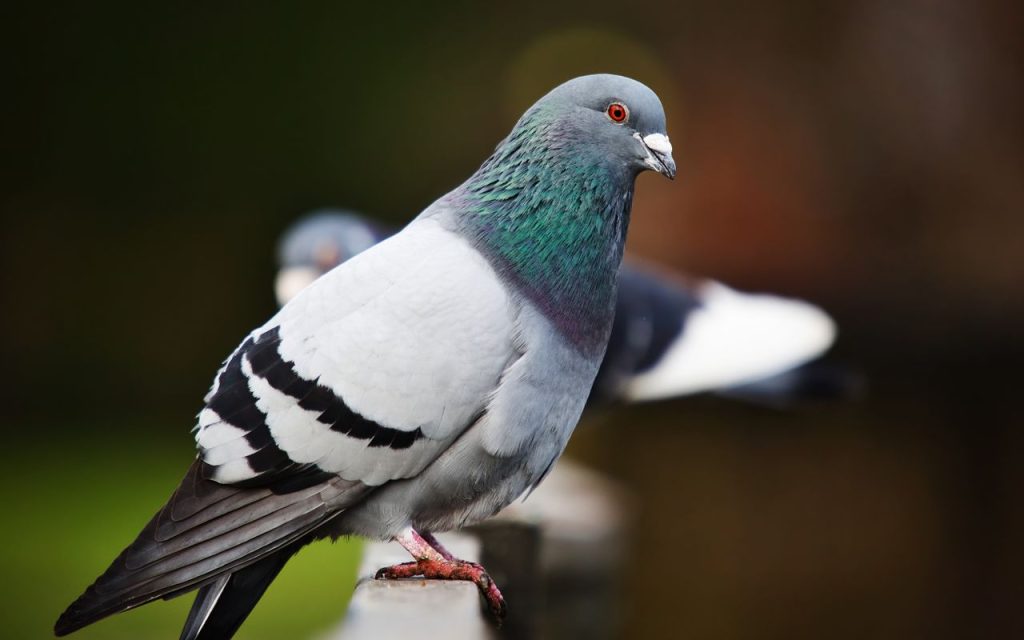
Pigeon farming is a livestock business that offers opportunities for Nigerian entrepreneurs, small-scale farmers and poultry enthusiasts. Although pigeons are commonly kept as pets, for traditional purposes and for recreation, they can also be raised commercially for meat, breeding stock and the sale of young birds.
Compared with some other poultry enterprises, pigeon farming can begin with a relatively small flock and limited space. Pigeons also have a distinctive breeding advantage: both parents participate in incubating eggs and feeding their young. However, successful production still requires suitable housing, balanced nutrition, good breeding stock and a reliable market.
The commercial opportunity depends largely on location and customer demand. Before investing, farmers should determine whether buyers in their area want live pigeons, breeding pairs, young birds or pigeon meat. A small flock that serves an established market may be more sustainable than a large flock producing birds without confirmed buyers.
Understanding Pigeon Farming
Pigeon farming involves raising domesticated pigeons under managed conditions for breeding, meat production or sale. The business can operate from a backyard, a dedicated loft or a larger poultry facility adapted for pigeons.
Farmers may choose different breeds depending on their objectives. Meat-oriented breeds are selected for body size and growth, while ornamental and fancy breeds may attract buyers interested in appearance, colour or distinctive physical characteristics. Racing pigeons serve a different market, where breeding quality, training and performance can influence value.
Beginners should choose their production objective before buying birds. A farmer targeting meat production should focus on suitable meat-type pigeons and customers willing to buy young birds. Someone selling breeding stock needs healthy birds with desirable characteristics and reliable breeding performance.
It is also important to distinguish commercial pigeon farming from simply keeping free-flying pigeons around a building. A managed farm requires controlled breeding, appropriate feeding, health monitoring and records of production and sales.
Housing and Equipment Requirements
Pigeons need a secure, dry, well-ventilated shelter that protects them from rain, extreme heat, predators and theft. The structure should provide enough room for resting, feeding, movement and nesting without overcrowding.
A pigeon loft can be constructed from suitable timber, blocks, metal roofing and wire mesh, depending on the local climate and available budget. Good ventilation is essential, but openings should not expose birds to excessive draughts or allow predators to enter.
Breeding pigeons need nest boxes or suitable nesting containers lined with clean, dry nesting material. Providing two nesting spaces per breeding pair can be useful because the female may begin another clutch while the male continues caring for the earlier young. Each pair should have sufficient space to reduce competition and territorial fighting.
Essential equipment includes feeders, drinkers, nest boxes, cleaning tools and secure feed storage. Farmers should also provide suitable perches and areas where birds can rest comfortably.
In Nigeria’s hot climate, roofing and ventilation deserve particular attention. Excessive heat, damp conditions and poor air quality can affect the health and productivity of the flock. The loft should be cleaned regularly, with droppings removed and nesting areas inspected for parasites.
The National Agricultural Extension and Research Liaison Services provides practical information on pigeon housing and management.
Feeding and Nutrition
Feeding is an important part of pigeon farming, even when birds have access to outdoor areas. A reliable feeding programme helps maintain body condition, supports reproduction and improves the survival of young birds.
Pigeons commonly consume grains and seeds such as maize, sorghum, wheat and other suitable cereal grains. Depending on the ration, legumes and formulated pigeon feeds can provide additional nutrients. Farmers should not rely on one grain alone, because no single ingredient necessarily provides every nutrient required for healthy breeding and growth.
A balanced diet should provide adequate energy, protein, minerals and vitamins. Breeding birds require particularly good nutrition during egg production and the period when they are feeding their young. Calcium and other minerals are important for eggshell formation, while suitable grit can help pigeons process feed.
Clean water must always be available. Feed should be stored in dry conditions and checked for mould, insects and contamination before use. Spoiled grain can create serious health problems.
Pigeons raised in confinement may need a more carefully managed ration than birds that forage outdoors. Even when birds scavenge, farmers should monitor their condition and avoid assuming that naturally available food meets all their nutritional needs.
Feed costs should be recorded alongside breeding performance and sales. This allows the farmer to determine whether the flock is generating enough revenue to justify the resources being used.
Breeding and Production Cycle
Pigeons are generally socially monogamous and often form long-term pairs. For breeding purposes, farmers should select healthy, mature birds with desirable characteristics and avoid repeatedly mating closely related birds, which can increase the risk of poor vitality and other inherited problems.
Females commonly begin laying at around five to six months of age, although maturity varies with breed, nutrition and management. A typical clutch contains two eggs, and incubation lasts approximately 17–19 days.
Both parents participate in incubation. After hatching, the young pigeons, known as squabs, receive a nutrient-rich secretion called crop milk from their parents. Both male and female pigeons help feed the young, making parental care central to the production process.
Squabs generally leave the nest at around four weeks of age, although development varies. Young birds intended for meat production may be marketed at an appropriate age and weight, depending on customer preferences and the farm’s production system.
Breeding should be managed carefully rather than pushing birds to reproduce continuously. Farmers need to monitor the condition of breeding pairs, provide suitable nutrition and allow birds adequate recovery when necessary.
The National Agricultural Extension and Research Liaison Services’ pigeon breeding guidance provides additional information on pairing, egg production and incubation.
Health Management and Biosecurity
Good health management helps protect the flock and reduce avoidable financial losses. Pigeons can be affected by parasites, respiratory illnesses and other infectious conditions, particularly when housing is overcrowded, damp or poorly maintained.
Farmers should obtain breeding stock from reliable sources and examine new birds before introducing them to an existing flock. Where possible, newly acquired birds should be kept separately for an appropriate observation period.
Clean water and feed containers regularly, remove droppings, replace contaminated nesting material and control rodents. Limit unnecessary visitors and keep equipment clean. Sick birds should be isolated where appropriate, and unexplained deaths or recurring illness should be investigated with a veterinary professional.
Farmers should also keep records of breeding pairs, eggs laid, hatch rates, chick survival, illnesses and deaths. These records help identify poor-performing pairs and recurring management problems.
Preventing disease is generally more economical than repeatedly treating problems after they occur. A clean loft, appropriate nutrition and careful selection of breeding stock are therefore essential parts of the business.
How Much Does It Cost to Start Pigeon Farming in Nigeria?
The cost of starting a pigeon farm depends on the number of birds, breed, housing arrangement, equipment and whether the farmer is starting from scratch or adapting an existing structure.
A small backyard operation may require fewer resources than a commercial breeding unit. However, purchasing expensive birds before understanding the market can expose a beginner to unnecessary risk. High-value ornamental or racing pigeons may command prices different from ordinary breeding or meat birds, so their economics should not be confused.
A startup budget should include:
- Purchase of healthy breeding pairs or young birds.
- Construction or modification of the pigeon loft.
- Nest boxes, perches, feeders and drinkers.
- Initial feed supplies and ongoing feeding costs.
- Veterinary care and basic biosecurity materials.
- Water, electricity and routine maintenance.
- Transportation and marketing.
- Working capital for unexpected expenses and periods when sales are limited.
Before purchasing birds, obtain quotations from several breeders and suppliers. Confirm the breed, age, health condition and breeding history of the birds being offered. Prices can vary considerably depending on quality, location and demand.
It is also wise to begin with a manageable number of breeding pairs. Once the farmer understands the production cycle, mortality risks and customer demand, the operation can be expanded gradually.
Is Pigeon Farming Profitable in Nigeria?
Pigeon farming can generate income, but profitability is not guaranteed. The business depends on the number of healthy young birds produced, the time required to raise them, feed and housing expenses, mortality and the price customers are willing to pay.
A study on pigeon production in southwestern Nigeria identified housing, feeding and sales difficulties among the challenges faced by producers. Its findings highlight an important commercial lesson: the ability to raise birds is only one part of the business; farmers must also manage production costs and secure buyers.
Source: Management and Challenges of Pigeon Production in South-West Nigeria.
Consider a hypothetical farm with 20 breeding pairs. If the pairs collectively produce 20 marketable young birds in a month and the farmer sells each bird for an assumed ₦5,000, monthly gross revenue would be ₦100,000.
This is only an illustrative example, not a prediction of actual output or a current market-price quotation. Pigeon production is not perfectly consistent from month to month, and not every egg will hatch or every young bird survive. Revenue may also be irregular because the timing of breeding, hatching and sales varies.
To calculate profit, the farmer must deduct feed, housing maintenance, veterinary expenses, replacement birds, transport, labour and other operating costs. Initial construction costs and equipment must also be considered when assessing the longer-term return on investment.
A farm may sell birds at a high unit price but still perform poorly if production is slow or expenses are excessive. For this reason, farmers should evaluate profitability per breeding pair and per production cycle rather than relying on selling prices alone.
Marketing Pigeons in Nigeria
Marketing should begin before the farm expands. Potential customers may include pigeon breeders, bird enthusiasts, livestock traders, households, restaurants and buyers interested in pigeon meat. Demand varies by location, cultural practices and customer preferences.
Farmers selling breeding stock need to demonstrate the health, age and characteristics of their birds. Keeping breeding records can help build trust with customers who want productive pairs rather than birds of uncertain origin.
Meat production requires a different marketing strategy. Farmers should identify buyers who regularly purchase squabs or adult birds and confirm the sizes, quantities and delivery arrangements they prefer. Where birds are processed for food, the farmer must follow applicable food-safety and local regulatory requirements.
Online channels, social media and farming communities may help farmers reach buyers beyond their immediate neighbourhood. However, enquiries should not be mistaken for confirmed demand. Before expanding, assess how many birds customers actually purchase and whether they return for repeat orders.
The most sustainable approach is to build a customer base, maintain consistent quality and keep clear records of orders, sales and expenses.
Major Challenges in Pigeon Farming
The major challenges include the cost of suitable housing, feed management, disease prevention, inconsistent breeding results and difficulty finding reliable buyers. Some farmers may also struggle to obtain quality breeding stock or distinguish productive birds from those that are expensive but unsuitable for their business objectives.
Pigeons generally reproduce more slowly than some fast-growing poultry enterprises, so farmers should not expect the same production cycle or cash-flow pattern as commercial broiler farming. Income may be delayed while breeding pairs establish themselves and produce marketable young birds.
These challenges can be managed by starting small, selecting birds suited to the intended market, maintaining good housing and tracking costs from the beginning. Farmers should expand only when breeding performance and sales records show that additional investment is justified.
Frequently Asked Questions About Pigeon Farming
How long does it take pigeons to reproduce?
Female pigeons may begin laying at around five to six months of age, depending on breed, nutrition and management. A typical clutch contains two eggs, which generally hatch after approximately 17–19 days.
How many eggs do pigeons lay at a time?
A typical clutch contains two eggs. Actual laying frequency varies according to the bird’s condition, breed, management and breeding cycle.
Can pigeons be raised in a backyard?
Yes. A small flock can be raised in a suitable backyard loft, provided the birds have adequate space, ventilation, clean water, proper feed and protection from predators. Waste, noise, neighbours and applicable local requirements should also be considered.
Can pigeon farming be started with little capital?
A small operation may be started with limited capital if suitable housing is already available. Nevertheless, the farmer should budget for healthy birds, feed, nest boxes, sanitation and veterinary care rather than spending the entire budget on purchasing pigeons.
Is pigeon farming more profitable than chicken farming?
Not necessarily. Chickens benefit from a more established commercial meat and egg market, while pigeons may appeal to more specialised customer groups. The better option depends on local demand, production costs, turnover and the farmer’s expertise.
Commodity.ng Insight: Measure the Business, Not Just the Birds
Pigeon farming highlights the importance of combining livestock management with reliable market information. Knowing how many birds are in a loft is not enough; farmers also need to understand breeding performance, production costs, selling prices and the strength of customer demand.
Commodity.ng focuses on agricultural market intelligence and price discovery to help participants make more informed business decisions. For pigeon farmers, the same principle means tracking the cost of each breeding pair, eggs laid, hatch rates, young birds surviving to sale, feed expenses and revenue per customer.
These figures help farmers identify productive breeding pairs, compare marketing channels and determine whether expanding the flock is financially sensible. They can also reveal when housing or feed expenses are rising faster than revenue.
The long-term opportunity lies in building a well-managed business with healthy birds, dependable customers and clear financial records. By combining good husbandry with market awareness, Nigerian farmers can assess pigeon farming realistically and make better decisions about growth.
Discover more from Commodity Nigeria
Subscribe to get the latest posts sent to your email.