Quail Farming in Nigeria: A Practical Guide to Breeding, Egg Production, Cost, Profit and Market
Quail farming is an emerging livestock business in Nigeria that offers opportunities for entrepreneurs, small-scale farmers and poultry investors. Although quails are smaller than chickens, they can begin laying eggs at around six to seven weeks of age under good management. Their relatively small housing requirements make them attractive to farmers with limited space, while their eggs and meat provide opportunities to serve households, restaurants, retailers and specialist food markets.
However, quail farming is not automatically profitable simply because the birds mature quickly. Feed costs, mortality, egg production, customer demand and access to reliable markets all influence the performance of the business. Anyone considering this venture should understand both the production process and the commercial realities before investing.
Understanding Quail Farming
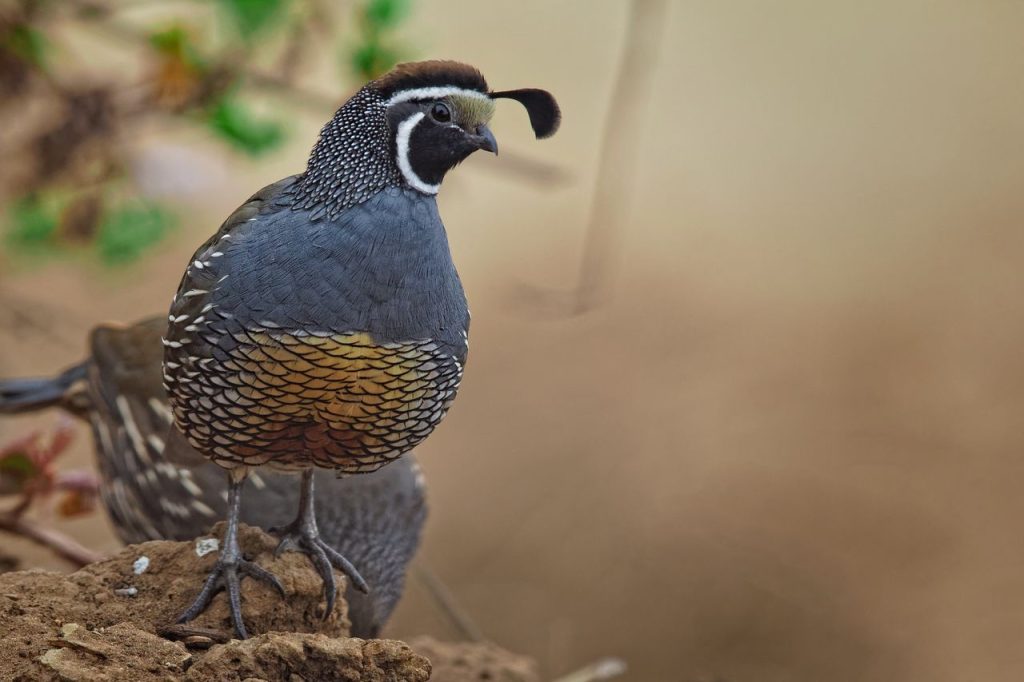
Quails are small poultry birds raised primarily for egg and meat production. Japanese quail (Coturnix japonica) is widely used for commercial production because of its early maturity and egg-laying potential.
In Nigeria, quail farming can be operated on a small scale from a suitable backyard space or developed into a larger commercial enterprise. Farmers can specialise in table eggs, meat production, breeding stock, fertile eggs or day-old chicks. Each option has different capital requirements, technical demands and market opportunities.
For beginners, egg production may be a practical starting point because it can provide a recurring product to sell. However, demand should be established before the farmer invests heavily in birds and equipment.
Housing and Equipment Requirements
Quails do not require the same amount of space as larger poultry, but their housing must be carefully designed. A suitable poultry shed or well-ventilated room can be adapted for quail production, provided it protects the birds from rain, excessive heat, predators and unauthorised access.
Farmers may use cages or a deep-litter system. Cages can make egg collection and waste management easier when properly designed, while deep litter requires suitable bedding, drainage and regular cleaning. The best option depends on the available space, budget, production scale and the farmer’s ability to maintain hygiene.
The housing should prevent overcrowding, provide easy access to clean water and feed, and allow the birds to behave without excessive stress. In Nigeria’s hot climate, ventilation and shade are especially important. Poor ventilation and heat stress can reduce feed intake, egg production and overall performance.
Essential equipment includes feeders, drinkers, suitable lighting, brooding equipment for chicks, cleaning materials and secure storage for feed. Farmers planning to hatch their own chicks will also need an incubator and a reliable way to monitor temperature and humidity.
Feeding and Nutrition
Feed is one of the most important expenses in quail farming. Although quails consume relatively small quantities compared with larger poultry, they require a balanced diet to grow properly, produce eggs and maintain good health.
Young chicks need a suitable high-protein starter feed, while growing birds and laying quails require diets formulated for their particular stage of development. Laying birds also need adequate calcium to support eggshell formation. The exact nutritional requirements depend on the birds’ age, production purpose and the formulation of the feed.
Maize, soybean meal, groundnut cake and other ingredients may form part of poultry feed formulations, but farmers should not combine ingredients randomly or assume that ordinary chicken feed will always meet quails’ requirements. A poultry nutritionist or livestock extension officer can help develop a suitable ration using locally available ingredients.
Clean water must be available at all times. Feed should be stored in a dry, secure place and protected from moisture, rodents and mould. Mouldy feed can expose birds to harmful toxins and cause serious production problems.
The National Agricultural Extension and Research Liaison Services’ livestock information portal provides guidance on quail feeding and management. Farmers can consult its quail production resources when planning their operations.
Breeding and Egg Production
One of quail farming’s main advantages is its early maturity. Under suitable management, female quails may begin laying at approximately six to seven weeks of age. Actual performance varies with genetics, nutrition, lighting, housing and general health.
A farmer buying birds for egg production should confirm their age, health status and whether they are suitable laying stock. It is also important to distinguish between birds raised for table eggs and birds maintained for breeding. Fertile eggs require access to males, whereas farms producing eggs for consumption generally do not need males in the laying flock.
For breeding, a commonly used starting point is approximately one male to three or four females, with adjustments based on fertility results and the breeder’s management system. Too many males can increase fighting and stress.
Farmers intending to hatch their own chicks need an incubator and must manage temperature, humidity, egg turning and hygiene carefully. Quail eggs typically hatch after about 16–18 days under appropriate incubation conditions. Not every fertile egg will hatch, so records of fertility, hatchability and chick survival are essential.
New farmers may find it easier to begin with healthy, well-managed young birds from a reputable supplier rather than immediately investing in breeding and incubation equipment. Once production becomes stable, they can assess whether producing their own replacement stock makes financial sense.
Health Management and Biosecurity
Although quails are small, they still require proper veterinary care. Poor sanitation, contaminated water, overcrowding, unsuitable feed and inadequate ventilation can contribute to disease and mortality.
Farmers should clean feeders and drinkers regularly, remove wet litter, control rodents and restrict unnecessary visitors. Newly purchased birds should be kept separate from the existing flock while their health is assessed. Sick or dead birds should be handled promptly and safely, and unexplained mortality should be investigated with the assistance of a veterinary professional.
Vaccination and disease-prevention programmes should be based on local disease risks and professional advice. Farmers should not assume that every vaccination schedule designed for chickens applies directly to quails.
Maintaining records of deaths, feed consumption, egg production and veterinary expenses helps identify problems before they become more costly.
How Much Does It Cost to Start Quail Farming in Nigeria?
The cost of starting a quail farm depends on the number and age of birds, housing arrangements, equipment, feed prices and whether the farmer intends to produce eggs, meat or breeding stock.
A small operation using an existing, suitable structure may require less initial investment than a commercial farm that must construct housing, purchase cages, install lighting and acquire an incubator. However, a low-cost setup is not necessarily economical if it leads to poor hygiene, high mortality or low egg production.
Before starting, prepare a budget covering:
- Purchase of birds and transportation.
- Housing, cages and necessary modifications.
- Feed and clean-water equipment.
- Lighting and electricity.
- Brooding and incubation equipment, if required.
- Veterinary care, cleaning materials and biosecurity.
- Packaging, transportation and marketing.
- Working capital to cover operating expenses before sales become dependable.
Feed deserves particular attention because it is a recurring expense. Farmers should calculate how much feed their flock consumes and compare this cost with expected revenue from eggs or meat.
Rather than relying on a generic startup figure, obtain current quotations from several local suppliers. Prices may differ considerably across states and change with feed costs, transportation and exchange-rate movements.
Is Quail Farming Profitable in Nigeria?
Quail farming can be profitable, but results depend on the relationship between production costs and actual selling prices. A farm may produce many eggs and still make little profit if feed is expensive, eggs remain unsold or the flock experiences high mortality.
A 2019 study of quail egg production in southwestern Nigeria reported favourable profitability indicators among the farmers surveyed, while identifying high feed costs, marketing difficulties and poor-quality chicks or high mortality as important constraints. A more recent Nigerian study published in 2025 also reported differences in profitability between small-scale and larger producers. These findings suggest that production scale, cost management and access to markets matter; they do not guarantee similar returns for every farm.
Sources: Profitability and Constraints of Quail Egg Production in Southwestern Nigeria and Towards Sustainable Quail Egg Production in Nigeria.
Consider a hypothetical farm with 500 laying females. If 75% of the birds lay an egg on an average day, the farm would produce approximately 375 eggs daily. If the farmer sells 350 eggs per day at an assumed price of ₦50 per egg, daily revenue would be ₦17,500.
At that illustrative rate, revenue over 30 days would be ₦525,000. This is gross revenue, not profit. The farmer must deduct feed, labour, packaging, transportation, veterinary expenses, mortality losses, equipment costs and other operating expenses. The assumed selling price is only an example, not a statement of the current Nigerian market price.
The example also demonstrates why farmers must verify demand and selling prices before investing. A farm that produces more eggs than it can sell may experience losses even when its birds are healthy.
Marketing Quail Eggs and Meat
Marketing should begin before the first commercial eggs are produced. Farmers should identify likely buyers, understand their preferred packaging and delivery arrangements, and establish realistic prices.
Potential customers include households, food retailers, supermarkets, restaurants, hotels, specialist food outlets and other businesses that already sell or serve quail products. Depending on local demand and regulations, farmers may also explore supplying dressed quail meat, fertile eggs, chicks or breeding birds.
Quail eggs are smaller than chicken eggs, so presentation and packaging can influence how customers perceive the product. Clean, intact eggs should be handled carefully, stored appropriately and packaged to reduce breakage. Farmers should communicate clearly with buyers about quantities, delivery schedules and prices.
Marketing claims about health benefits should be responsible and supported by reliable evidence. Quail eggs can form part of a varied diet, but farmers should not promise that they cure diseases or replace medical treatment.
The most sustainable strategy is to develop repeat customers rather than depend entirely on occasional buyers. Restaurants, retailers and regular household customers may provide a more predictable sales base when their needs are understood and consistently met.
Major Challenges in Quail Farming
The main challenges include high feed costs, uncertain demand, inconsistent quality of breeding stock, chick mortality, inadequate technical knowledge and limited access to finance. Some farmers also struggle to find buyers who understand quail products or are willing to purchase them regularly.
These challenges can be reduced through careful planning. Start at a scale that matches your capital and confirmed market demand, source birds from reliable suppliers, maintain sound husbandry practices and record every major expense. Expand only when production and sales records show that the business can support growth.
Farmers should also compare the economics of egg production, meat production and breeding stock before selecting a business model. The option with the highest selling price is not always the most profitable once production costs and market risks are considered.
Frequently Asked Questions About Quail Farming
How long does it take quails to start laying eggs?
Under suitable conditions, female Japanese quails may begin laying at around six to seven weeks of age. Poor nutrition, heat stress, inadequate lighting and health problems can delay or reduce production.
How many eggs can a quail lay?
Well-managed laying quails can produce many eggs over a year, with some production guides citing approximately 250–300 eggs annually under suitable conditions. Actual output varies, so farmers should use measured flock performance rather than assume every bird will achieve the highest reported figure.
Can quail farming be done at home?
Yes. A small flock can be raised in a suitable, secure and well-ventilated space, provided the farmer maintains hygiene, controls odour and waste, and checks applicable local requirements. Neighbours, housing conditions and the ability to find customers should also be considered.
Do farmers need male quails for egg production?
No. Females can lay eggs without males. Males are needed when the objective is to produce fertile eggs for hatching.
Is quail farming better than chicken farming?
Neither is automatically better. Quails mature quickly and need less space per bird, but the market for quail eggs and meat may be smaller or less established in some locations. Chicken farming benefits from a more familiar market but also has its own costs and management challenges. Farmers should compare local demand, production expenses and expected returns before deciding.
Commodity.ng Insight: Use Market Intelligence Before Expanding
Quail farming demonstrates why agricultural profitability depends on more than production alone. A farmer needs to know the cost of feed, the number of eggs produced, the proportion sold, the price received and the expenses required to reach customers.
Commodity.ng promotes better agricultural decision-making through market information and commodity price discovery. The same principle applies to emerging livestock enterprises: reliable information helps farmers assess costs, negotiate with buyers, identify promising markets and decide when expansion is justified.
For quail farmers, the most useful records include daily egg production, feed consumption, mortality, packaging expenses, selling prices, unsold quantities and revenue per customer. Reviewing these figures every week can reveal whether the farm is improving or losing money.
The opportunity is not simply to produce more quail eggs. It is to produce efficiently, understand demand and build a dependable route to market. Farmers who combine good husbandry with sound financial records and market intelligence are better positioned to turn quail farming into a sustainable business.
Discover more from Commodity Nigeria
Subscribe to get the latest posts sent to your email.