How to Start Grasscutter Farming in Nigeria: A Practical Guide to Breeding, Housing, Feeding, Cost, Profit and Market
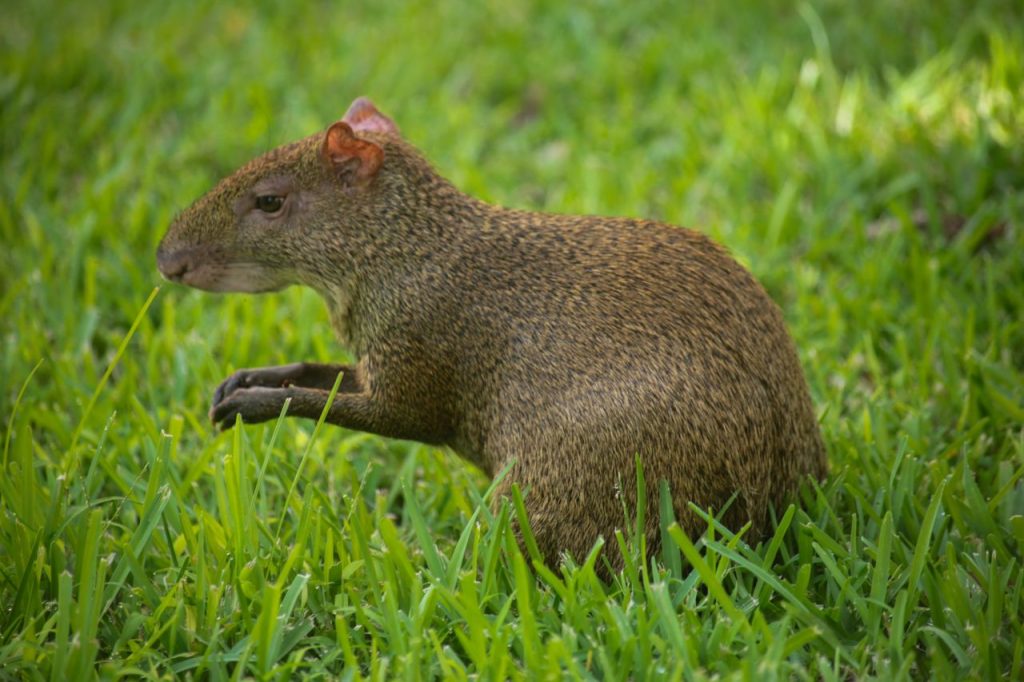
Grasscutter farming is a livestock enterprise with commercial potential in Nigeria, particularly for farmers interested in producing alternative sources of animal protein. Grasscutters, also known as cane rats, are large rodents native to Africa and are valued for their meat across parts of West and Central Africa.
Unlike poultry, which depends heavily on formulated feed, grasscutters can consume grasses and other suitable plant materials, supplemented with balanced feed where necessary. This can create opportunities for farmers who have reliable access to forage and can manage the animals properly.
Despite its potential, grasscutter farming remains less developed than poultry, fish and some conventional livestock enterprises. Research in Nigeria identifies high housing costs, access to finance, feeding, technical knowledge and unstable market prices among the factors affecting profitability. For entrepreneurs willing to learn the husbandry requirements and establish reliable buyers, the sector offers opportunities in breeding, meat production and the supply of breeding stock. (Journal of Community & Communication Research)
Choosing Healthy Grasscutters for Farming
The greater cane rat, scientifically known as Thryonomys swinderianus, is the species commonly raised for commercial grasscutter production in Nigeria.
When starting a farm, the quality of the breeding stock is extremely important. Healthy animals are more likely to adapt to captivity, reproduce successfully and produce offspring that survive under good management.
Buy animals from experienced breeders who can provide information about their age, health and breeding history. Avoid selecting animals solely because they are large or inexpensive.
Before purchasing, examine the animals for signs of injury, abnormal breathing, unusual behaviour or poor body condition. Where possible, seek assistance from an experienced grasscutter farmer or livestock professional who can help assess the stock.
Wild-caught animals may be available in some locations, but they can be difficult to adapt to captivity and may introduce health risks. Farm-bred animals from a reputable source are generally preferable for building a predictable commercial operation.
Setting Up Grasscutter Housing
Grasscutters need secure housing that protects them from predators, theft, excessive heat, rain and unnecessary disturbance. A well-designed housing system also makes feeding, breeding, cleaning and inspection easier.
Commercial farmers commonly use concrete pens, secure enclosures or appropriately constructed cages. Grasscutters are strong animals that can gnaw and damage unsuitable materials, so housing must be durable and safe.
A good grasscutter unit should provide:
- Adequate space for movement and resting
- Good ventilation and protection from direct sunlight
- A dry, sheltered area for resting and giving birth
- Secure walls and doors
- Separate spaces where animals need to be isolated
- Suitable feeding and watering points
- Easy access for cleaning and inspection
Grasscutters can be territorial, particularly adult males. Housing arrangements should prevent fighting and injuries. Breeding animals, pregnant females, young animals and animals being fattened may require separate pens depending on the production system.
The size and layout of the housing should be based on the animals’ size, number and management needs. Avoid overcrowding or placing unfamiliar animals together without appropriate supervision.
For practical guidance on grasscutter housing and management, see Agriculture Nigeria’s grasscutter production guide.
Feeding Grasscutters
Feed management is one of the most important factors determining the cost and productivity of a grasscutter farm.
Grasscutters are herbivores and can consume grasses, leaves and other suitable plant materials. Commonly used forage includes elephant grass and guinea grass. Depending on availability and suitability, farmers may also use sugarcane and selected agricultural by-products.
However, access to forage does not automatically guarantee adequate nutrition. Research conducted at the Forestry Research Institute of Nigeria found that elephant grass alone may not provide sufficient nutrition for optimal performance, highlighting the importance of suitable supplementary feeding. (Journal of Agriculture, Forestry and the Social Sciences)
A feeding programme should therefore consider the age, size, reproductive status and production objective of the animals.
Growing animals need adequate nutrition to support weight gain, while breeding females require suitable nutrition for pregnancy and raising their young. A balanced supplement may be necessary where forage alone does not meet their nutritional needs.
Feed should be clean and free from mould, pesticides and other contaminants. Introduce new feed gradually, and provide clean drinking water consistently.
Farmers should also plan forage production rather than depend entirely on collecting grass from the surrounding environment. Growing suitable forage near the farm can improve feed availability and reduce the uncertainty associated with seasonal shortages.
Grasscutter Breeding and Reproduction
Breeding is one of the main ways a grasscutter farm can expand its stock and generate income from selling young animals.
Grasscutters have a gestation period of approximately five months, although the exact duration varies. The longer reproductive cycle means farmers must plan carefully for housing, feed and cash flow.
A commonly used breeding arrangement involves one male with several females, but the appropriate ratio depends on the animals, their compatibility and the management system. Breeding animals should be selected for good health and reproductive performance.
Provide pregnant females with quiet, secure housing and suitable nutrition. Minimise unnecessary handling and disturbance, particularly around the time of birth.
Young grasscutters need a safe environment, access to appropriate nutrition and regular monitoring. Farmers should keep records of mating dates, births, litter size, young animals surviving, growth and sales.
Do not expand breeding numbers without ensuring that the farm has enough housing, feed and working capital to support the additional animals.
Grasscutter Health and Biosecurity
Good health management protects both the animals and the farmer’s investment.
Housing should be cleaned regularly, feed should be stored safely, and drinking water should be kept clean. New animals should be managed carefully before being introduced to an established breeding group.
Farmers should also avoid unnecessary contact with wild rodents and other animals that could introduce diseases or parasites.
Watch for changes in appetite, unusual droppings, injuries, weakness, breathing difficulties and unexpected deaths. If these signs occur, seek advice from a qualified veterinarian or an experienced livestock health professional.
Grasscutters are not maintenance-free simply because they are sometimes described as hardy animals. Poor housing, inadequate nutrition, stress, overcrowding and unsuitable handling can all contribute to poor performance and mortality.
How Much Does It Cost to Start Grasscutter Farming in Nigeria?
The cost depends on the number of animals, the quality of the breeding stock, housing materials, feed availability and whether the farmer is starting a breeding operation or raising animals for meat.
Major startup and operating expenses include:
- Purchase of breeding animals
- Construction of pens or cages
- Feeders and water containers
- Forage establishment or sourcing
- Supplementary feed
- Veterinary care
- Cleaning equipment
- Labour
- Transport
- Security
- Record keeping and marketing
- Contingency funds
A small farm can start with a limited breeding group and expand gradually. However, the farmer should budget for the entire period before offspring or mature animals are sold.
Housing is an important consideration because poorly constructed pens may need repairs or replacement. Similarly, low-cost forage can help reduce feeding expenses, but it should not be assumed that all feed requirements will be met without cost.
Before investing, obtain current quotations from reputable breeders and local suppliers. The cost of breeding stock and housing can vary considerably across Nigeria, so a single startup estimate may be misleading.
Is Grasscutter Farming Profitable in Nigeria?
Grasscutter farming can be profitable when breeding performance is satisfactory, feed costs are controlled and there is a reliable market for mature animals or breeding stock.
A study of grasscutter farmers in southeastern Nigeria reported an average annual net return of approximately ₦138,041 per enterprise among the households studied. The study also identified feed, labour, credit and the selling price of mature grasscutters as important factors influencing business performance. These figures are historical research findings, not current earnings estimates or a guarantee of profitability. (Michael Okpara University of Agriculture, Umudike repository)
A simple profitability formula is:
Profit = Total Revenue − Total Production and Marketing Costs
For example, if a farm generates ₦1,500,000 in sales during a defined production period and incurs ₦1,000,000 in total production and marketing costs, the illustrative profit is ₦500,000.
This is a hypothetical example, not a current market quotation or a guaranteed return. Actual performance depends on breeding success, animal survival, feed costs, labour, the time required to raise animals and the prices buyers are willing to pay.
Farmers should also distinguish between revenue from selling breeding animals and revenue from selling animals for meat. Breeding stock may command different prices, but producing and maintaining it requires careful selection and additional management.
Finding a Market for Grasscutters
Market research should take place before the farmer commits substantial capital to breeding stock and housing.
Potential customers include:
- Restaurants that serve grasscutter meat
- Hotels and catering businesses
- Bush-meat retailers
- Individual consumers
- Livestock traders
- Other grasscutter farmers
- Breeding-stock buyers
- Meat processors
The most suitable market depends on the farm’s location and production capacity. Farmers should speak directly with potential buyers to determine the preferred animal size, expected quantity, purchasing frequency and price.
Some customers may prefer live animals, while others may require processed meat. Processing can create additional value, but it introduces requirements for hygienic handling, appropriate storage and compliance with applicable food-safety regulations.
Reliable buyers can help farmers plan production and reduce the risk of keeping mature animals longer than intended.
Additional Business Opportunities
Grasscutter farming can generate income through several connected activities.
Breeding stock: Farmers with strong reproductive performance and healthy animals may sell breeding pairs or groups to new entrants.
Young animals: The sale of young grasscutters can provide an additional revenue stream, provided the farm has sufficient breeding capacity and manages offspring appropriately.
Meat production: Raising animals for meat requires a clear target market, appropriate production planning and careful management of feed and housing costs.
Forage production: Farmers may establish grass plots or supply suitable forage to other livestock producers, creating a related agricultural enterprise.
Aggregation and distribution: Entrepreneurs who understand the market may connect grasscutter farmers with restaurants, retailers and other buyers. This model requires reliable sourcing, transport and quality control.
These opportunities can help create a more organised value chain rather than relying only on the sale of individual mature animals.
Major Challenges Facing Grasscutter Farmers in Nigeria
Despite its potential, grasscutter farming has several constraints.
Research in Osun State identified unstable market prices, high housing costs and limited access to finance among the major challenges reported by farmers. Other research across West Africa has highlighted shortages of breeding stock, inadequate training, feed-management problems, disease risks and weak marketing arrangements. (Nigeria Agricultural Journal; Journal of Experimental Agriculture International)
Other challenges include:
- High initial housing costs
- Limited access to quality breeding animals
- Slow capital recovery due to the reproductive cycle
- Inadequate knowledge of breeding and animal handling
- Seasonal shortages of suitable forage
- Disease and mortality
- Uncertain selling prices
- Theft and predator attacks
- Limited access to finance
- Poor links between producers and bulk buyers
These constraints mean that grasscutter farming should not be treated as a guaranteed quick-profit business. Farmers need adequate working capital, reliable management and realistic production targets.
How to Make Grasscutter Farming More Commercial
Commercial grasscutter farming requires records and measurable performance targets.
Farmers should track:
- Number of breeding males and females
- Mating and birth dates
- Number of young born and surviving
- Feed costs
- Growth and age at sale
- Veterinary and medication expenses
- Housing and maintenance costs
- Labour costs
- Selling prices
- Total revenue
- Profit per production cycle
These records help identify whether the main challenge is poor reproduction, high mortality, expensive feeding or weak market access.
It is also important to plan for the long production cycle. Unlike enterprises that generate revenue soon after stocking, grasscutter farming may require a longer wait before a breeding group produces saleable offspring.
Farmers should expand only when their records show that the existing operation is productive and that the market can absorb additional animals at profitable prices.
Frequently Asked Questions
Is grasscutter farming suitable for beginners?
Yes. Beginners can start on a small scale, but they should obtain practical training and learn housing, feeding, breeding and health management before expanding.
What do grasscutters eat?
They mainly consume grasses and other suitable plant materials. Depending on their nutritional requirements and available forage, supplementary feed may also be needed.
How long is a grasscutter’s pregnancy?
Gestation is approximately five months. Farmers should plan housing, feeding and cash flow around this relatively long reproductive period.
Can grasscutters be raised in an urban area?
Yes, where local regulations, space, sanitation and neighbourhood conditions permit. Housing should be secure, well ventilated and designed to minimise odour and disturbance.
Is grasscutter farming more profitable than poultry farming?
Neither enterprise is automatically more profitable. Grasscutter farming has different capital requirements and a longer reproductive cycle, while poultry production has its own feed, disease and market risks. Farmers should compare realistic budgets and expected cash flow before choosing.
Can I start grasscutter farming in Abuja?
Potentially, provided you can source healthy breeding stock, obtain suitable forage and supplementary feed, build secure housing and establish buyers. Check local requirements and current prices before investing.
Commodity.ng Insight
Grasscutter farming demonstrates why agricultural profitability depends on both production and market information.
A farmer may have healthy breeding animals but still struggle financially if reproduction is slow, feed costs rise or mature animals cannot be sold at a profitable price. The enterprise therefore requires careful planning, reliable records and a clear understanding of market demand.
Commodity.ng’s focus on commodity prices, agricultural market intelligence and digital trading infrastructure is relevant to this challenge. Farmers, traders, processors and investors need information to compare costs, evaluate opportunities and make informed decisions.
For grasscutter farmers, the most important indicators include cost per breeding animal, offspring survival rate, feed cost per animal, time to market, selling price, housing cost and profit per production cycle.
The opportunity is not simply to increase the number of animals on the farm. It is to build a reliable operation that produces healthy grasscutters efficiently and connects them with buyers who offer sustainable returns.
With improved breeding management, better feeding practices, access to finance, stronger extension support and more organised marketing, grasscutter farming can contribute to Nigeria’s alternative livestock sector while creating income opportunities for farmers and other participants in the value chain.
Discover more from Commodity Nigeria
Subscribe to get the latest posts sent to your email.