
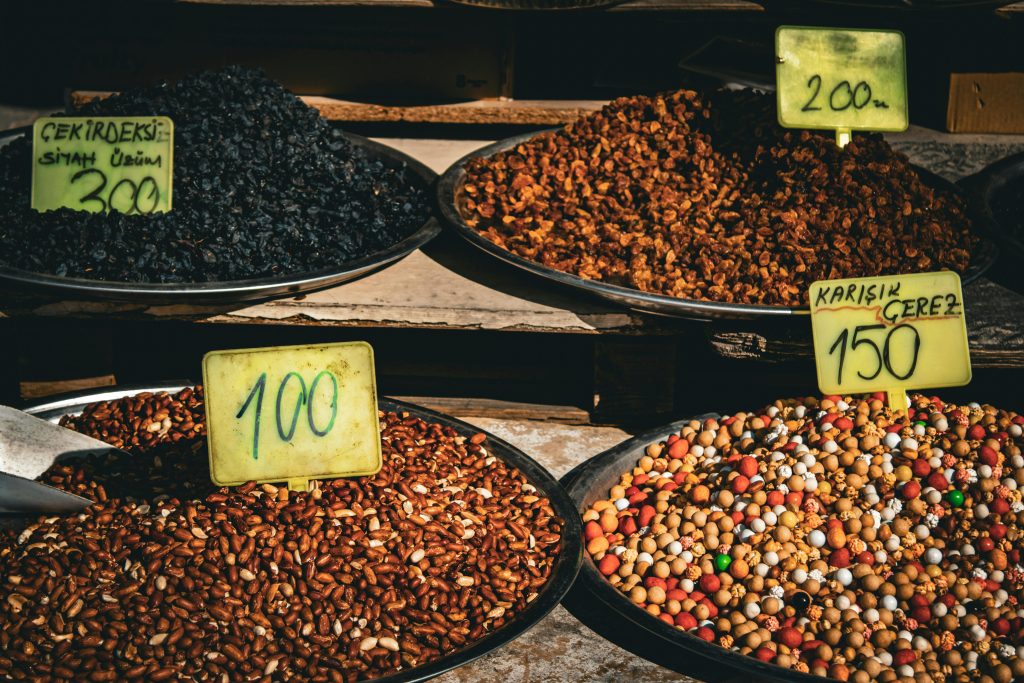
Food inflation has become one of the most pressing economic realities in Nigeria today. From rice and yam to maize, tomatoes, and beans, prices continue to climb across markets nationwide. For households, traders, and food processors, the question is no longer whether prices will rise, but why they keep rising and what can be done about it.
At the center of this unfolding challenge is the structure of Nigeria’s food system—production, storage, transportation, policy, and market intelligence all interacting in ways that consistently push prices upward.
This article breaks down the real drivers behind rising food prices and what it means for farmers, traders, and consumers.
1. High Cost of Agricultural Inputs
One of the most direct causes of rising food prices is the increasing cost of farm inputs.
Fertilizer, improved seedlings, pesticides, and animal feed have all become significantly more expensive in recent years. Most of these inputs are either imported or dependent on imported raw materials, meaning exchange rate fluctuations directly affect farm production costs.
When farmers spend more to produce food, those costs are inevitably passed down to consumers in the market.
2. Insecurity in Farming Regions
In several food-producing regions of Nigeria, insecurity has disrupted agricultural activities. Farmers in parts of the North and Middle Belt often face challenges such as:
- Reduced access to farmlands
- Displacement from rural communities
- Increased cost of farm labor due to safety concerns
- Abandonment of productive farmland
When farmers cannot safely cultivate or harvest, supply drops. And when supply drops while demand remains constant, prices rise sharply.
3. Poor Infrastructure and High Transportation Costs
Nigeria’s agricultural supply chain is heavily dependent on road transport. Unfortunately, many rural roads are in poor condition, increasing both travel time and logistics costs.
Key issues include:
- High fuel prices increasing transport costs
- Damaged rural roads delaying movement of goods
- Multiple checkpoints and informal levies
- Lack of efficient storage close to farms
A bag of maize or rice may leave a farm at a relatively low cost but arrive in an urban market significantly more expensive due to transportation inefficiencies alone.
4. Post-Harvest Losses and Weak Storage Systems
Nigeria loses a significant portion of its agricultural produce after harvest due to inadequate storage facilities.
Perishable crops such as tomatoes, vegetables, and fruits are especially affected. Without proper cold storage and processing systems, farmers are forced to sell quickly—often at low farmgate prices—while scarcity later drives up market prices.
This imbalance creates a cycle of waste and volatility:
- Harvest season: prices crash
- Off-season: prices spike
A more efficient storage system would stabilize supply and reduce extreme price swings.
5. Inflation and Currency Depreciation
Macroeconomic conditions play a huge role in food pricing. Nigeria’s inflation rate and currency depreciation directly affect:
- Cost of imported food items
- Cost of imported farm machinery
- Price of fertilizer and agro-chemicals
- Transportation fuel prices
Even locally produced food is not immune, because production itself depends on imported inputs. As the naira weakens, the entire agricultural value chain becomes more expensive.
6. Seasonal Farming Patterns
Most farming in Nigeria is still rain-fed rather than irrigation-based. This means production is highly seasonal.
During harvest periods, food is abundant and prices tend to drop. But during off-season months, scarcity leads to price spikes.
Without large-scale irrigation systems and year-round farming capacity, this seasonal cycle will continue to drive volatility in food prices.
7. Middlemen and Market Inefficiencies
The food supply chain in Nigeria often passes through multiple layers of intermediaries before reaching consumers.
While traders play a necessary role in distribution, inefficiencies such as:
- Multiple middlemen
- Lack of price transparency
- Weak farmer-to-buyer connections
- Poor access to market data
can inflate final market prices.
Farmers often earn less while consumers pay more—an imbalance that reflects structural inefficiency rather than pure demand and supply.
8. Weak Agricultural Data and Market Intelligence
One of the most overlooked drivers of food price instability is the lack of reliable real-time agricultural data.
When farmers and traders operate without accurate price signals, supply decisions become reactive rather than strategic. This leads to:
- Overproduction in some areas
- Shortages in others
- Panic pricing in markets
- Poor forecasting of demand cycles
Platforms like Commodity.ng exist to close this gap by improving access to transparent market prices and agricultural intelligence across Nigeria.
Better data leads to better decisions—and better decisions lead to more stable food systems.
9. Climate Change and Environmental Stress
Unpredictable weather patterns are increasingly affecting agricultural output in Nigeria.
Farmers are experiencing:
- Irregular rainfall patterns
- Longer dry seasons
- Flooding in some regions
- Reduced soil fertility over time
These environmental changes reduce yields and increase production risks, both of which contribute to higher food prices.
10. Rising Demand from Population Growth
Nigeria’s population continues to grow rapidly, increasing demand for staple foods. However, food production growth has not kept pace with population growth.
The result is a structural imbalance:
More mouths to feed, but not enough proportional increase in food supply.
This demand pressure consistently pushes prices upward, especially for essential commodities like rice, beans, and yam.
Conclusion: A Systemic Problem, Not a Single Cause
Rising food prices in Nigeria are not caused by one factor alone. They are the result of multiple interconnected challenges—ranging from production costs and insecurity to infrastructure gaps and weak market systems.
Addressing this issue requires a coordinated approach:
- Investment in irrigation and storage systems
- Improved rural infrastructure
- Stronger agricultural policy execution
- Better security in farming regions
- Adoption of digital market intelligence systems
Until these structural issues are addressed, food prices are likely to remain volatile.
However, with improved data access, smarter farming systems, and stronger supply chains, Nigeria can move toward a more stable and predictable food economy—one where both farmers and consumers benefit.
Discover more from Commodity Nigeria
Subscribe to get the latest posts sent to your email.



Been playing here for a few months now and the consistency is what keeps me coming back. The game library updates regularly and I always find something new to try. Customer support responds within minutes and actually solves the issue on the first call. A genuinely trustworthy platform. majestic777