
Speaking during a recent YouTube podcast titled “Technology and Agriculture in Nigeria,” the Co-founder of Commodity.ng, Ibrahim Muhammed (IBM Bangis), highlighted the growing role of technology in transforming Nigeria’s agricultural sector and why innovation will be critical to achieving long-term food security.
According to Bangis, agriculture has remained one of Nigeria’s most important economic sectors, supporting millions of households and contributing significantly to national development. However, he noted that the industry continues to face persistent challenges including low productivity, climate-related disruptions, poor access to finance, post-harvest losses, and inefficient market systems.
“Technology is no longer a luxury in agriculture; it has become a necessity,” Bangis said during the discussion. “If Nigeria is serious about food security and agricultural transformation, then we must embrace innovation across the entire value chain.”
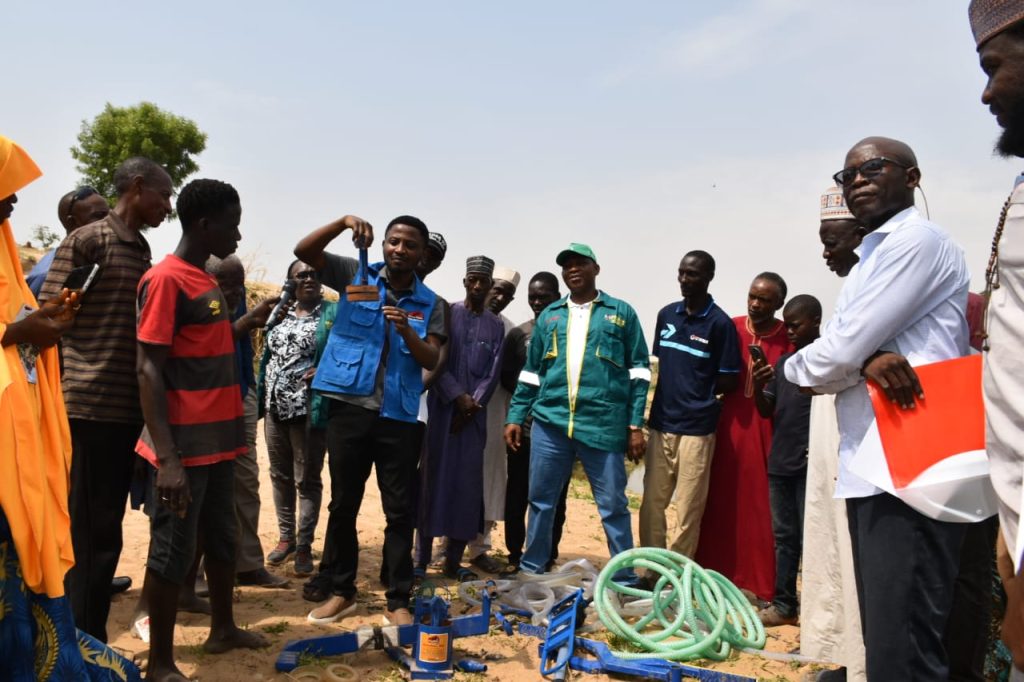
He explained that one of the biggest advantages technology brings to agriculture is access to timely and reliable information. Through mobile phones and digital platforms, farmers can now receive weather forecasts, market prices, pest alerts, and farming recommendations that help them make better decisions.
Bangis emphasized that information-driven farming can significantly reduce risks and improve profitability for farmers.
He also pointed to the growing adoption of precision agriculture technologies, including satellite imagery, digital monitoring systems, and soil-testing solutions. According to him, these tools allow farmers to apply inputs more efficiently, reduce waste, and increase productivity.
The Commodity.ng co-founder further highlighted the increasing use of drone technology in commercial agriculture. Drones, he said, are helping farmers monitor crop health, identify disease outbreaks, assess irrigation needs, and detect potential problems before they become costly.
“Technology allows farmers to see problems early and respond quickly. That alone can save millions of naira in potential losses,” he noted.
On agricultural finance, Bangis observed that digital lending platforms and financial technology solutions are beginning to bridge the financing gap that has historically limited agricultural growth in Nigeria. By leveraging data and mobile technology, farmers can access funding more easily than through traditional lending systems.
He also stressed the importance of digital marketplaces in improving market access for farmers. According to him, online platforms are connecting producers directly with buyers, reducing dependence on multiple intermediaries and helping farmers secure better prices for their commodities.
Beyond crop production, Bangis noted that technology is equally transforming livestock and aquaculture operations. Automated feeding systems, animal health monitoring tools, water-quality sensors, and modern hatchery technologies are helping producers improve efficiency and increase output.
Discussing climate change, he explained that technology is becoming an essential tool for adaptation. Climate-smart innovations such as drought-resistant seeds, solar-powered irrigation systems, and sustainable farming practices are helping farmers build resilience against unpredictable weather conditions.
Bangis also commended the emergence of AgriTech startups across Nigeria, describing them as a positive force driving innovation within the agricultural ecosystem. He noted that young entrepreneurs are developing solutions that address challenges in logistics, financing, farm management, storage, and market access.
Despite the progress being made, he acknowledged that several obstacles continue to slow technology adoption, particularly among smallholder farmers. Poor rural internet connectivity, inadequate infrastructure, high technology costs, and limited digital literacy remain significant barriers.
“We cannot talk about agricultural innovation without addressing infrastructure. Farmers need roads, electricity, internet connectivity, and access to training if technology is going to reach its full potential,” he said.
Bangis concluded by stating that the future of Nigerian agriculture will increasingly depend on innovation and data-driven decision-making.
“The countries that will dominate agricultural production in the future are not necessarily those with the most land, but those that use technology most effectively. Nigeria has enormous agricultural potential, and technology provides the opportunity to unlock it.”
He added that achieving food security, creating jobs, and strengthening Nigeria’s position in regional and global commodity markets will require sustained investment in agricultural innovation and digital transformation.
Commodity.ng Insight
IBM Bangis’ remarks highlight a growing reality within Nigeria’s agricultural sector: technology is gradually becoming the dividing line between subsistence farming and commercially competitive agriculture.
While Nigeria possesses vast arable land and a large farming population, productivity remains significantly below global benchmarks. Digital tools, mechanization, precision farming, and data-driven decision-making could help close this gap and improve efficiency across the agricultural value chain.
However, widespread adoption will depend on making these technologies accessible and affordable for smallholder farmers, who account for the majority of food production in Nigeria. Without inclusive access to innovation, the country’s food security ambitions may remain difficult to achieve.
As commodity markets become increasingly data-driven, technology will not only influence farm productivity but also determine how effectively farmers access markets, manage risks, and respond to changing consumer demand.
For Nigeria, the future of agriculture will be shaped not only by what is grown, but by how intelligently it is produced, managed, and marketed.
Discover more from Commodity Nigeria
Subscribe to get the latest posts sent to your email.