How to Start Snail Farming in Nigeria: A Practical Guide to Species, Housing, Feeding, Cost, Profit and Market
Snail farming is an agricultural business that can be started on a relatively small plot of land, making it attractive to entrepreneurs, smallholder farmers and people exploring agribusiness alongside other occupations. Unlike cattle, sheep or poultry, snails require comparatively little space and can be raised in controlled enclosures using locally available feed materials. However, successful production requires careful attention to moisture, temperature, housing, feeding, breeding and protection from predators.
In Nigeria, edible giant land snails are valued for their meat, which is sold in local markets, restaurants, hotels and food-service businesses. Demand can vary by location and season, and snails are especially familiar in many southern Nigerian cuisines. Beyond meat production, commercial opportunities exist in breeding-stock supply, hatchling production, aggregation, processing and distribution.
The National Agricultural Extension and Research Liaison Services (NAERLS) identifies the West African giant land snail, Archachatina marginata, and Achatina achatina as important species for snail farming in Nigeria. Both are native to West Africa and are suitable candidates for properly managed production systems. Source: NAERLS, Snail Production Techniques in Nigeria
For an entrepreneur, the central question is not simply whether snails can be raised with limited space. It is whether they can be raised consistently, at a manageable cost and to a size that buyers are willing to pay for.
Choosing the Right Snail Species
Two species commonly considered for commercial snail farming in Nigeria are Archachatina marginata and Achatina achatina.
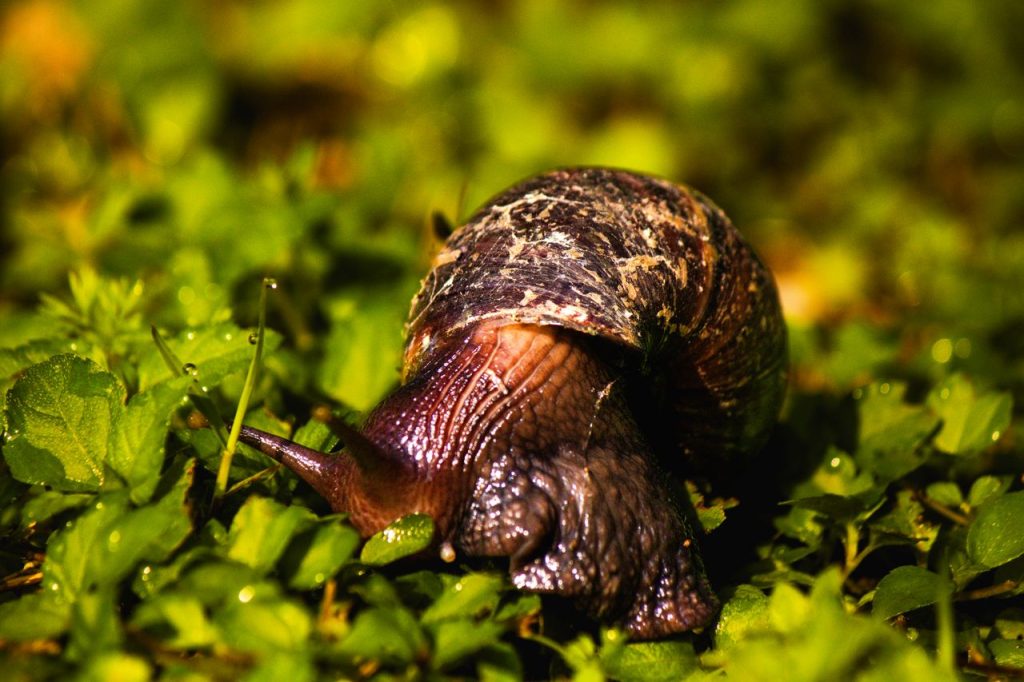
Archachatina marginata, often called the giant African land snail, is widely recognised in Nigerian snail production. It has a large shell and can attain a substantial mature body size under suitable conditions. NAERLS reports that it may reach full size in approximately 24 months under good feeding and watering conditions, although actual growth depends on genetics, climate and management.
Achatina achatina, another West African giant land snail, is also raised for meat. Its shell is generally elongated and patterned, and it can reproduce prolifically under suitable conditions. However, farmers should obtain species identification and husbandry advice from experienced breeders or agricultural extension professionals before purchasing breeding stock.
The choice of species affects growth, reproductive performance, housing requirements and the time needed to reach market size. Farmers should not mix different sizes or age groups indiscriminately, because larger snails may injure smaller ones and animals at different growth stages may have different management needs.
It is also important to obtain snails from reputable sources. Stock should be healthy, active and appropriate for the intended production system. Collecting wild snails without considering sustainability, local regulations and possible contamination can create problems for a commercial enterprise.
Systems of Snail Farming
Snails can be raised in several systems, ranging from simple outdoor enclosures to more controlled commercial units.
Extensive production uses a prepared outdoor enclosure where snails feed on suitable vegetation and supplementary materials. This approach can reduce feeding costs, but the farmer must manage moisture, predators, theft, flooding and seasonal changes.
Semi-intensive production combines a controlled enclosure with supplementary feeding and closer monitoring. Farmers can manage the environment more effectively while taking advantage of natural feed resources where available.
Intensive production relies on more controlled housing, feeding and environmental management. It can be useful where space is limited, but success depends on appropriate ventilation, humidity, hygiene, stocking density and regular monitoring.
A snail pen may be constructed from suitable timber, blocks, wire mesh and other materials that prevent escape and protect the animals. The enclosure should allow air circulation while retaining sufficient moisture and providing protection from direct sunlight and heavy rain.
The design must also prevent rodents, ants, lizards, birds and other predators from entering. Snails can escape through small openings, so walls, covers and drainage points should be inspected regularly.
For beginners, a modest enclosure is often more practical than immediately investing in a large facility. Starting small allows the farmer to learn about local conditions, survival rates, feeding requirements and market preferences before expanding.
Feeding and Environmental Management
Snails feed on a variety of plant materials, including suitable leaves, fruits and vegetables. Pawpaw leaves and fruit, waterleaf and other appropriate leafy materials are commonly used in snail-rearing systems. Supplementary feed may also be needed to support growth and reproduction.
Calcium is particularly important because snails need it to build and maintain their shells. Farmers should provide a suitable calcium source as part of a balanced feeding programme, using advice from agricultural extension professionals to select appropriate materials and quantities.
Feed should be fresh and free from mould, pesticides and chemical contamination. Leftover food should be removed before it deteriorates, as decomposing materials can attract pests and encourage poor hygiene.
Moisture is equally important. Snails require a suitably humid environment and can become inactive when conditions are too hot or dry. Farmers should monitor the enclosure and provide water carefully without creating standing water or flooding. Excessive moisture and poor drainage can also increase losses.
The best feeding strategy balances nutritional needs, availability and cost. Farmers can reduce expenses by growing suitable feed plants around the farm, but they should not assume that freely available vegetation alone will always support rapid growth and reliable reproduction.
Breeding Snails and Producing Hatchlings
Breeding is an important part of commercial snail farming because it allows a farm to increase its stock without purchasing every animal.
Snails are generally hermaphroditic, meaning that individuals possess both male and female reproductive organs. However, this does not mean that every snail can simply reproduce by itself; mating and successful egg production depend on the species and reproductive conditions.
Breeding stock should be healthy, mature and well fed. Farmers should provide suitable soil or substrate for egg laying and avoid excessive disturbance of breeding animals.
Eggs should be monitored carefully, and hatchlings should be protected from predators, unsuitable moisture levels and rough handling. Young snails are particularly vulnerable, so farmers may need separate nursery enclosures to improve survival.
The breeding cycle requires patience. A farm may begin generating hatchlings before it produces substantial quantities of market-sized snails, and those hatchlings still require time, feed and care before they can be sold.
Farmers should therefore distinguish between three potential products: breeding stock, young snails for other farmers and mature snails for consumption. Each has different buyers, production requirements and pricing considerations.
How Much Does It Cost to Start Snail Farming in Nigeria?
Startup costs depend on the scale of the operation, the type of enclosure, the number and maturity of the snails, feeding arrangements and the availability of land and materials.
The main expenses typically include:
- Construction of the snail pen or enclosure
- Purchase of breeding stock or juvenile snails
- Soil preparation and suitable substrate
- Feed and calcium supplements
- Watering equipment
- Protective covers and predator barriers
- Labour and routine maintenance
- Transportation and marketing
One advantage of snail farming is that an entrepreneur may be able to start with a relatively small enclosure rather than purchasing extensive land or expensive livestock housing. Nevertheless, low initial capital requirements do not guarantee high returns.
The farmer must also budget for the period before snails reach marketable size. Spending the available capital on the initial stock and enclosure without reserving money for feed, maintenance and losses can undermine the business.
Before starting, obtain local quotations for breeding stock and construction materials. The cost of snails varies by size, species, season and supplier, so a reliable budget should use prices from the actual area where the farm will operate.
How Snail Farmers Make Money
Snail farmers can generate income through several business models.
The first is meat production, in which snails are raised to a marketable size and sold to consumers, restaurants, market traders and food vendors.
The second is breeding-stock sales. Farmers with good-quality breeding animals and reliable production records may supply new entrants who want to establish their own farms.
The third is hatchling or juvenile production, which can provide an additional source of revenue if other farmers in the area need young stock.
A fourth opportunity is aggregation and distribution. An entrepreneur may purchase snails from smallholder farmers and supply restaurants, retailers and larger buyers. This model requires reliable sourcing, appropriate handling and a clear understanding of market prices.
Processing and packaging can also create opportunities, but businesses entering this area need to manage food hygiene, storage and applicable regulatory requirements.
Understanding the Economics of Snail Farming
The profitability of snail farming depends on survival, growth, reproductive performance, feeding expenses and the price received from buyers.
A farmer should calculate the cost of producing each marketable snail rather than relying only on the selling price.
Total production cost = Initial stock + Housing and equipment costs allocated to production + Feed + Labour + Maintenance + Losses + Transport + Other expenses
Profit = Total sales revenue − Total production cost
For example, suppose a farmer raises a batch of snails at a total allocated production cost of ₦300,000 and eventually sells the marketable snails for ₦450,000. The difference is ₦150,000 before any expenses not included in the original budget.
This is a hypothetical example, not a current price estimate or guaranteed return. Actual results depend on the number of snails that survive, their size at sale, production time, feed costs and the market available to the farmer.
Published Nigerian studies have found that snail production can generate positive returns in particular study areas. However, these findings are location-specific and should not be treated as a guarantee that every farm will be profitable. Research has also identified constraints including feed costs, limited technical knowledge, access to finance, pests, disease and weak market access.
The practical lesson is to maintain records from the beginning. Track the number of snails stocked, deaths, eggs laid, hatchlings, feed expenses, growth and sales. These figures will show whether the farm is improving and whether expansion is justified.
Where Is Snail Farming Suitable in Nigeria?
Snail farming can be practised in different parts of Nigeria, provided the farmer can create and maintain suitable environmental conditions. Humid southern states have a long association with edible land snails, but controlled production can also be undertaken in other locations with appropriate housing, moisture management and feed supply.
Research on snail farming in the Federal Capital Territory and Nasarawa State has documented existing production and highlighted opportunities and challenges in the North Central region. This suggests that snail farming is not limited exclusively to the humid south, although local environmental conditions remain important.
A suitable farm location should have access to water, feed materials, affordable construction inputs, labour and potential buyers. The farmer should also consider security and the ability to maintain appropriate humidity during the dry season.
Before establishing a commercial unit, it is sensible to conduct a small trial to understand local conditions and production performance. This can reduce the risk of investing heavily in an unsuitable enclosure or management system.
The Snail Value Chain and Market Opportunities
The snail value chain extends beyond the farm. It includes breeding-stock suppliers, hatchling producers, growers, aggregators, transporters, wholesalers, retailers, restaurants and consumers.
An entrepreneur can specialise in one part of this chain rather than managing the entire process. For example, someone with good market connections could aggregate snails from multiple small farms and supply restaurants or retailers consistently.
Another opportunity is the supply of breeding stock and technical support to new farmers. This business requires dependable animals, sound husbandry knowledge and realistic advice about the time needed to reach commercial production.
The wider microlivestock sector—including snails, rabbits, honeybees and other small livestock—is receiving increasing attention in research and agricultural development discussions because these enterprises may be suitable for smallholder and urban or peri-urban production. A 2026 study examining Nigeria’s microlivestock value chains, however, also noted that up-to-date evidence on production, marketing and investment opportunities remains limited.
This creates a need for better production records, more reliable pricing information and stronger connections between farmers and buyers.
Common Challenges in Snail Farming
The main challenges include slow growth, mortality, predators, theft, poor environmental control, inadequate technical knowledge and uncertain demand.
Dry weather can reduce activity and growth if moisture is not managed properly. Excessive moisture, flooding and poor drainage can also harm the stock. Predators and pests can cause losses, particularly where enclosures are poorly designed.
Market access is another concern. A farmer may produce healthy snails but struggle to sell them consistently if there are few buyers nearby or if the farm has not established relationships with traders and restaurants.
These challenges can be reduced through suitable enclosure design, careful feeding, environmental monitoring, good hygiene, accurate records and market research before expanding production.
Is Snail Farming Profitable in Nigeria?
Snail farming can generate income, but profitability depends on the time required to produce marketable snails and the cost of maintaining them.
Unlike broiler farming, where a production batch may be ready within weeks, commercial snail production can require a considerably longer period. NAERLS notes that Archachatina marginata may take approximately 24 months to reach full size under good conditions. Farmers should therefore avoid business plans that assume every snail will reach its target size within a few months.
The most useful indicators include survival rate, growth rate, breeding performance, cost per marketable snail, selling price and the length of the production cycle.
A business that produces many hatchlings but loses a large proportion before maturity may not be profitable. Similarly, a farm that sells snails at a good price but takes too long to produce them may struggle with cash flow.
Commercial success requires a balance between reproduction, survival, growth, cost control and reliable buyers.
Frequently Asked Questions
How many snails should a beginner start with?
There is no universal number. The starting stock should match the size of the enclosure, available capital, feeding resources and the farmer’s experience. Starting with a manageable batch allows the farmer to learn before expanding.
Which snail species is suitable for farming in Nigeria?
Archachatina marginata and Achatina achatina are two important edible land-snail species used in Nigerian snail farming. Farmers should source healthy, correctly identified stock from reputable suppliers.
How long does it take for snails to mature?
The period depends on the species, genetics, feeding and environmental conditions. NAERLS reports that Archachatina marginata may take around 24 months to reach full size under good conditions, so farmers should plan for a potentially lengthy production cycle.
What do farmed snails eat?
Snails can consume suitable leaves, fruits and vegetables, with additional nutritional support where needed. A suitable calcium source is important for shell development. Feed must be fresh and free from harmful chemical contamination.
Can snail farming be done at home?
Yes. A small backyard enclosure can be suitable if it provides adequate protection, ventilation, moisture, drainage and feeding facilities. The farmer must also consider security, hygiene and local requirements.
Is snail farming a passive-income business?
No. Although snails require less daily movement and space than some livestock, they still need regular feeding, cleaning, environmental monitoring, predator control and health management.
Commodity.ng Insight
Snail farming illustrates an important principle in agribusiness: a business can require relatively little space and still demand careful financial and operational management.
The most important figures are not simply the number of snails in an enclosure. They include survival rate, growth rate, reproductive output, production cost per marketable snail, selling price and the time required to generate revenue.
For investors and entrepreneurs, opportunities exist in breeding stock, hatchling supply, aggregation, processing and distribution. However, expansion should be based on demonstrated production performance and verified demand rather than assumptions about high profit margins.
Reliable market information is especially important for a niche commodity such as snails. Farmers need to understand the prices buyers actually pay, the sizes they prefer and how demand varies by location and season. Traders need to identify dependable sources of supply, while restaurants and retailers need consistent quality and quantities.
This is where Commodity.ng can connect agricultural production with market intelligence, helping farmers, traders, processors and investors make better-informed decisions about commodity prices and market opportunities.
The long-term opportunity in Nigerian snail farming lies in moving from informal, occasional production towards more organised farming, reliable supply and stronger market connections.
A successful snail business is built on patience, proper environmental management, accurate cost records and a clear market—not merely on the belief that snails are easy to rear.
Discover more from Commodity Nigeria
Subscribe to get the latest posts sent to your email.