
Kebbi Moves to Protect Rice Farms as Quelea Bird Invasion Threatens Wet-Season Production
Emergency response measures activated as migratory pests attack key rice-growing communities across Nigeria’s leading rice-producing state.
The Kebbi State Government has stepped up efforts to contain a growing invasion of quelea birds that is threatening rice farms across several agricultural communities, raising concerns about potential crop losses during the ongoing wet-season farming cycle.
The state’s Commissioner for Agriculture and Food Security, Alhaji Shehu Mu’azu, disclosed that the migratory birds have invaded major Fadama farming areas, posing a significant risk to rice production and the livelihoods of thousands of farmers.
Speaking during a press briefing at the Ministry of Agriculture and Food Security in Birnin Kebbi, Mu’azu revealed that the infestation was detected within the past 72 hours, with reports already indicating damage to some early-planted rice fields.
According to him, quelea birds are among Africa’s most destructive agricultural pests, known for moving in large flocks capable of destroying extensive areas of grain crops within a short period.
“Without immediate intervention, quelea birds can wipe out an entire hectare of grain crops within hours,” the commissioner said.
Key Rice-Producing Areas Affected
The state government identified Birnin Kebbi, Gwandu, Argungu, Kalgo and Bunza local government areas among the locations experiencing significant bird activity.
The affected areas are notable rice-producing zones within Kebbi State, making the infestation a major concern for farmers and agricultural stakeholders seeking to sustain production levels during the current season.
Mu’azu acknowledged growing concerns among farming communities and assured producers that the government was implementing urgent measures to prevent widespread crop destruction.
“We recognise the concerns of our farmers and remain committed to protecting their investments, livelihoods and the state’s food production capacity,” he stated.
Government Activates Emergency Response
Following reports of the infestation, Governor Nasir Idris directed the Ministry of Agriculture and Food Security to immediately activate emergency crop protection measures.
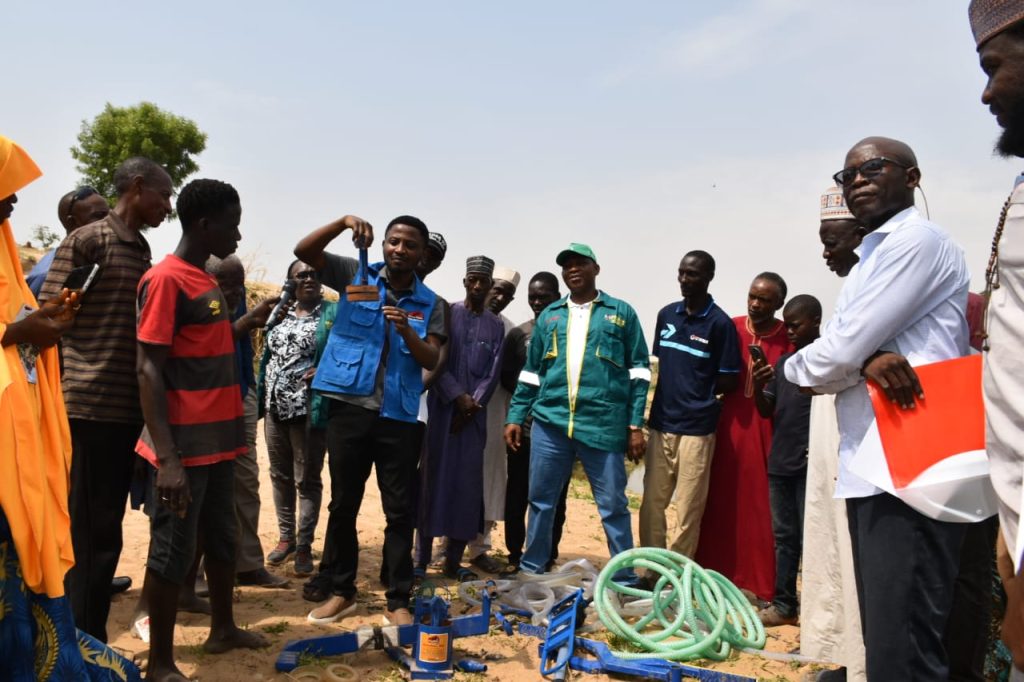
As part of the intervention strategy, agricultural extension personnel and crop protection experts have been deployed to affected communities to monitor bird movements, assess crop damage and coordinate control operations.
The commissioner disclosed that surveillance teams have already identified nine major roosting sites across the affected areas, providing critical intelligence for targeted intervention efforts.
Ground spraying operations using Fenthion 5EC, a pesticide commonly used for quelea bird control, have commenced in affected locations.
“We have begun ground spraying operations and early indications suggest the intervention is yielding positive results,” Mu’azu said.
He further revealed that preparations for aerial spraying operations are underway, pending the necessary regulatory approvals.
According to agricultural experts, aerial spraying remains one of the most effective methods for managing large-scale quelea infestations, particularly in expansive rice-growing areas where ground operations may have limited reach.
Threat to Rice Production and Food Security
The latest invasion comes at a critical period for rice cultivation in Kebbi State, one of Nigeria’s leading rice-producing hubs and a major contributor to national food security.
Over the years, Kebbi has played a central role in efforts to boost domestic rice production, reduce import dependence and strengthen Nigeria’s agricultural self-sufficiency agenda.
Agricultural specialists warn that uncontrolled quelea infestations can inflict severe economic losses on farmers by attacking rice, millet, sorghum and other cereal crops. Beyond reducing yields, such infestations can affect farmer incomes, disrupt commodity supply chains and contribute to market volatility.
With wet-season cultivation underway, stakeholders say rapid containment measures will be crucial to safeguarding crop performance and protecting investments made by farmers across the state’s agricultural value chain.
The Kebbi State Government has reiterated its commitment to supporting affected farmers and ensuring that current interventions prevent the outbreak from escalating into a wider agricultural emergency.
Commodity.ng Insight
The quelea bird invasion highlights an often-overlooked threat to agricultural productivity in Nigeria—crop losses caused by pests and migratory birds. While discussions around food security frequently focus on insecurity, climate change and input costs, biological threats such as quelea infestations can significantly undermine production if not addressed promptly.
For Kebbi State, where rice production remains a key pillar of the agricultural economy, early intervention is critical. Any substantial loss in rice output could affect regional grain supplies and potentially influence market prices later in the season.
The swift deployment of surveillance teams, extension officers and crop protection measures demonstrates the importance of rapid response systems in modern agriculture. Going forward, investment in pest monitoring, early warning systems and integrated crop protection strategies will be essential to protecting Nigeria’s growing rice industry and strengthening national food security.
Discover more from Commodity Nigeria
Subscribe to get the latest posts sent to your email.