88,000 Farmers Across Four States to Receive Agricultural Inputs Ahead of Planting Season
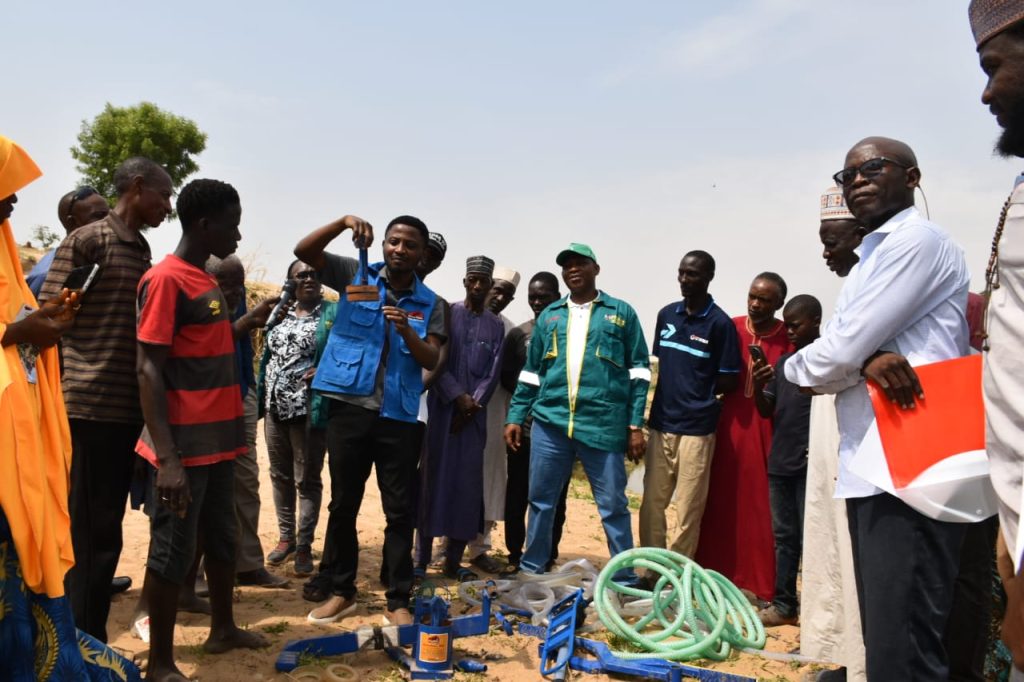
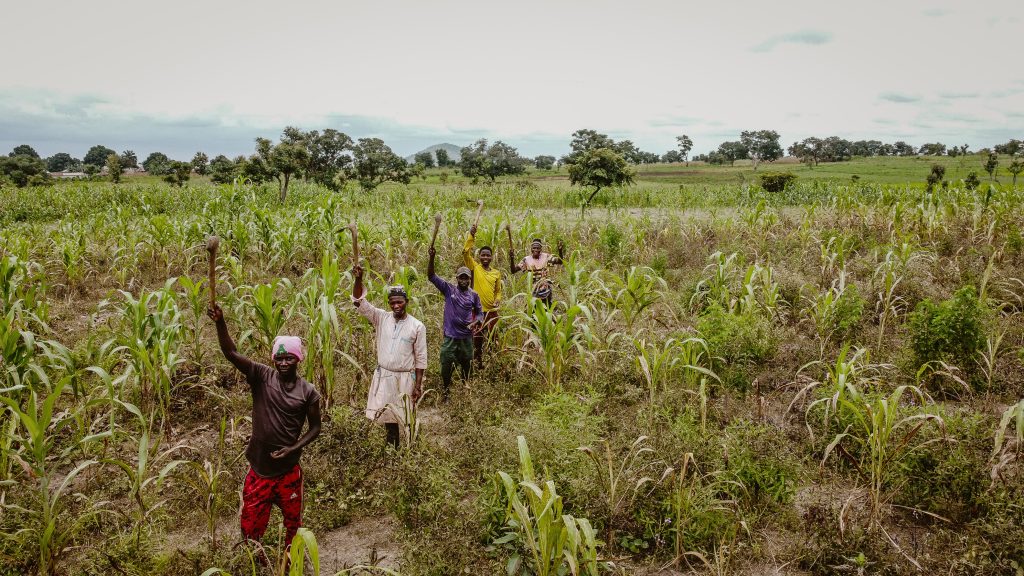
In a move aimed at improving smallholder productivity and supporting food production, One Acre Fund Nigeria has commenced the distribution of 9,000 tonnes of agricultural inputs to 88,000 farmers across Nasarawa, Niger, Kwara and Plateau states ahead of planting season.
The initiative seeks to address some of the most persistent challenges facing smallholder farmers, including limited access to affordable agricultural financing, high input costs and inefficient last-mile distribution systems that often prevent farmers from receiving inputs when they are most needed.
According to the organisation, the phased distribution programme is currently underway and is scheduled for completion before the peak planting period, ensuring farmers have timely access to essential production inputs.
Speaking on the intervention, Communications Lead of One Acre Fund Nigeria, Kazi Nanyah, said the programme combines agricultural input credit with training, advisory services and digital support designed to improve farm productivity and household incomes.
He explained that participating farmers receive quality seeds and fertilisers on credit, alongside practical agronomic guidance that helps improve crop management and maximise yields.
The organisation estimates that farmers participating in the programme frequently achieve significant productivity gains, with maize yields often nearly doubling under similar farming conditions.
In addition, average household income increases of approximately $328 per farming season have been recorded among beneficiaries, highlighting the potential economic impact of improved access to inputs and technical support.
One Acre Fund noted that its delivery model focuses on bringing services directly to farming communities, reducing farmers' dependence on distant markets and intermediaries.
This approach is intended to ensure that inputs reach beneficiaries on time while lowering transportation costs and logistical barriers that often affect rural producers.
The programme also places emphasis on inclusion, with women and young people accounting for more than 35 per cent of participating farmers.
Among the beneficiaries is 24-year-old maize farmer, Keziah Danjuma, from Pyatta community in Niger State, who said access to quality seeds and fertilisers through the programme has significantly improved her farming operations.
According to her, receiving inputs within her community has reduced the time and cost associated with sourcing agricultural supplies while helping increase farm productivity and income.
Beyond input distribution, One Acre Fund's broader support framework focuses on three strategic areas: improving farm productivity through quality inputs and training, strengthening resilience through climate-smart agricultural practices and tree-planting initiatives, and enhancing market access by connecting farmers to more reliable buyers and commercial opportunities.
The organisation explained that the intervention comes at a time when Nigeria's agricultural sector continues to face mounting pressures from rising production costs, limited access to agricultural finance, climate-related risks and supply-chain inefficiencies.
Since launching operations in Nigeria in 2018, One Acre Fund has expanded its reach to more than 600,000 farmers across Kwara, Nasarawa, Niger and Plateau states, supporting efforts to improve productivity, increase household incomes and strengthen rural livelihoods.
Agricultural experts have consistently identified access to quality inputs and financing as critical constraints limiting smallholder performance across the country. Many farmers are unable to purchase improved seeds, fertilisers and crop protection products at the beginning of the season due to financial limitations, resulting in lower yields and reduced profitability.
By providing inputs on credit alongside technical support, programmes such as this aim to bridge that gap and help farmers achieve better production outcomes.Commodity.ng Insight / Digest
The significance of this intervention extends beyond the distribution of seeds and fertilisers. It highlights one of the most important realities in Nigerian agriculture: productivity challenges are often linked more to access than to potential.
Millions of smallholder farmers possess the land and willingness to produce more food but remain constrained by limited access to finance, quality inputs and extension support.
The One Acre Fund model addresses several of these challenges simultaneously by combining financing, input supply, farmer education and market linkages into a single support system.
What This Means for Commodity Markets
- Improved access to quality inputs could boost maize and other staple crop production across participating states.
- Higher yields may contribute to increased market supply during the harvest season.
- Better farmer incomes can encourage expansion of cultivated acreage in future seasons.
- Credit-based input distribution helps address one of the biggest barriers to smallholder productivity.
- Increased participation of women and youth supports long-term sustainability of the agricultural sector.
Bottom Line
While 88,000 farmers represent a small fraction of Nigeria's farming population, the programme demonstrates how targeted support can significantly improve productivity and incomes. Expanding similar models across more states could play an important role in strengthening food production, improving rural livelihoods and supporting national food security goals.
Discover more from Commodity Nigeria
Subscribe to get the latest posts sent to your email.
Discover more from Commodity Nigeria
Subscribe to get the latest posts sent to your email.