
Nigeria Secures 449,000 Metric Tonnes of Fertiliser Inputs to Strengthen Food Security
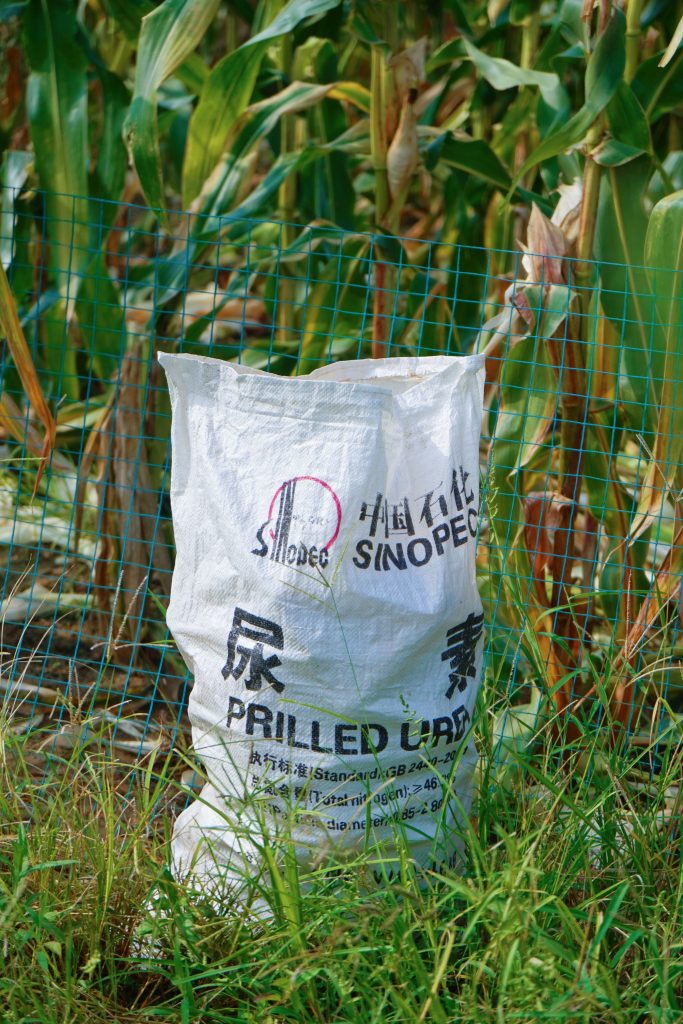
President Bola Tinubu has announced that Nigeria has secured more than 449,000 metric tonnes of fertiliser inputs, equivalent to approximately nine million bags, as part of ongoing efforts to boost agricultural productivity and enhance national food security.
The President disclosed the development through a statement shared on his official social media platform, describing the achievement as a significant step toward fulfilling his administration’s commitment to strengthening local food production and reducing the country’s vulnerability to external supply shocks.
According to Tinubu, as of May 2026, over 449,000 metric tonnes of fertiliser inputs had either arrived in the country or were already in transit through ten vessels, ensuring adequate supplies for the current farming season.
He noted that food security remains a central pillar of the administration’s Renewed Hope Agenda, emphasizing the government’s determination to support farmers, increase domestic food production and reduce dependence on imported food commodities.
The President explained that Nigeria’s fertiliser sector has faced numerous challenges over the years, including rising global raw material costs, supply chain disruptions and limited access to inputs by smallholder farmers.
To address these challenges, Nigeria had previously entered strategic partnerships with Morocco and Russia under the Presidential Fertiliser Initiative (PFI), a programme designed to revive local fertiliser blending plants and improve access to affordable fertiliser nationwide.
The initiative helped increase domestic blending capacity by facilitating the importation of key raw materials while encouraging local production.
However, despite improvements in production capacity, issues such as product diversion, inefficiencies within the distribution chain and rising global market pressures continued to affect fertiliser availability and affordability.
Tinubu stated that recent geopolitical tensions and supply chain disruptions, particularly those linked to conflicts in parts of the world, have further heightened concerns about fertiliser availability for countries dependent on imported agricultural inputs.
He explained that the government took proactive measures to shield Nigeria from these disruptions by strengthening procurement systems, securing forward contracts for critical raw materials and improving coordination across the fertiliser value chain.
According to the President, these interventions have helped protect local fertiliser production from severe global supply shocks while ensuring continued availability for farmers.
The government also revealed plans to deliver a 1.1 million metric tonne fertiliser programme in 2026, equivalent to approximately 22 million bags, as part of broader efforts to support agricultural expansion across the country.
Tinubu further disclosed that strategic procurement arrangements generated savings estimated at N61.58 billion in 2026, helping to moderate fertiliser costs and improve accessibility for farmers.
The President highlighted Nigeria’s growing fertiliser industry, noting that the country now operates more than 90 fertiliser blending plants, giving it one of the largest blending capacities in Sub-Saharan Africa.
He said the expansion of local blending capacity is creating jobs, supporting industrial growth and improving the resilience of Nigeria’s agricultural sector.
Beyond securing fertiliser supplies, the government has also launched targeted programmes aimed at ensuring that inputs reach farmers efficiently.
Through the National Agricultural Development Fund (NADF), the Renewed Hope Farm Input Support Programme is currently distributing 515,720 bags of locally blended fertiliser to 128,930 smallholder farmers across 25 states and the Federal Capital Territory.
The programme is targeted at supporting vulnerable farmers and increasing crop productivity during the current planting season.
In addition to fertiliser distribution, the NADF is promoting improved farming practices through digital extension services, crop-specific fertiliser recommendations and interventions focused on priority commodities including rice, maize, cassava and soybean.
The government maintains that these efforts form part of a broader strategy to strengthen agricultural productivity, support local industries, improve farmer livelihoods and reduce pressure on food prices.
Commodity.ng Insight / Digest
The announcement highlights the growing recognition that fertiliser remains one of the most critical inputs required to improve agricultural productivity and food security in Nigeria.
While securing over 449,000 metric tonnes of fertiliser inputs is a positive development, the real test lies in effective distribution. Historically, challenges such as diversion, late delivery and unequal access have prevented many smallholder farmers from fully benefiting from government-supported fertiliser programmes.
The government’s target of delivering 22 million bags through the broader fertiliser programme could significantly support crop production if implementation remains transparent and efficient.
What This Means for Commodity Markets
- Increased fertiliser availability could boost yields for major crops including maize, rice, cassava and soybean.
- Improved access to farm inputs may encourage farmers to cultivate larger areas during the planting season.
- Higher agricultural output could help ease supply shortages and moderate food inflation over time.
- Strong local blending capacity reduces dependence on imported finished fertiliser products.
- Better timing and targeting of fertiliser distribution may improve productivity among smallholder farmers who account for a large share of Nigeria’s food production.
Bottom Line
Fertiliser remains one of the most important drivers of agricultural productivity. Securing large volumes of inputs is a positive step, but achieving meaningful gains in food security will depend on ensuring that fertilisers reach farmers on time, at affordable prices and in sufficient quantities. If effectively implemented, the initiative could contribute to higher crop yields, stronger food supplies and improved stability across Nigeria’s agricultural sector.
Discover more from Commodity Nigeria
Subscribe to get the latest posts sent to your email.



Hey there! I have been testing out different gaming apps lately and this one really stands out. The interface is super clean and withdrawals are always on time. Definitely my go to spot for evening fun. coberpley