Ibm Bangis

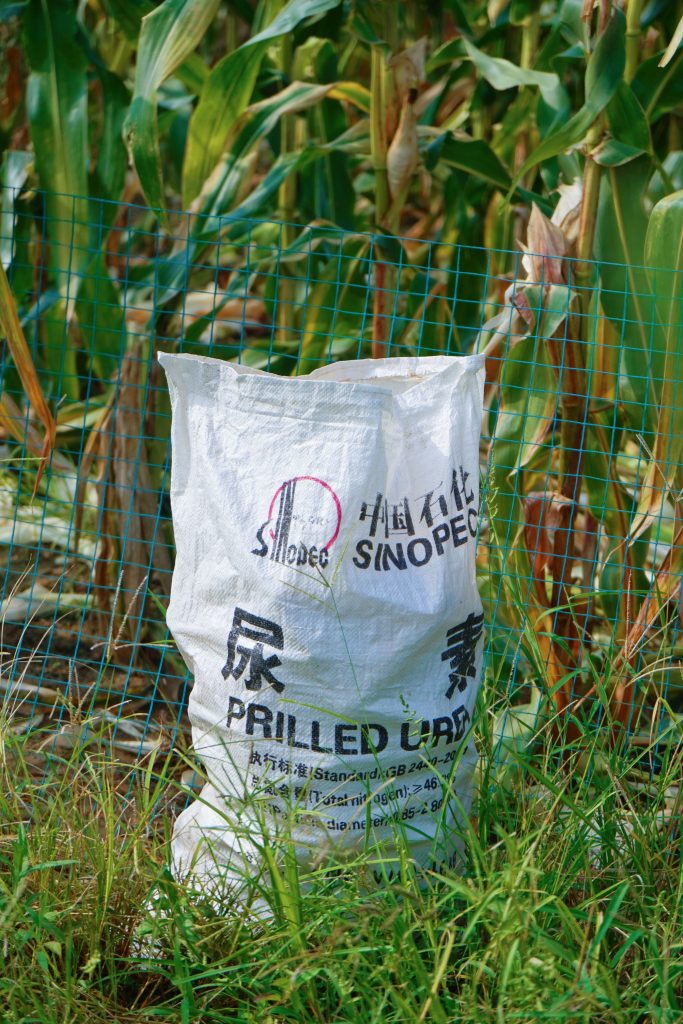
A bag of prilled urea fertilizer in a lush rural cornfield, showcasing agriculture.

Nigeria Secures 449,000 Metric Tonnes of Fertiliser Inputs to Strengthen Food Security

Nigeria Secures 449,000 Metric Tonnes of Fertiliser Inputs to Strengthen Food Security President Bola Tinubu has announced that Nigeria has secured more than 449,000 metric tonnes of fertiliser inputs, equivalent to approximately nine million bags, as part of ongoing efforts to boost agricultural productivity and enhance national food security. The President disclosed the development through […]

Nigeria Secures 449,000 Metric Tonnes of Fertiliser Inputs to Strengthen Food Security Read More »
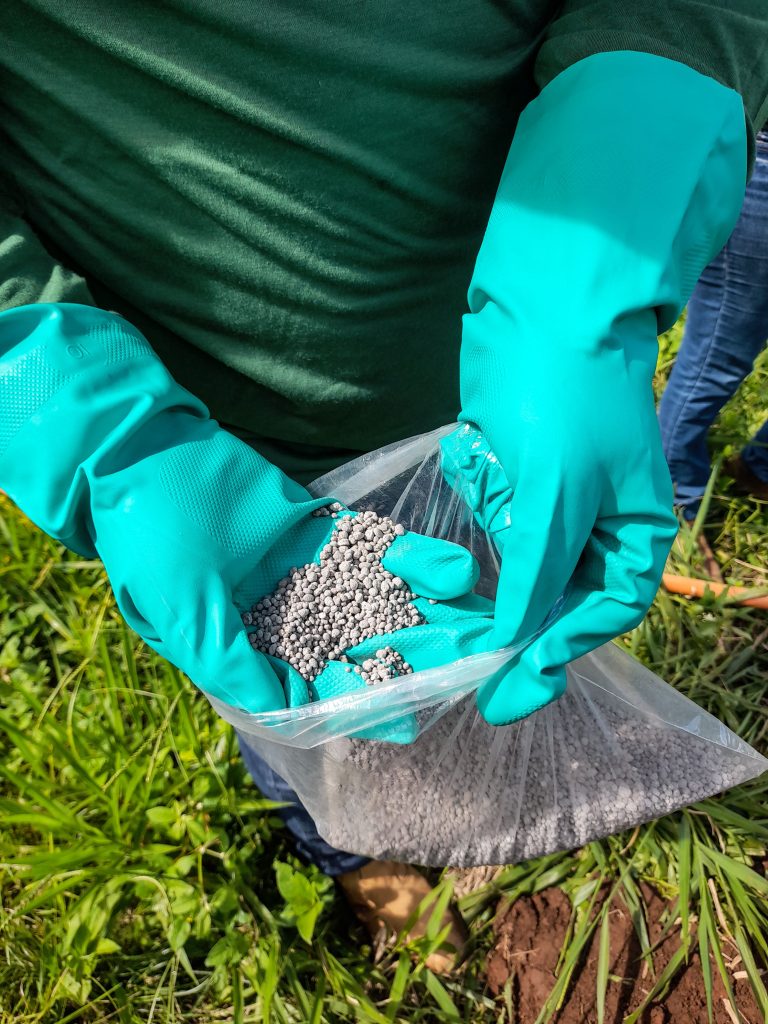
Close-up of a farmer holding fertilizer granules in green gloves in a rural field.

FG Launches Distribution of Over 515,000 Fertilizer Bags to Smallholder Farmers Nationwide

FG Launches Distribution of Over 515,000 Fertilizer Bags to Smallholder Farmers Nationwide The Federal Government has commenced the nationwide distribution of 515,720 bags of fertilizer to support smallholder farmers under the National Agricultural Development Fund’s (NADF) Renewed Hope Farm Input Support Programme (FISP). The initiative, officially launched in Abuja by Vice President Kashim Shettima through

FG Launches Distribution of Over 515,000 Fertilizer Bags to Smallholder Farmers Nationwide Read More »

Colorful grains stored in large sacks at an outdoor market, showcasing abundance and variety.

How Insecurity Is Threatening Nigeria’s Food Security and Driving Up Food Prices

Nigeria’s food security crisis is no longer just an agricultural issue—it has become a national security concern. Across major food-producing regions, farmers are facing growing threats from banditry, kidnapping, farmer-herder conflicts, insurgency, and rural violence. The consequences are being felt far beyond the farms, extending into markets, households, and the broader economy. As insecurity continues

How Insecurity Is Threatening Nigeria’s Food Security and Driving Up Food Prices Read More »

A hardworking farmer harvesting ripe peppers in the fields of Abuja, Nigeria.

Hidden Reasons Farmers Are Still Poor in Nigeria

Agriculture remains one of Nigeria’s most important sectors, employing millions of people and feeding the nation. Yet, despite its importance, a painful reality remains: many farmers in Nigeria are still poor. This is not because farming is unprofitable—but because the system around farming is broken in ways most people don’t see. In this guide, we

Hidden Reasons Farmers Are Still Poor in Nigeria Read More »

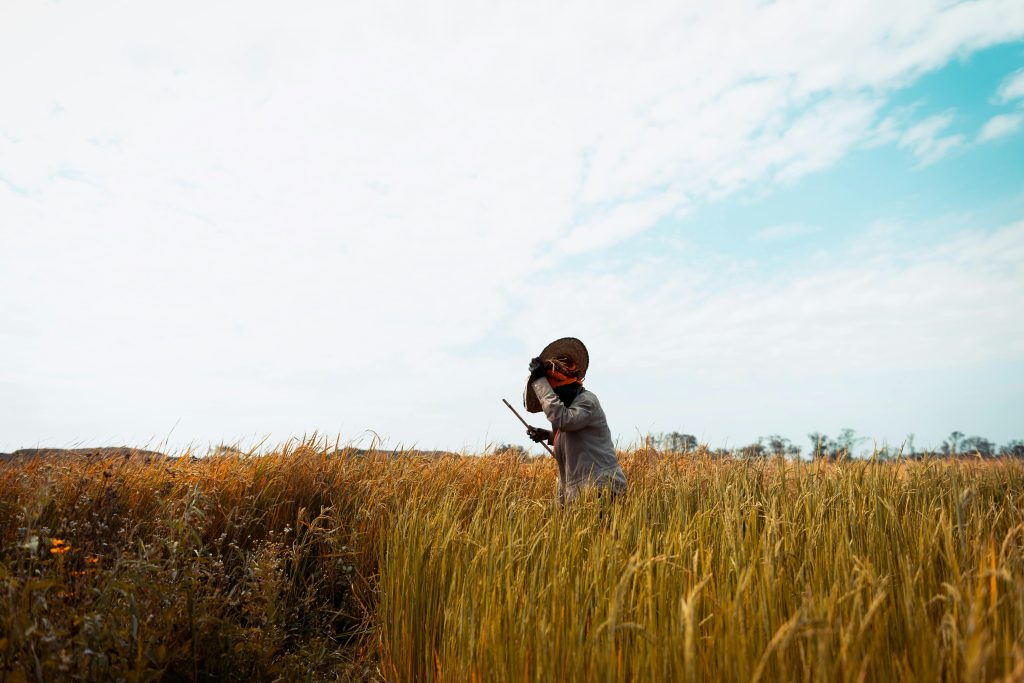
A farmer in Jos, Nigeria, tending to a ripe wheat field on a bright day.

The Quiet Extinction of the Nigerian Farmer

How Insecurity, Rising Costs, Climate Shocks and Market Failures Are Pushing Farmers Out of Agriculture Nigeria is witnessing a crisis that receives far less attention than it deserves. It is not a sudden disaster or a single event. It is a slow, painful, and largely unnoticed decline—the quiet extinction of the Nigerian farmer. Across the

The Quiet Extinction of the Nigerian Farmer Read More »

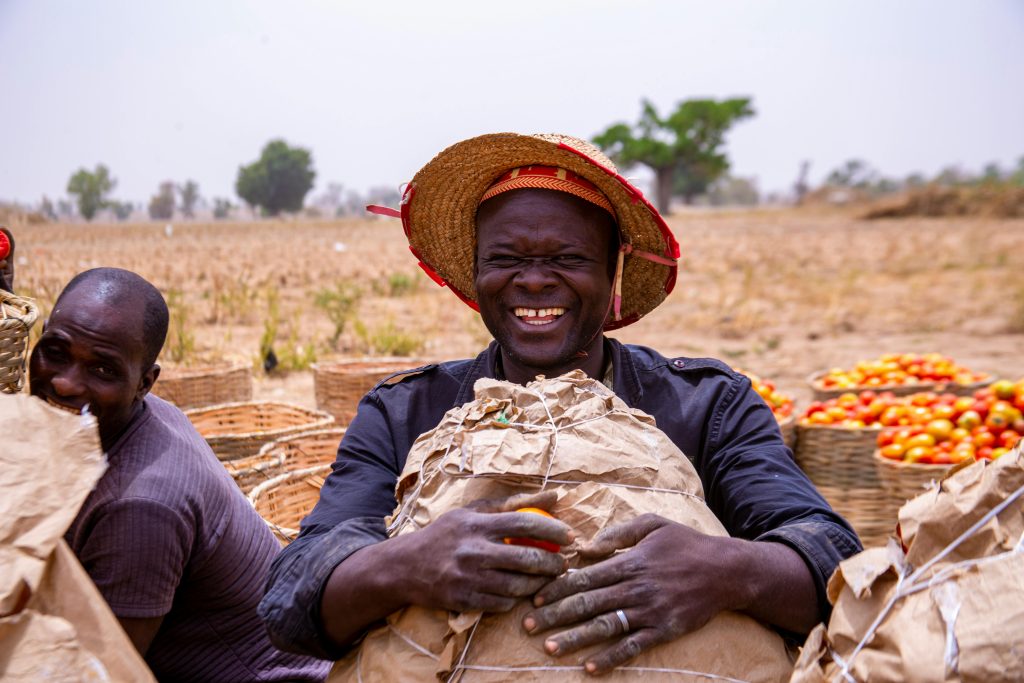
Farmers joyfully harvest tomatoes in a sunny Nigerian field.

Middlemen and Weak Policies Continue to Hurt Nigerian Farmers.

Nigeria’s agricultural sector continues to face deep structural challenges that prevent farmers from fully benefiting from their hard work. According to leaders within the All Farmers Association of Nigeria (AFAN), the growing dominance of middlemen, poor market coordination, weak policies, and limited access to infrastructure are contributing significantly to rising food prices and worsening conditions

Middlemen and Weak Policies Continue to Hurt Nigerian Farmers. Read More »

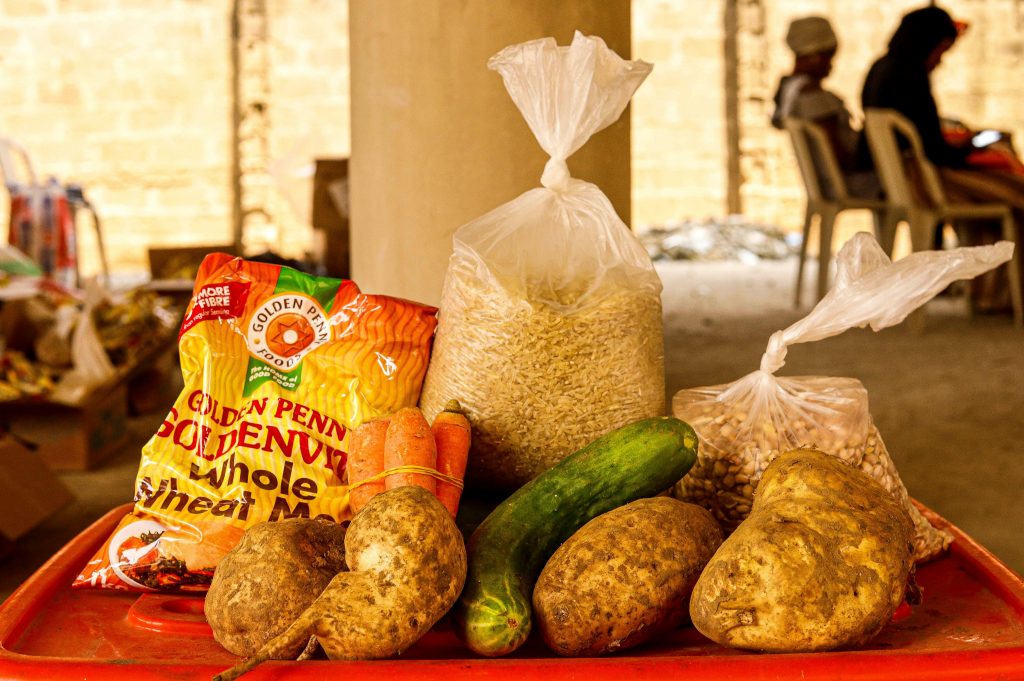
Variety of fresh vegetables and packaged food on a market table indoors.

Why Nigeria Must Act Now on Food Security

Food security has become one of the most urgent issues facing Nigeria today, not only because of rising hunger and food prices, but because it is directly tied to economic stability, national security and social development. Increasing evidence continues to show that agriculture remains one of the strongest contributors to Nigeria’s economy, meaning that any

Why Nigeria Must Act Now on Food Security Read More »

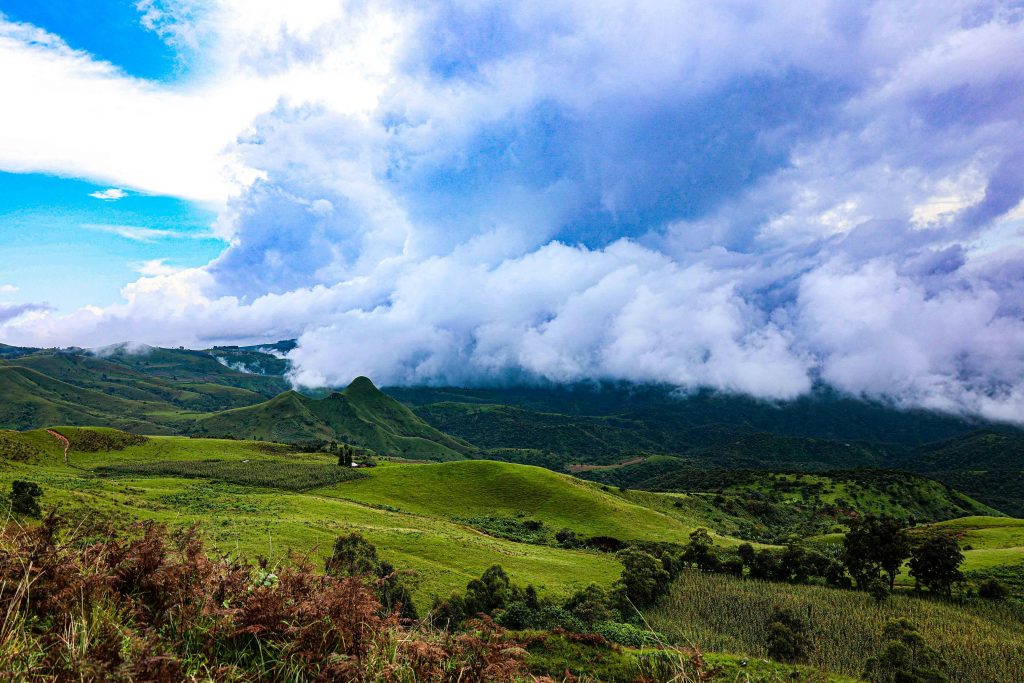
Lush green Mambilla Plateau under dramatic cloudy skies in Taraba, Nigeria.

Climate Change Deepens Pressure on Nigeria’s Agricultural Sector

Nigeria’s agricultural sector is facing increasing pressure from the growing effects of climate change, threatening food production, rural livelihoods, and national food security. Rising temperatures, irregular rainfall, prolonged droughts, floods, and worsening pest outbreaks are steadily disrupting farming activities across the country. Climate data shows that Nigeria’s average temperature has risen significantly over the past

Climate Change Deepens Pressure on Nigeria’s Agricultural Sector Read More »

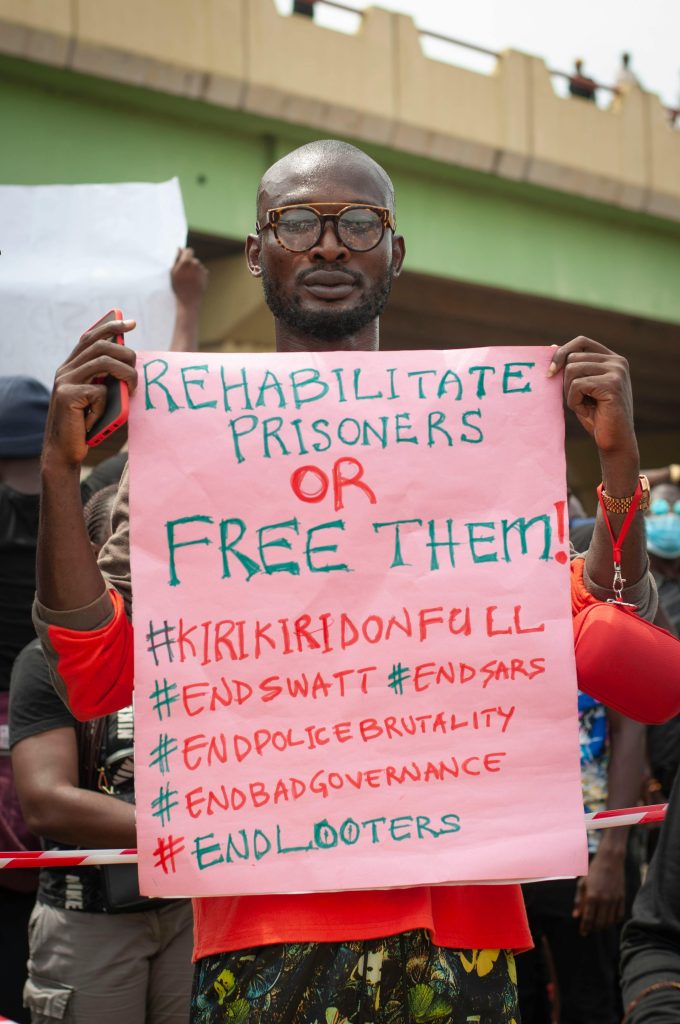
A man holding a sign during a protest advocating for prisoner reform and social justice.

FG Moves to Transform Correctional Centres into Agricultural Production Hubs

The Federal Government has unveiled plans to convert Nigeria’s correctional centres into productive agricultural and agribusiness hubs as part of broader reforms aimed at rehabilitation, economic empowerment, and food security. The initiative, which relies heavily on public-private partnerships (PPPs), represents a major shift from the traditional prison system toward a model focused on skills acquisition,

FG Moves to Transform Correctional Centres into Agricultural Production Hubs Read More »

Scroll to Top