How Insecurity, Rising Costs, Climate Shocks and Market Failures Are Pushing Farmers Out of Agriculture
Nigeria is witnessing a crisis that receives far less attention than it deserves. It is not a sudden disaster or a single event. It is a slow, painful, and largely unnoticed decline—the quiet extinction of the Nigerian farmer.
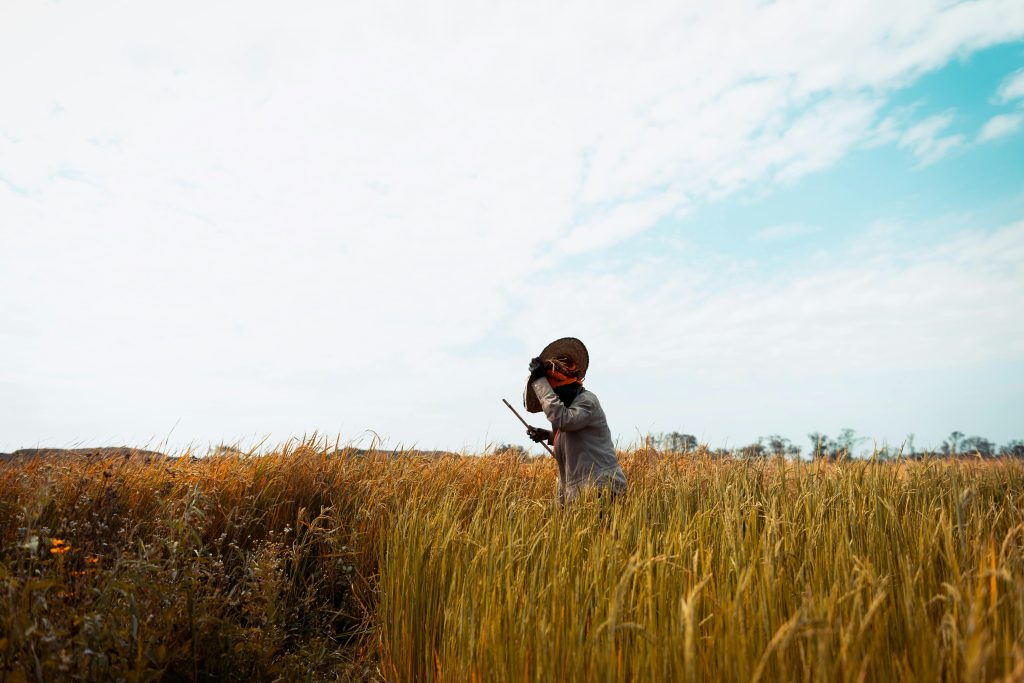
Across the country, thousands of farmers are gradually abandoning agriculture. Some have stopped planting entirely. Others have reduced the size of their farms, while many have moved into petty trading, transportation, or other informal activities just to survive.
The danger is that this crisis is unfolding silently.
Food still appears in the markets. Trucks still arrive from producing states. Consumers still buy rice, maize, tomatoes, cassava, onions, beans, and vegetables. Because food is still visible, many assume agriculture is functioning normally.
The reality on the ground tells a different story.
Farming Has Become Increasingly Dangerous
One of the biggest threats facing Nigerian agriculture today is insecurity.
Across many farming communities, particularly in the North-Central, North-West, and parts of the North-East, farmers live with constant uncertainty.
Many farmers now fear going to their farms because of:
- Bandit attacks
- Kidnapping
- Farmer-herder conflicts
- Armed robbery
- Destruction of crops
- Illegal occupation of farmlands
In some communities, farmers must pay unofficial levies to access their own farms. Others have completely abandoned fertile land because cultivating it has become too risky.
The consequences are severe.
When farmers cannot access their land:
- Cultivated acreage declines.
- Food production falls.
- Rural incomes collapse.
- Investment in agriculture slows.
- Food prices become unstable.
A farmer who fears for his life cannot focus on increasing productivity.
No agricultural policy can succeed if farmers cannot safely reach their farms.
The Ageing Farmer Problem
Nigeria’s farming population is ageing rapidly.
Many young people no longer see agriculture as an attractive career.
They see their parents struggling with:
- Low profits
- Poor infrastructure
- Lack of financing
- Market exploitation
- Security threats
As a result, many young Nigerians migrate to urban centres in search of alternative livelihoods.
The result is a growing generational gap in agriculture.
While Nigeria’s population continues to expand, the number of active and committed farmers is shrinking in many regions.
If this trend continues, the country could face a severe shortage of agricultural producers in the coming decades.
Climate Change Is Making Farming More Difficult
The effects of climate change are becoming increasingly visible.
Farmers now face:
- Unpredictable rainfall patterns
- Extended drought periods
- Severe flooding
- Heat stress
- Increased pest outbreaks
- Soil degradation
Traditional farming calendars are no longer reliable.
Many farmers plant based on historical weather patterns only to experience unexpected droughts or floods that destroy entire harvests.
For smallholder farmers operating with limited capital, a single failed season can push a family into poverty.
Repeated climate shocks are forcing many farmers to give up agriculture altogether.
Rising Production Costs Are Crushing Profitability
The cost of farming has increased dramatically over the past few years.
Farmers face rising prices for:
- Fertilizers
- Seeds
- Agrochemicals
- Fuel
- Transportation
- Labour
- Machinery
While input costs continue to rise, many farmers struggle to sell their produce at profitable prices.
This creates a dangerous imbalance.
A farmer may spend significantly more to produce crops but earn little or no additional income at harvest.
For many producers, farming has become a high-risk activity with increasingly uncertain returns.
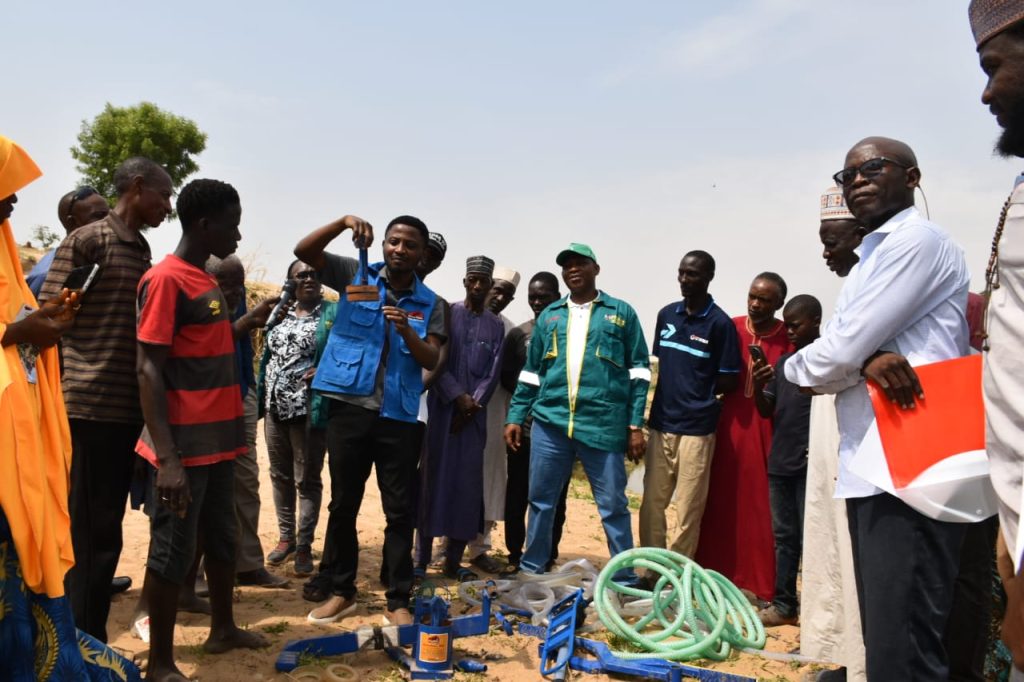
Poor Water Access Is Destroying Productivity
Water remains one of the most overlooked challenges facing Nigerian agriculture.
Despite Nigeria’s vast water resources, many farmers still depend entirely on rainfall.
When rains fail, production suffers immediately.
Large numbers of farmers lack access to:
- Irrigation systems
- Boreholes
- Water storage facilities
- Efficient water distribution networks
The result is low productivity and vulnerability to climate shocks.
Livestock farmers face similar challenges as shrinking water availability affects animal health and production.
Without reliable water infrastructure, achieving year-round farming remains difficult.
Post-Harvest Losses Continue to Drain Farmer Income
Even when farmers produce successfully, many lose substantial portions of their harvest after production.
Poor storage facilities, weak logistics systems, inadequate processing capacity, and limited cold-chain infrastructure contribute to significant post-harvest losses.
In some value chains, farmers lose a substantial share of their produce before it reaches consumers.
These losses represent wasted labour, wasted investment, and lost income.
Farmers Remain Trapped by Weak Market Structures
Many Nigerian farmers still operate without access to structured markets.
After harvest, they often face:
- Price manipulation
- Market uncertainty
- Information gaps
- Limited bargaining power
Without access to reliable market intelligence, farmers frequently sell produce at prices below its true value.
This discourages investment and limits income growth.
The inability to connect production with profitable markets remains one of agriculture’s biggest challenges.
Why This Matters to Every Nigerian
The extinction of farmers is not only an agricultural issue.
It is a national economic issue.
When farmers disappear:
- Food production declines.
- Food prices increase.
- Rural unemployment rises.
- Poverty deepens.
- Inflation worsens.
- Food imports increase.
- National food security weakens.
Every Nigerian ultimately feels the impact.
Agriculture remains one of the country’s largest employers and a major contributor to economic stability.
A nation that loses its farmers risks losing control of its food system.
Commodity.ng Insight: The Crisis Is Bigger Than Production
At Commodity.ng, we believe the challenge facing Nigerian agriculture is not simply a shortage of farmers.
The bigger problem is that many farmers operate without the systems needed to succeed in a modern agricultural economy.
The future of Nigerian agriculture will depend on how effectively the country can address the structural issues surrounding:
- Security
- Market access
- Data availability
- Irrigation
- Financing
- Mechanisation
- Processing
- Storage
- Value addition
The conversation must move beyond increasing production alone.
We must focus on making agriculture profitable, resilient, and attractive enough for the next generation to embrace.
Conclusion
The quiet extinction of the Nigerian farmer is one of the greatest threats to the country’s future food security.
The warning signs are already visible.
Farmers are abandoning land. Young people are leaving agriculture. Production risks are rising. Costs continue to increase. Insecurity persists.
Yet this decline is not inevitable.
With the right investments, stronger institutions, improved security, better infrastructure, and data-driven agricultural planning, Nigeria can reverse the trend and build a thriving agricultural economy.
The survival of the Nigerian farmer is not just about farming.
It is about food security, economic growth, national stability, and the future prosperity of Nigeria itself.
Discover more from Commodity Nigeria
Subscribe to get the latest posts sent to your email.