You Too Can Be a Farmer in Nigeria
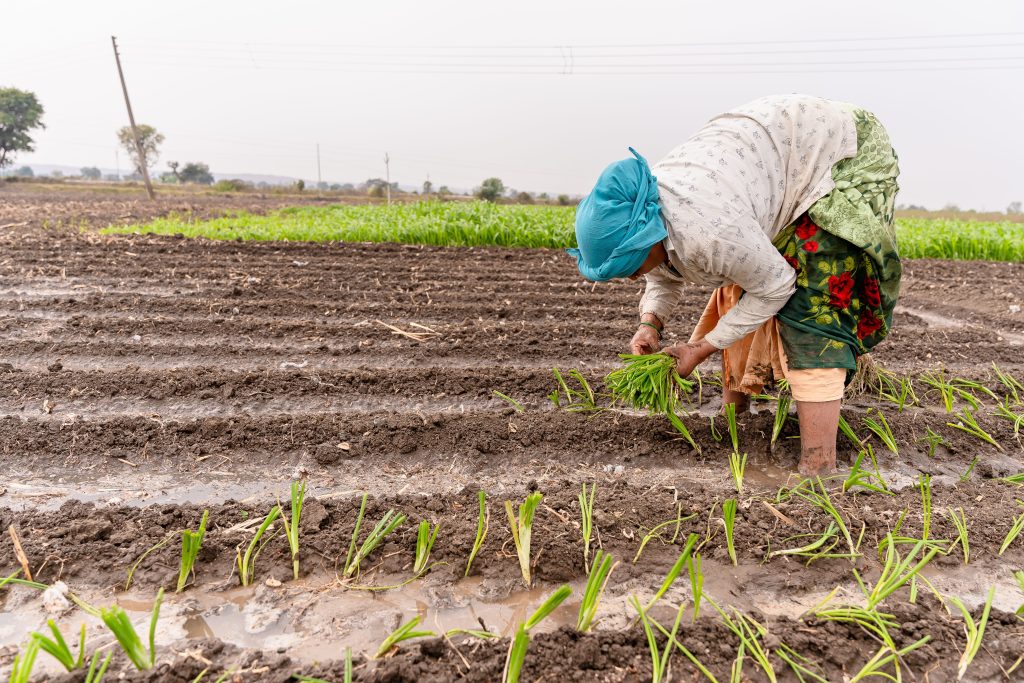
For many Nigerians, the word farmer still brings to mind an elderly man in a remote village, bent over a hoe under the hot sun. For decades, farming was often viewed as a last resort—a profession people entered only when other opportunities were unavailable.
That perception is changing rapidly.
Across Nigeria, a new generation of farmers is emerging. They are young professionals in Lagos, teachers in Enugu, civil servants in Abuja, traders in Kano, students in Ibadan, and retirees in Port Harcourt. Many of them never studied agriculture, inherited farmland, or came from farming families. Yet they are discovering that agriculture is no longer just about survival—it is becoming one of the most promising pathways to wealth creation, entrepreneurship, and economic independence.
The truth is simple: you too can be a farmer in Nigeria.
Today, Nigeria’s population exceeds 200 million people and continues to grow. Every day, millions of households need food. Restaurants, hotels, supermarkets, food processors, exporters, and industries all depend on agricultural products.
Yet despite its enormous agricultural potential, Nigeria still struggles to produce enough food to meet local demand. The result is a massive supply gap that presents tremendous opportunities for those willing to participate in agriculture.
This opportunity is not limited to wealthy investors or large landowners. Modern agriculture has created entry points for virtually everyone.
One of the biggest myths about farming is that it requires hundreds of hectares of land and millions of naira in capital. While large-scale farming certainly exists, many successful agribusinesses started on a much smaller scale.
Urban farming is becoming increasingly popular. Across major cities, people are growing vegetables, herbs, peppers, tomatoes, and fruits in sacks, containers, backyards, rooftops, and small plots of land. What was once considered impossible in urban areas is now generating income for thousands of households.
With a modest investment, aspiring farmers can begin producing vegetables for local markets and gradually expand operations as experience and confidence grow.
Livestock farming offers another attractive entry point. Poultry, snail farming, rabbit production, beekeeping, and fish farming require relatively small spaces and can generate steady returns when properly managed.
Snail farming, in particular, has attracted growing attention due to its low startup costs and increasing demand from restaurants, hotels, and households. Catfish farming continues to provide opportunities for entrepreneurs across both urban and rural communities, while poultry production remains one of Nigeria’s most active agricultural enterprises.
However, agriculture extends far beyond planting crops and raising animals.
Many profitable opportunities exist throughout the agricultural value chain. Some entrepreneurs specialize in processing cassava into garri, starch, flour, and industrial products. Others process tomatoes, spices, grains, palm produce, fruits, and vegetables into higher-value products.
There are opportunities in packaging, transportation, storage, marketing, exportation, agricultural consultancy, equipment leasing, irrigation services, input supply, and commodity trading.
Technology is creating even more possibilities.
Young Nigerians are increasingly building careers around digital agriculture by offering services such as drone mapping, precision farming, farm management software, weather advisory services, soil testing, market intelligence, and online produce aggregation.
Agriculture today is no longer isolated from innovation. Smartphones, mobile applications, digital marketplaces, satellite technology, and artificial intelligence are gradually transforming how food is produced, marketed, and distributed.
Learning has also become easier than ever before.
Through YouTube tutorials, online courses, WhatsApp communities, webinars, and agricultural training programmes, aspiring farmers can acquire practical knowledge without stepping into a classroom.
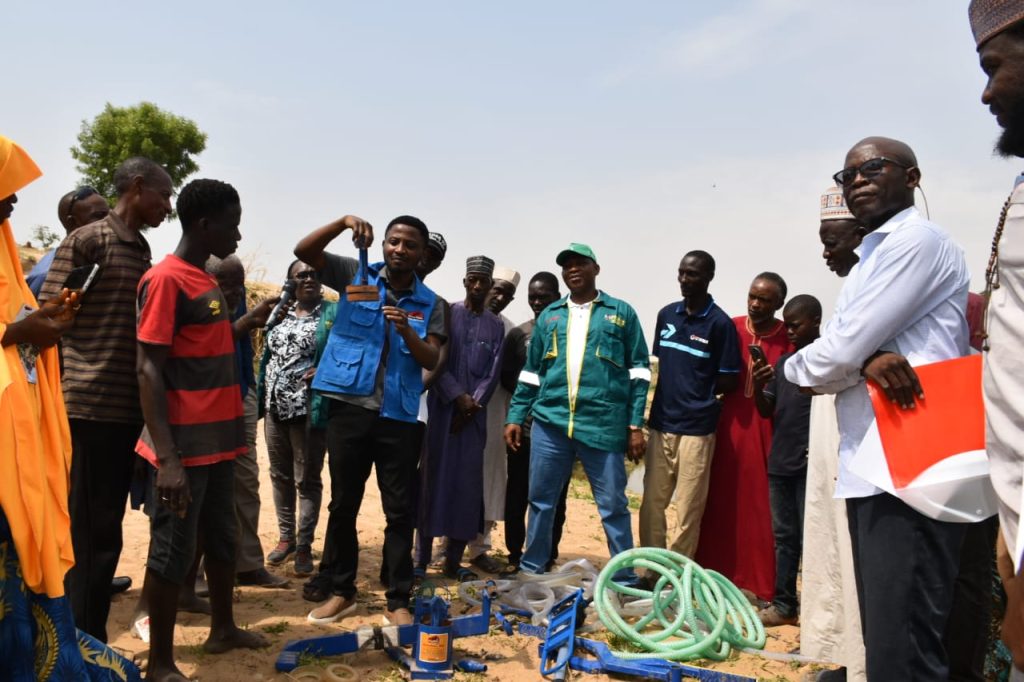
Government agencies, development organisations, cooperatives, and private companies regularly organize training programmes designed to support young people and first-time farmers.
In addition, several states provide access to subsidised seedlings, fertilisers, tractors, extension services, and agricultural support programmes aimed at encouraging participation in the sector.
Perhaps one of the most attractive aspects of agriculture is its flexibility.
You do not need to quit your job to become a farmer. Many Nigerians operate successful farms while maintaining careers in banking, education, healthcare, engineering, and public service.
Some visit their farms on weekends. Others hire managers or partner with experienced farmers. Cooperative farming models also allow groups of individuals to pool resources, lease land, share risks, and split profits.
Agriculture can therefore start as a side business and gradually evolve into a full-time enterprise.
Beyond financial rewards, farming offers something many professions cannot easily provide: purpose.
In a country facing rising unemployment, food inflation, and growing concerns about food security, every new farmer contributes to a larger national mission. Producing food supports communities, creates jobs, strengthens local economies, and reduces dependence on imports.
Every successful farm helps feed families and contributes to national development.
Like every business, agriculture comes with challenges. Farmers must contend with fluctuating market prices, climate risks, pests and diseases, inadequate infrastructure, insecurity, limited financing, and storage constraints.
However, these challenges are not barriers to success. They are realities that can be managed through planning, training, partnerships, technology adoption, and continuous learning.
Across Nigeria, countless farmers continue to build profitable enterprises despite these obstacles.
Their success demonstrates an important lesson: agriculture rewards patience, consistency, and innovation.
The future of Nigerian agriculture will not be built solely by governments, corporations, or large commercial farms. It will also be built by ordinary Nigerians who choose to take advantage of the opportunities available within the sector.
Whether you start with vegetables in your backyard, a small fish pond, a poultry unit, a snail pen, an agro-processing venture, or an agricultural technology service, the most important step is simply to begin.
Nigeria needs more food producers. It needs more agripreneurs. It needs more young farmers, women farmers, urban farmers, processors, exporters, and innovators.
The opportunity is here.
The market is waiting.
And the next successful farmer could be you.
Commodity.ng Insight
Agriculture remains one of the few sectors in Nigeria where small investments can still grow into substantial businesses over time. While many industries require significant capital and specialized qualifications, agriculture offers multiple entry points for people with different skills, backgrounds, and financial capacities.
The future of farming will not belong only to those who own vast land holdings. It will increasingly belong to those who combine agriculture with technology, innovation, market knowledge, and entrepreneurship.
Bottom Line: Nigeria’s food demand continues to rise, creating opportunities across the agricultural value chain. Whether as a producer, processor, marketer, logistics provider, or technology innovator, there has never been a better time to explore agriculture as a pathway to income, impact, and long-term growth.
Discover more from Commodity Nigeria
Subscribe to get the latest posts sent to your email.