Climate change is increasingly reshaping Nigeria’s rural economy, but new research suggests that the story is more complex than drought alone. While shrinking grazing land and erratic rainfall remain key triggers of farmer–herder clashes, evidence now shows that social and religious identity can significantly influence how these conflicts escalate—turning resource competition into cycles of violence in some regions.
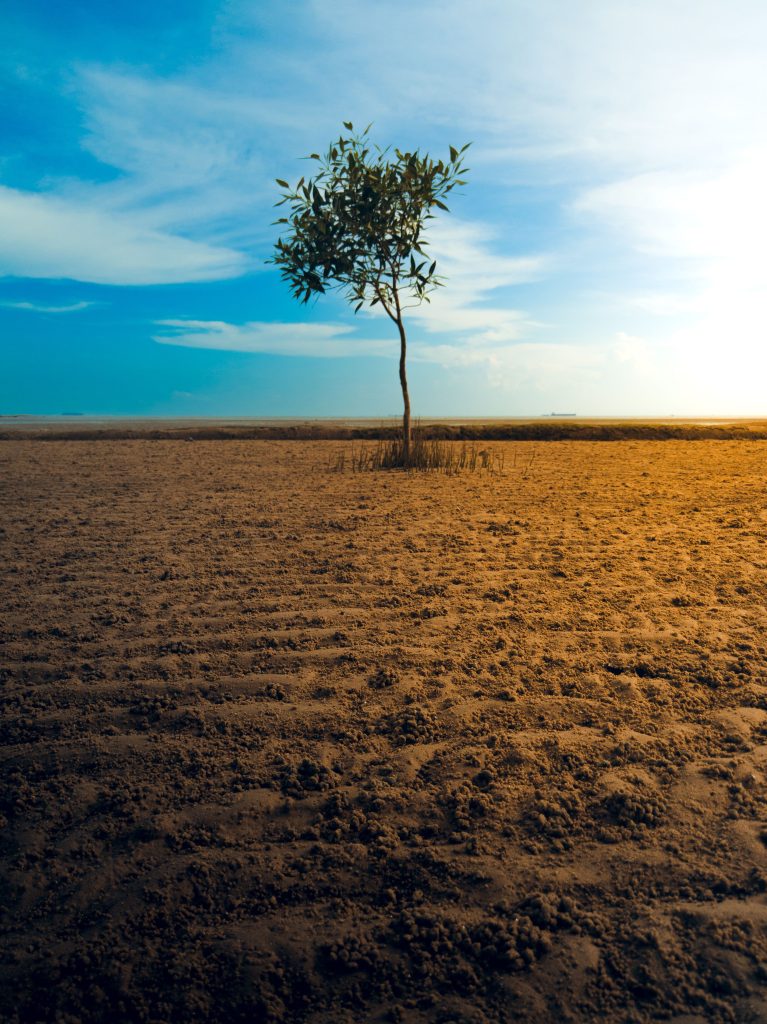
Across the Sahel, rising temperatures, desertification, and prolonged droughts have forced pastoralist communities—particularly Fulani herders—to move further south in search of pasture and water. This movement brings them into closer contact with sedentary farming communities, intensifying competition over land and water resources.
However, studies from the WZB Berlin Social Science Center indicate that environmental stress alone does not fully explain the intensity and distribution of violence. Instead, conflict patterns are strongly shaped by where ecological pressure overlaps with religious and ethnic boundaries.
When Environmental Pressure Meets Social Fault Lines
Nigeria’s Middle Belt has emerged as a major hotspot for farmer–herder clashes. This region is characterized by a mix of predominantly Christian farming communities and Muslim pastoralist groups. According to researchers, this religious and cultural separation can deepen mistrust and increase the likelihood of violent confrontation when disputes over land arise.
Where communities share a common religious identity, disputes are more likely to be resolved through traditional and religious mediation systems. But where identity differences are sharp, particularly along religious lines, disputes are more likely to escalate beyond negotiation.
The implication is clear: drought may create the pressure, but identity determines how that pressure is released.
Climate Change as a Conflict Multiplier
Nigeria is already experiencing the consequences of climate variability:
- Reduced rainfall in northern regions
- Expanding desertification in the Sahel belt
- Drying of grazing reserves and water points
- Increased competition for shrinking arable land
These environmental changes have pushed pastoral routes further into farming communities, disrupting long-established land-use patterns.
As grazing lands diminish, herders are often forced into migration cycles that overlap with planting and harvest seasons, increasing the chances of crop destruction and retaliation.
Rising Insecurity in Rural Communities
Beyond environmental stress, insecurity has become a defining feature of rural Nigeria.
Farmer–herder clashes have, in many cases, evolved into broader cycles of violence involving:
- Armed bandit groups operating in rural corridors
- Community militias formed for self-defense
- Kidnapping for ransom along farming routes
- Attacks on villages and destruction of farmland
- Mass displacement of rural populations
In parts of the Middle Belt, entire communities have been displaced into internally displaced persons (IDP) camps, with farmland abandoned and agricultural activity severely reduced.
This disruption has long-term consequences for food production and rural stability.
Competing Narratives Deepen Tensions
Research findings highlight a critical divide in perception:
- Many farming communities interpret conflicts through a religious lens
- Many pastoralist communities emphasize environmental and economic pressures
These contrasting interpretations make it harder to build shared understanding or develop unified solutions.
Where one group sees survival-driven migration, another sees deliberate encroachment. Where one sees land scarcity, another sees identity-based aggression.
This gap in perception often fuels mistrust and retaliation.
The Hidden Economic Cost of Rural Conflict
The impact of farmer–herder violence extends far beyond immediate casualties.
It affects:
- Agricultural output and food supply chains
- Rural employment and income stability
- Market prices for staple crops
- Investment in rural infrastructure
- National food security planning
Nigeria loses significant productive capacity when farmers abandon fertile land due to insecurity. In many affected regions, once-thriving farming communities have become partially or fully inactive.
Toward Sustainable Peace in Agricultural Communities
Experts emphasize that solutions must go beyond security response alone. Sustainable stability will require:
- Improved land-use planning and grazing reserves
- Conflict-sensitive resource management systems
- Community-based mediation structures
- Early warning systems for climate-related migration pressures
- Stronger collaboration between local authorities and traditional institutions
Without addressing both environmental stress and social fragmentation, conflict risks will continue to rise.
Commodity.ng Insight
The intersection of climate change, resource scarcity, and identity-based mistrust is reshaping Nigeria’s agricultural landscape.
From a systems perspective, farmer–herder conflict is not just a security issue—it is a structural agricultural failure driven by:
- Poor land governance
- Weak resource mapping systems
- Limited water infrastructure
- Climate vulnerability
- Breakdown of rural conflict resolution systems
Nigeria’s food security challenge cannot be solved without stabilizing rural production zones. Every disrupted farming community represents lost output, higher market prices, and increased import dependency.
The future of agriculture will depend not only on increasing production, but on protecting the environments where production happens. Data-driven land planning, climate intelligence, and structured agricultural systems will be critical in reducing uncertainty and rebuilding trust across farming and pastoral communities.
Ultimately, food security begins with stability in the field.
Discover more from Commodity Nigeria
Subscribe to get the latest posts sent to your email.