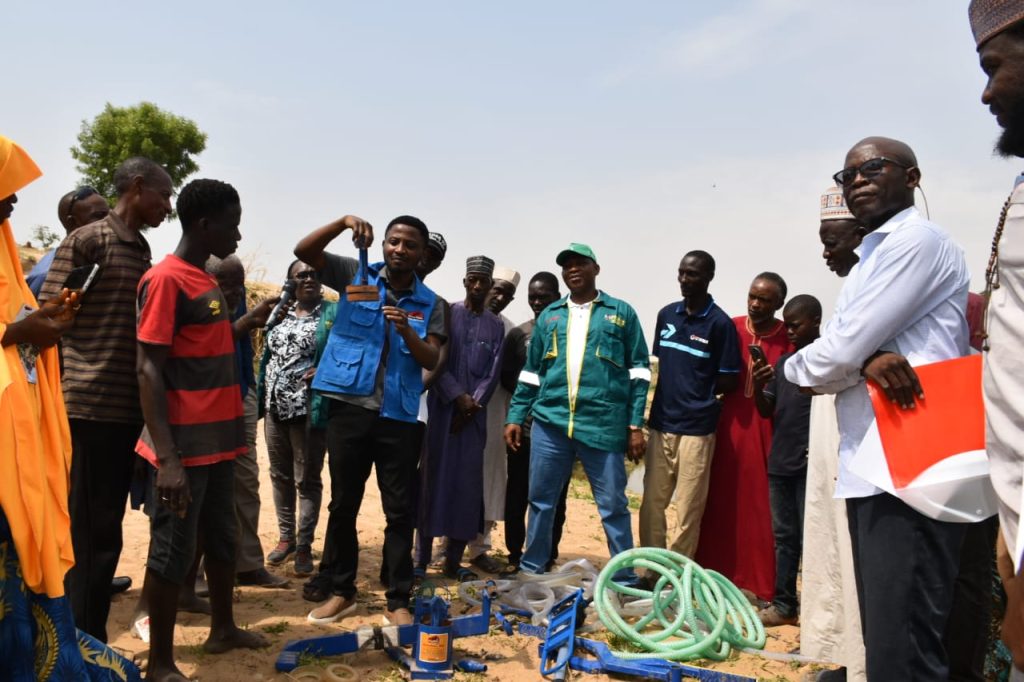
In a recent interview on Tiktok by a leading Agro company in Nigeria, Ibrahim Muhammed (IBM Bangis), the co-founder of commodity.ng stressed the importance of water to the daily survival of crops and animals in Nigeria. He made the following statements… Water is the foundation of agriculture. Without it, crops cannot grow, livestock cannot survive, and food production becomes impossible. Yet across Nigeria, thousands of farmers are battling one of the most overlooked challenges in the agricultural sector—poor access to water.
While the conversations centered around food security, fertilizers, improved seeds, mechanization, and financing, water remains the single most important resource required for agricultural production. Unfortunately, many Nigerian farmers still depend almost entirely on rainfall, leaving them vulnerable to drought, changing weather patterns, and prolonged dry seasons.
The consequences are becoming increasingly severe. Every day, farmers lose crops, livestock, income, and investment simply because they cannot access sufficient water when they need it most.
A Growing Crisis Across Farming Communities
According to Ibrahim Muhammed (IBM Bangis), Co-founder of Commodity.ng, poor water access has quietly become one of the biggest threats to Nigeria’s food security ambitions.
“Many people see food shortages and rising prices in the market, but they do not always see the struggles happening on farms. Across the country, farmers are watching crops dry up while livestock producers are spending huge amounts of money trying to provide water for their animals. In many communities, water scarcity is destroying livelihoods,” he said.
For millions of smallholder farmers, agriculture remains heavily dependent on seasonal rainfall. When rains arrive late, stop early, or become irregular, farmers often have few alternatives.
In northern Nigeria particularly, recurring droughts, shrinking water bodies, and desertification are placing additional pressure on farming communities. Meanwhile, farmers in other regions face challenges linked to poor irrigation infrastructure and inadequate water storage systems.
Crops Are Dying Before Harvest
One of the most devastating impacts of poor water access is crop failure.
Farmers invest heavily in land preparation, seeds, fertilizer, labour, and transportation. However, without sufficient water, months of hard work can be lost within weeks.
Maize, rice, vegetables, tomatoes, onions, cassava, and other staple crops all require consistent moisture during critical growth stages. When water becomes unavailable, yields decline sharply, quality deteriorates, and entire harvests may be lost.
According to IBM Bangis, many farmers are now experiencing reduced productivity not because they lack knowledge or inputs, but because they lack reliable water sources.
“Farmers are doing their best. They are planting, investing, and adopting better practices. But when water is unavailable, everything else becomes irrelevant. You cannot grow food without water,” he explained.
Livestock Farmers Also Under Pressure
The water crisis extends beyond crop production.
Livestock farmers across Nigeria are facing increasing difficulties providing adequate water for cattle, sheep, goats, poultry, and fish farms.
Animals require clean water daily for survival, growth, and reproduction. When water becomes scarce, livestock productivity declines significantly.
Poor water availability can lead to:
- Reduced weight gain.
- Lower milk production.
- Increased disease outbreaks.
- Higher mortality rates.
- Reduced reproductive performance.
- Increased production costs.
For many livestock producers, water transportation has become a major operational expense, reducing profitability and threatening business sustainability.
Climate Change Is Making Matters Worse
Climate change is amplifying water challenges across the country.
Unpredictable rainfall patterns, prolonged dry spells, rising temperatures, and extreme weather events are making agricultural planning increasingly difficult.
Farmers who once relied on traditional weather cycles now face growing uncertainty.
According to IBM Bangis, climate adaptation can no longer be treated as a future concern.
“The climate has changed. Farming today is not the same as farming twenty years ago. We must recognize that water management is now a strategic issue for food security, economic growth, and national stability.”
Irrigation Remains Underdeveloped
Despite Nigeria’s enormous agricultural potential, irrigation coverage remains relatively low compared to the country’s total cultivable land.
Millions of hectares of farmland still depend entirely on rainfall.
This limits productivity, restricts year-round farming, and exposes farmers to seasonal risks.
Countries that have achieved major agricultural growth have done so largely through investments in irrigation, water management systems, and efficient resource utilization.
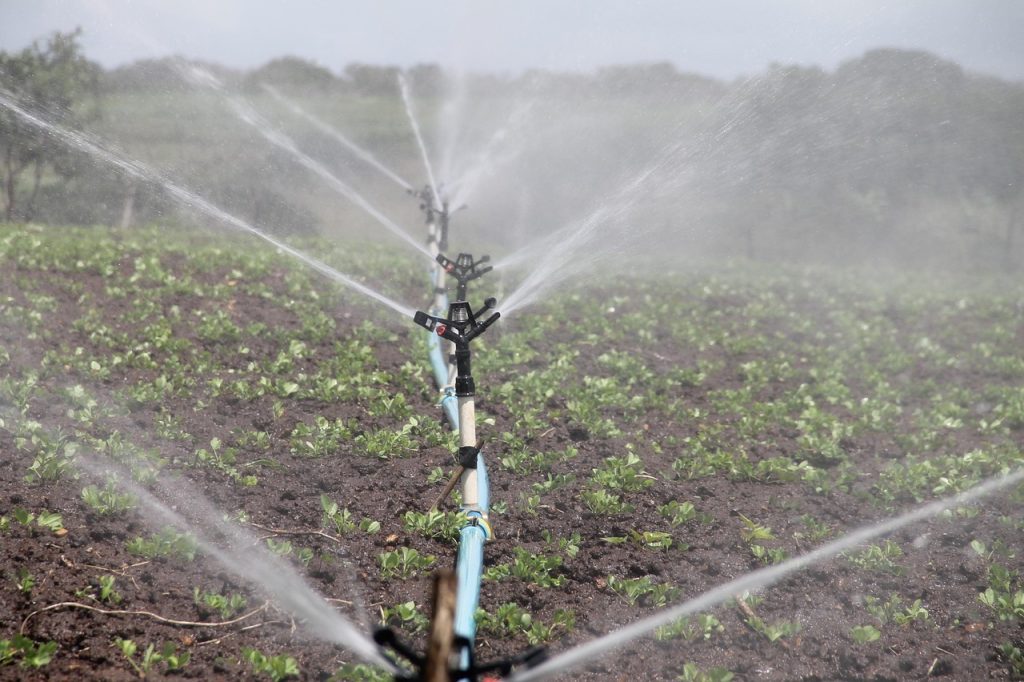
Expanding irrigation infrastructure would allow Nigerian farmers to increase production cycles, improve yields, and reduce vulnerability to climate shocks.
Food Security Starts with Water Security
Nigeria’s growing population requires a stronger and more resilient food production system.
However, food security cannot be achieved without addressing water security.
Every bag of rice, maize, tomatoes, vegetables, poultry products, milk, and livestock sold in the market depends on water somewhere along the production chain.
When farmers lack water, food production falls. When production falls, prices rise. When prices rise, food becomes less affordable for millions of Nigerians.
The connection between water access and food affordability is direct and undeniable.
The Need for Long-Term Investment
IBM Bangis believes that Nigeria must place greater emphasis on water infrastructure as part of its agricultural development strategy.
This includes:
- Expansion of irrigation systems.
- Development of farm water reservoirs.
- Improved borehole access in farming communities.
- Water harvesting technologies.
- Climate-smart water management practices.
- Farmer education on efficient water use.
- Increased investment in rural water infrastructure.
According to him, solving the water challenge would unlock enormous agricultural potential across the country.
Looking Ahead
Nigeria possesses vast agricultural resources, fertile land, and a large population of hardworking farmers. Yet the full potential of the sector cannot be realized if farmers continue to struggle for access to one of agriculture’s most basic necessities.
As the nation pursues greater food security and agricultural transformation, water must move from being an afterthought to becoming a central pillar of policy and investment.
As Ibrahim Muhammed (IBM Bangis), Co-founder of Commodity.ng, emphasizes:
“When farmers have access to water, they can produce more food, create more jobs, generate more income, and strengthen food security. If we are serious about transforming agriculture, then we must be serious about solving the water challenge facing Nigerian farmers today.”
Discover more from Commodity Nigeria
Subscribe to get the latest posts sent to your email.