Smallholder farmers remain the foundation of Nigeria’s food system, producing the majority of the food consumed across the country. From rice and maize to cassava, yam, and vegetables, their contribution sustains millions of households and keeps local markets active. Despite this enormous responsibility, many farmers continue to struggle with low productivity, poor access to finance, climate-related disruptions, and declining soil fertility.
Across Nigeria, limited access to improved seeds, fertilizers, mechanization, and reliable farming knowledge continues to reduce harvest potential. Environmental degradation is also becoming a major concern, with millions of hectares of farmland losing fertility due to erosion, overuse, and climate stress. Rising temperatures, irregular rainfall, floods, droughts, and pest outbreaks are further increasing uncertainty for farmers and threatening the country’s long-term food security.
However, experts believe the country already possesses many of the solutions required to reverse these challenges. The major task now is scaling those solutions quickly and ensuring they reach millions of farmers consistently.
Access to Quality Inputs and Practical Farming Knowledge
One of the most important drivers of agricultural productivity is timely access to quality farm inputs and extension support. Farmers who receive improved seeds, fertilizers, and agronomic guidance are more likely to achieve stronger yields and better income outcomes.
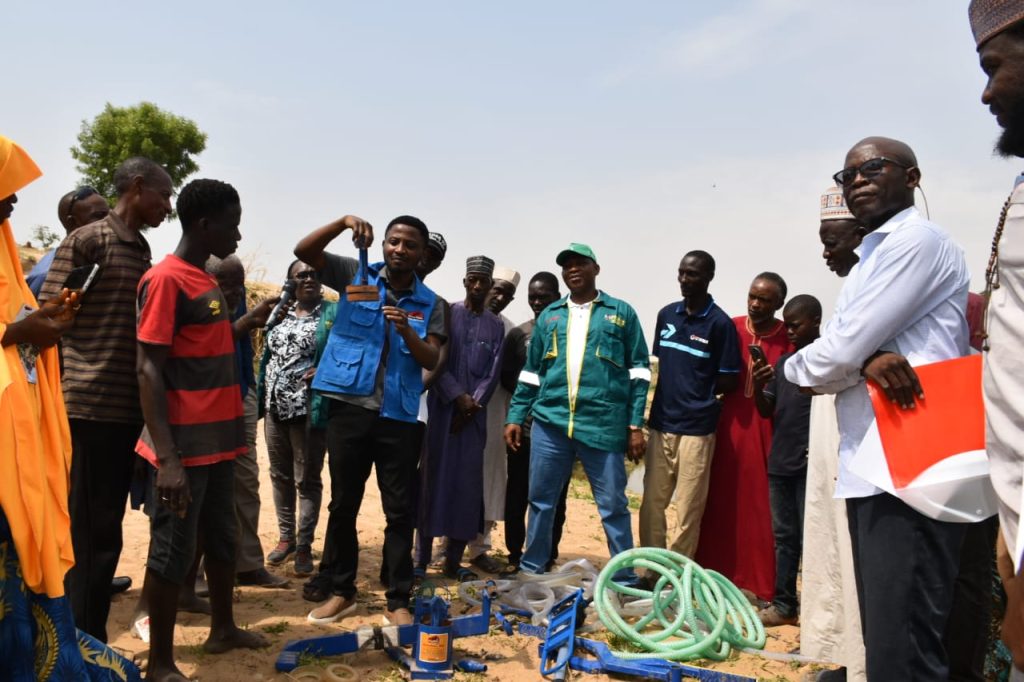
Organizations working within rural farming communities have demonstrated that providing farmers with input financing and extension support can significantly improve productivity and household earnings. Through field officers and community-based advisory systems, farmers are able to learn better planting methods, fertilizer application techniques, crop management strategies, and post-harvest practices.
The combination of affordable input access and practical education continues to prove effective in helping farmers maximize returns from limited farmland.
Integrated Pest Management (IPM)
Pests and crop diseases remain among the biggest causes of agricultural losses in Nigeria. In response, many agricultural programs are promoting Integrated Pest Management (IPM), which focuses on environmentally friendly pest control techniques that reduce dependence on excessive chemical use.
Youth involvement is also becoming increasingly important. Young agricultural extension agents and pest management champions are being trained to support farmers within their communities, helping spread modern pest-control practices while encouraging climate-smart farming methods among the next generation.
Digital Agriculture and Mobile Technology
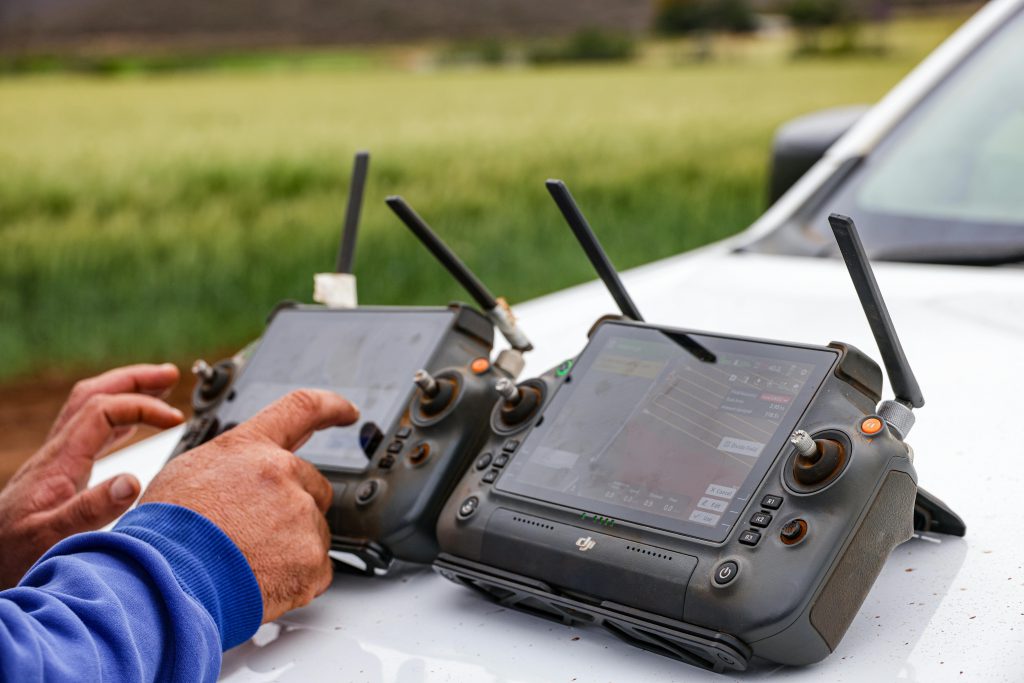
The rapid expansion of mobile phone usage in Nigeria is creating new opportunities for digital agriculture. Millions of farmers now have the potential to access weather updates, market information, agronomic advice, and extension support directly through their mobile devices.
Nigeria’s agricultural policies are increasingly supporting innovation, digitalization, and youth participation in agriculture. Digital advisory systems are already helping farmers make better planting decisions by providing rainfall forecasts, seasonal alerts, and farming recommendations in real time.
With access to accurate information, farmers can reduce risks associated with unpredictable weather conditions and improve productivity through more informed decision-making.
Climate-Smart Agriculture and Soil Health
Healthy soil remains one of the most critical components of sustainable farming. Across Nigeria, farmers are adopting climate-smart practices such as composting, agroforestry, mulching, and tree planting to improve soil fertility and restore degraded farmland.
Tree planting, in particular, offers multiple benefits. Beyond improving soil quality, trees provide additional income opportunities through fruits, timber, and other agricultural products while helping communities adapt to climate change.
The increasing adoption of climate-smart farming practices shows that many Nigerian farmers are willing to invest in long-term sustainability when the right support systems are available.
The Need to Scale What Works
Nigeria already has strong foundations for agricultural transformation through supportive government policies, development programs, digital innovation, and farmer participation. The next step is expanding successful models nationwide.
This includes increasing access to affordable agricultural financing, improving extension systems, strengthening storage and processing infrastructure, and reducing post-harvest losses that continue to erode farmer income.
Greater collaboration between government agencies, agribusinesses, technology platforms, financial institutions, and farming communities will be essential in scaling agricultural innovation and building resilience across the food system.
Commodity.ng Insight
Nigeria’s agricultural challenge is no longer simply about production — it is increasingly about access to accurate, timely, and actionable data.
Farmers today face an information gap as much as they face a financing gap. Many smallholder farmers still make planting, pricing, storage, and selling decisions without access to reliable market intelligence, weather forecasts, commodity trends, or buyer demand signals. This creates inefficiencies across the agricultural value chain and limits profitability.
This is where digital commodity intelligence platforms like Commodity.ng can play a transformative role.
Data-driven agriculture has the power to help farmers transition from reactive farming to informed decision-making. Through commodity price tracking, market trend analysis, regional demand insights, and supply chain intelligence, farmers and agribusinesses can better understand what to produce, when to sell, where demand exists, and how to maximize profitability.
How Commodity.ng Can Help Achieve These Objectives
Market Price Transparency
One of the biggest problems farmers face is poor price discovery. Many producers sell commodities below market value due to limited access to real-time pricing information.
Commodity.ng can bridge this gap by providing transparent commodity pricing data across different regions and markets, helping farmers negotiate better and reduce exploitation by middlemen.
Data-Driven Planting Decisions
By analyzing commodity demand trends and seasonal market behavior, farmers can make smarter production decisions based on profitable crops and emerging market opportunities rather than assumptions.
This reduces oversupply, improves profitability, and strengthens food system efficiency.
Weather and Climate Intelligence
Integrating weather forecasts, rainfall tracking, and climate-risk alerts into agricultural platforms can help farmers reduce losses from unpredictable weather conditions.
Access to localized climate data allows farmers to adjust planting schedules, irrigation plans, and harvesting timelines more effectively.
Connecting Farmers to Buyers and Processors
Digital commodity ecosystems can help farmers access larger markets by connecting them directly with processors, aggregators, exporters, and institutional buyers.
This improves market access, increases income opportunities, and reduces post-harvest waste caused by poor market linkage systems.
Financial Inclusion Through Agricultural Data
Reliable production and transaction data can also help financial institutions assess farmer credibility more accurately. This creates opportunities for credit access, insurance products, and input financing tailored to agricultural realities.
Over time, data-backed financing models could significantly improve investment in Nigeria’s agricultural sector.
Final Commodity.ng Perspective
The future of Nigerian agriculture will depend not only on seeds, fertilizers, and machinery, but also on information infrastructure. Countries that successfully modernize agriculture are those that combine physical farming with digital intelligence.
Nigeria’s farmers already possess the determination and scale required to feed the nation. What they increasingly need are smarter systems, stronger market access, climate resilience tools, and reliable agricultural data.
Platforms like Commodity.ng represent an important step toward building a more transparent, efficient, and data-driven agricultural economy — one where farmers can grow more, earn more, and make decisions with confidence.
Discover more from Commodity Nigeria
Subscribe to get the latest posts sent to your email.