
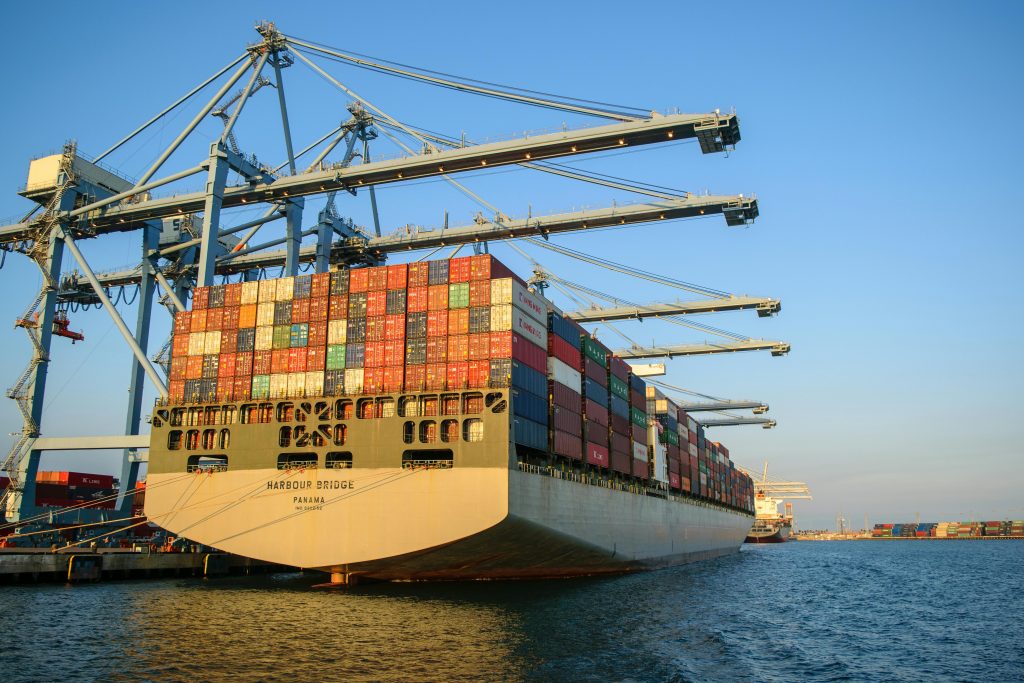
Agricultural trade relations between United States and Nigeria are projected to exceed $700 million in 2025, driven largely by rising wheat exports from the U.S. into the Nigerian market.
This development was revealed by the U.S. Agricultural Counselor, Chris Bielecki, in a statement shared by the U.S. Mission Nigeria on X.
Wheat continues to play a major role in Nigeria’s food consumption chain, serving as a key ingredient in bread, noodles, pastries, and several other fast-moving food products. The strong and steady demand for these staples has continued to sustain large-scale wheat importation despite ongoing efforts to boost local agricultural production.
According to Bielecki, agricultural trade between both countries is expected to more than double in 2025, creating economic opportunities for farmers, agribusinesses, processors, and consumers across both nations.
He further disclosed that Nigeria currently ranks as the third-largest destination for U.S. wheat exports globally. The latest shipment was reportedly acquired by Flour Mills of Nigeria, one of the country’s biggest wheat importers and processors.
Bielecki emphasized that the growing trade relationship not only supports American wheat farmers but also strengthens Nigeria’s food processing industry by enabling local companies to create jobs and expand value-added production.
The statement followed a visit by Bielecki alongside the U.S. Consul General, Rick Swart, to the Apapa Port in Lagos, where they observed the discharge of approximately 50,000 metric tonnes of U.S.-grown wheat valued at nearly $15 million.
Commodity.ng Insight
The projected rise of Nigeria-U.S. agricultural trade beyond $700 million highlights a deeper reality about Nigeria’s food economy — the country’s heavy dependence on imported staple commodities remains structurally significant.
For Nigeria, wheat is no longer just a food commodity; it has become a strategic economic input tied directly to food security, inflation, foreign exchange demand, and industrial processing. The continued rise in wheat imports signals that local production capacity still falls short of domestic consumption needs, especially for urban food products such as bread and noodles.
From a market perspective, this trend presents both opportunities and concerns.
On one hand, increased trade strengthens supply stability for food manufacturers and processors, helping companies maintain production volumes amid growing population demand. Large processors like Flour Mills of Nigeria benefit from reliable global supply chains that support employment, manufacturing growth, and food availability.
However, the long-term economic implication is the sustained pressure on Nigeria’s foreign exchange reserves due to massive agricultural imports. As import bills rise, the country becomes increasingly exposed to global commodity price volatility, shipping disruptions, currency depreciation, and international trade policy shifts.
Commodity.ng believes this development reinforces the urgent need for Nigeria to accelerate investment in local wheat cultivation, irrigation infrastructure, seed technology, mechanized farming, commodity aggregation, and agro-processing value chains. Strategic partnerships between government, private investors, and commodity platforms will be critical in reducing import dependence while improving productivity among local farmers.
The future of Nigeria’s agricultural economy will not only depend on trade relationships but on how effectively the country transforms consumption demand into local production capacity and value-chain industrialization.
Discover more from Commodity Nigeria
Subscribe to get the latest posts sent to your email.




Yo, checking out genzobetgiris was pretty chill. Easy to navigate, and the sign-up process was smooth. Definitely worth a look if you’re in the game. Check it out here! genzobetgiris