FG Launches Distribution of Over 515,000 Fertilizer Bags to Smallholder Farmers Nationwide
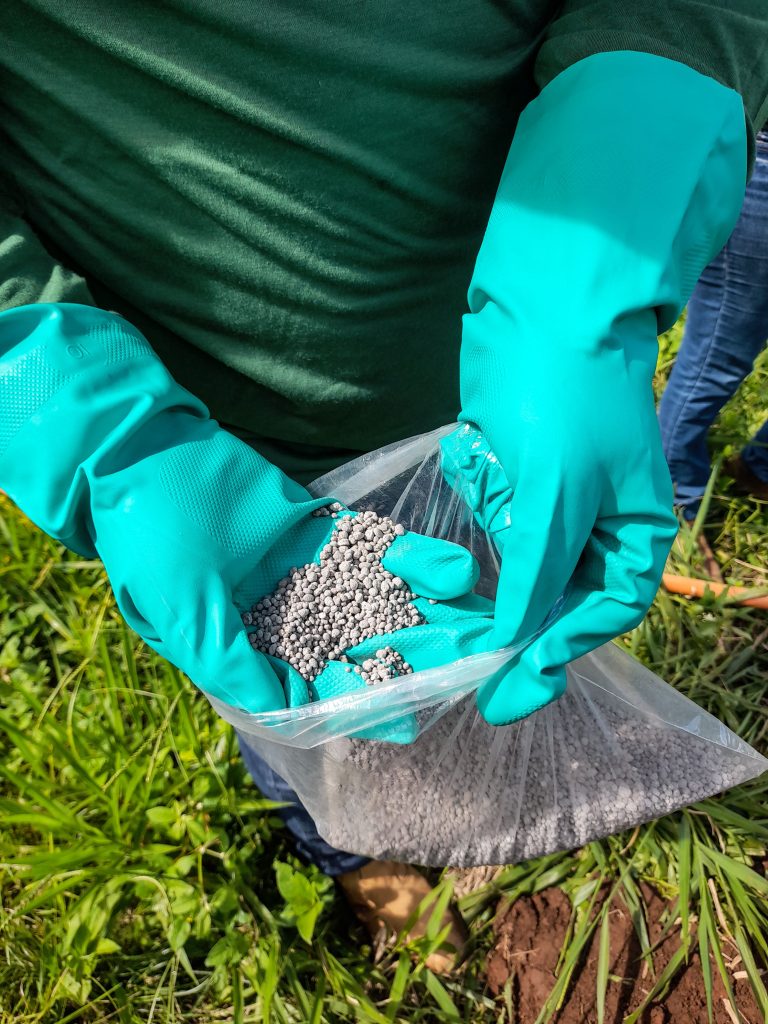
The Federal Government has commenced the nationwide distribution of 515,720 bags of fertilizer to support smallholder farmers under the National Agricultural Development Fund’s (NADF) Renewed Hope Farm Input Support Programme (FISP).
The initiative, officially launched in Abuja by Vice President Kashim Shettima through the Minister of State for Agriculture and Food Security, Dr. Aliyu Sabi Abdullahi, is expected to benefit 128,930 farmers across 25 states and the Federal Capital Territory (FCT).
The intervention forms part of the Federal Government’s broader strategy to increase agricultural productivity, strengthen food security and improve the livelihoods of farmers under President Bola Tinubu’s Renewed Hope Agenda.
According to the Vice President, the programme is specifically designed to support smallholder farmers cultivating less than 0.5 hectares of land, a category that accounts for a significant share of Nigeria’s food production.
He disclosed that 11,210 bags of fertilizer have been allocated to 2,930 registered farmers in the FCT, while the remaining supplies will be distributed across participating states.
Shettima noted that the distribution of 515,720 bags of urea and NPK fertilisers demonstrates the administration’s commitment to supporting farmers with critical inputs needed to boost crop yields and improve food production.
He urged all stakeholders involved in the programme to ensure transparency and accountability throughout the distribution process, emphasizing that the fertilizers must reach the intended beneficiaries, particularly women, youths and vulnerable farming households.
The Executive Secretary and Chief Executive Officer of the National Agricultural Development Fund (NADF), Mohammed Ibrahim, described the initiative as timely, noting that the intervention comes during a crucial period of the farming season when farmers require adequate inputs to maximize production.
He stated that the Farm Input Support Programme was developed to ensure that farmers receive the right agricultural inputs at the appropriate time, thereby reducing production costs and increasing productivity.
According to Ibrahim, food security remains central to Nigeria’s economic stability, job creation efforts and rural development objectives.
“Food security is not just an agricultural issue; it is fundamental to economic growth, poverty reduction and the welfare of millions of Nigerian households,” he said.
He further disclosed that all fertilizers being distributed under the programme are produced locally and have been clearly marked “Not for Sale” to prevent diversion and ensure accountability.
Also speaking at the event, Chairman of the House of Representatives Committee on Agriculture Production and Services, Bello Kaoje, described the initiative as a practical intervention aimed at combating hunger and increasing food production across the country.
He noted that access to fertilizer remains one of the biggest challenges facing many smallholder farmers and expressed confidence that the programme would contribute to improved yields, higher farm incomes and more stable food supplies.
The Federal Government reiterated its commitment to closely monitoring the implementation of the programme to ensure transparency, measure outcomes and assess its impact on agricultural productivity, food availability and rural livelihoods.
The intervention comes as Nigeria continues efforts to address food inflation, improve domestic agricultural production and strengthen national food security through targeted support programmes for farmers.
Discover more from Commodity Nigeria
Subscribe to get the latest posts sent to your email.