
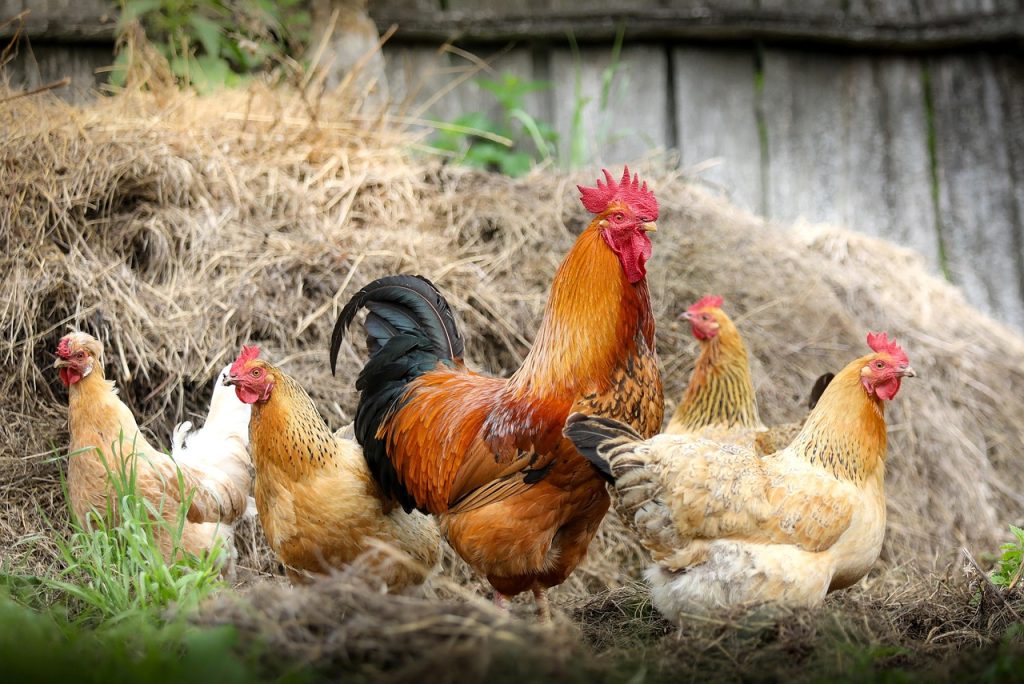
Nigeria Moves to Modernise Livestock Farming as Part of Food Security Drive
The Federal Government has intensified efforts to reform Nigeria’s livestock sector through a comprehensive programme aimed at modernising livestock production, reviving grazing reserves, and promoting ranching as a sustainable solution to food security challenges and farmer-herder conflicts.
The Senior Special Assistant to President Bola Tinubu on Livestock Development, Idris Ajimobi, disclosed this during an interactive session with journalists in Ibadan, Oyo State.
Ajimobi said the government, working through the newly established Ministry of Livestock Development, has commenced the rehabilitation of grazing reserves and ranches across the country as part of a broader strategy to transform the livestock industry and improve agricultural productivity.
According to him, work has already begun on the Kawu Grazing Reserve in the Federal Capital Territory, while authorities are conducting a nationwide assessment of Nigeria’s existing grazing reserves and ranches to determine those suitable for rehabilitation and modernization.
He revealed that the government is currently reviewing the status of the country’s 417 designated grazing reserves, many of which have suffered years of neglect and underutilization.
Ajimobi explained that the objective extends beyond infrastructure development, emphasizing that the initiative is designed to introduce modern livestock management practices, improve productivity, and create a pathway for the gradual adoption of ranching systems across the country.
“Our goal is not only to revive these reserves but also to modernize them and use them as platforms for the ranching model the government seeks to establish. Ranching has proven successful in several countries, and we believe it can also succeed in Nigeria,” he said.
He acknowledged that the scale of the project presents significant challenges, noting that some grazing reserves cover vast areas of land. The Kawu Grazing Reserve alone spans more than 10,000 hectares, requiring substantial investment and long-term planning.
To address these challenges, the government is engaging private sector investors, development institutions, and international partners interested in supporting livestock development projects in Nigeria.
“We have reached out to private investors and international organizations that have expressed interest in partnering with us to revive and modernize these facilities. This transformation requires collaboration and significant investment,” Ajimobi stated.
He further explained that the establishment of the Ministry of Livestock Development reflects the administration’s commitment to strengthening food security, improving nutrition, creating jobs, and unlocking the economic potential of Nigeria’s livestock industry.
According to him, President Bola Tinubu’s administration is targeting improvements in the availability of affordable animal protein, particularly milk and eggs, as part of broader efforts to improve nutrition and food access for Nigerian households.
Ajimobi also addressed concerns surrounding insecurity in rural communities and agricultural areas, noting that livestock reforms could contribute to reducing tensions between farmers and herders by encouraging settled livestock production systems.
He argued that the modernization of livestock farming, combined with greater community involvement in security initiatives, could help reduce conflicts and improve stability in rural areas.
On investment opportunities within the sector, Ajimobi disclosed that Nigeria has attracted growing international interest in livestock development.
He referenced agreements secured by the Federal Government, including a reported $1.5 billion investment arrangement involving JBS, one of the world’s largest meat processing companies, as well as partnerships with France in agriculture and livestock development.
He also highlighted a £100 million dairy production and processing agreement signed during recent engagements in the United Kingdom.
In addition, he revealed that discussions are ongoing with Saudi Arabian stakeholders interested in importing Nigerian bovine red meat, a development that could create new export opportunities and strengthen the country’s livestock value chain.
Industry observers believe that successful implementation of these reforms could significantly improve livestock productivity, increase domestic production of meat and dairy products, reduce import dependence, and create thousands of jobs across the agricultural value chain.
The livestock sector remains one of the most underdeveloped segments of Nigeria’s agricultural economy despite its enormous potential to contribute to food security, export earnings, rural development, and economic diversification.
Commodity.ng Insight / Digest
The government’s renewed focus on livestock development represents a major shift in Nigeria’s agricultural strategy. For decades, crop production has dominated agricultural policy discussions, while the livestock sector received relatively limited attention despite its significant contribution to food security and rural livelihoods.
The decision to revive grazing reserves and promote ranching could have far-reaching implications for both food production and security. If properly implemented, ranching systems can improve animal health, increase meat and milk yields, reduce grazing-related conflicts, and encourage private investment in livestock production.
Nigeria currently faces a significant deficit in dairy and livestock products, forcing the country to spend substantial foreign exchange on imports. Improving local production could help reduce import dependence while creating opportunities for local processors and agribusinesses.
What This Means for Commodity Markets
- Increased livestock productivity could boost domestic supplies of beef, milk, poultry products, and other animal proteins.
- Expansion of ranching systems may reduce farmer-herder conflicts that often disrupt agricultural production.
- New investments could stimulate growth in feed production, veterinary services, dairy processing, meat processing, and cold-chain logistics.
- Export opportunities for livestock products could generate additional foreign exchange earnings for Nigeria.
- Improved availability of animal protein may contribute to better nutrition outcomes and moderate food inflation pressures over time.
Bottom Line
Nigeria’s livestock sector has long been regarded as an untapped economic asset. The government’s efforts to modernize livestock farming, attract investment, and transition toward more sustainable production systems could become a key pillar of the country’s food security agenda. However, the success of these reforms will depend on effective implementation, stakeholder cooperation, adequate funding, and the ability to balance economic objectives with social and environmental considerations.
Discover more from Commodity Nigeria
Subscribe to get the latest posts sent to your email.


Yo! 888betstanzania, good looking out, yeah! Heard it’s the place to be for real action. Gonna check out 888betstanzania and see what the hype is about. Fingers crossed for some wins!