How to Start Beekeeping in Nigeria: A Practical Guide to Honey Production, Cost, Profit and Market
Beekeeping, also known as apiculture, is one of the agricultural enterprises that can generate income without requiring large areas of farmland. Instead of keeping animals in pens or growing crops on large plots, the beekeeper manages colonies of honeybees and provides suitable hives and an environment where bees can forage, reproduce and produce honey.
In Nigeria, beekeeping has potential as both a smallholder and commercial enterprise. Honey is the most familiar product, but beeswax, propolis, pollen and other hive products can also create additional sources of income. Research from different parts of Nigeria has found beekeeping to be economically viable, although equipment costs, pests, weather, shortage of forage and technical knowledge remain important constraints.
Why Beekeeping Is an Opportunity in Nigeria
One of the advantages of beekeeping is that bees obtain much of their food from flowering plants in the surrounding environment. The farmer therefore does not need to purchase all the feed required by the colony in the same way a poultry or livestock farmer does.
This makes location extremely important. A good apiary should be close to abundant flowering plants while being sufficiently away from areas where people and livestock could be exposed to bee stings.
Beekeeping can also complement crop farming. Bees provide pollination services, which can improve the productivity of many flowering crops, while crops, trees and natural vegetation provide forage for the bees.
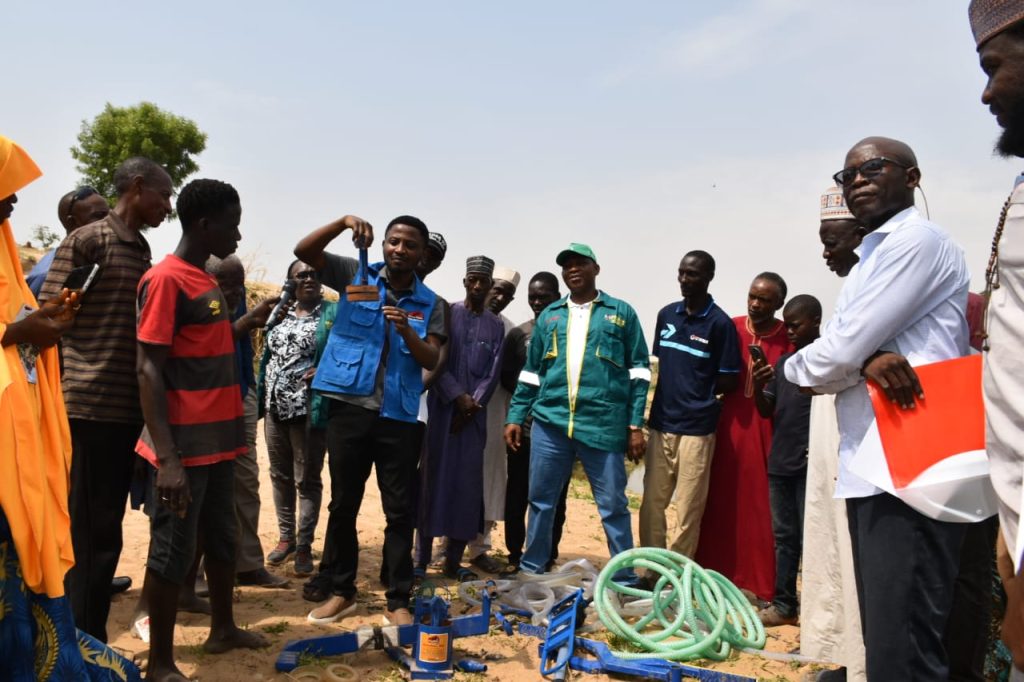
The opportunity is increasingly attracting institutional attention. In 2025, the National Agricultural Extension and Research Liaison Services (NAERLS) announced collaboration with the Beekeeping Extension Association of Nigeria to strengthen beekeeping activities and pursue funding for the sector.
Choosing a Suitable Location for an Apiary
The location of your apiary can determine whether your colonies thrive or struggle.
A good site should have access to flowering plants throughout much of the year, a reliable water source nearby and protection from excessive disturbance. The area should also have good drainage and reasonable protection from strong winds.
Avoid placing hives immediately beside busy roads, schools, markets, residential compounds or other locations where people regularly pass.
The beekeeper should also consider pesticide use in the surrounding area. A 2024 Nigerian study identified chemical poisoning from pesticides and herbicides as one of the constraints affecting beekeeping development.
Where possible, communication with neighbouring farmers can help reduce the risk of bees being exposed to harmful chemicals during crop spraying.
Choosing the Right Beehive
The hive is the home provided for the bee colony. Different hive designs are used in Nigeria, ranging from traditional hives to improved designs such as Kenya Top Bar and Langstroth hives.
Modern hives generally make colony management and honey harvesting more systematic than traditional methods.
The choice of hive should depend on your budget, technical knowledge, availability of equipment and intended scale of production.
A beginner should not simply buy the most expensive hive available. It is better to understand how the chosen hive works and learn proper colony management before expanding.
The initial investment normally includes:
- Beehives
- Bee colonies or appropriate methods for attracting colonies
- Protective clothing
- Bee veil
- Gloves
- Smoker
- Hive tool
- Honey harvesting equipment
- Food-grade containers
- Storage equipment
- Apiary fencing or security
- Transport
How to Get Bees
There are several ways to establish a colony.
A beekeeper may acquire an established colony from another beekeeper or use suitable baiting and swarm-attraction techniques to encourage bees to occupy an empty hive.
For beginners, obtaining colonies from an experienced beekeeper can reduce some of the uncertainty associated with catching wild colonies.
However, bees are living organisms and colony behaviour varies. A colony that appears strong initially can weaken or abscond if the conditions are poor.
Proper handling is therefore essential.
Managing the Bee Colony
Successful beekeeping is not simply placing hives somewhere and waiting for honey.
The beekeeper must periodically inspect colonies, monitor their strength, identify pests and diseases, check food availability and ensure the hive remains suitable.
The beekeeper should learn how to identify:
- Healthy and active colonies
- Weak colonies
- Queen problems
- Swarming
- Pest infestations
- Signs of disease
- Lack of food
- Excessive moisture
- Damaged hive components
Regular inspections should be carried out carefully because unnecessary disturbance can stress a colony.
Feeding Bees
Although bees normally obtain nectar and pollen from flowers, there are periods when natural forage may be insufficient.
During difficult periods, beekeepers may use supplementary feeding under appropriate management practices. Sugar syrup can be used in some circumstances, particularly when colonies require support.
However, feeding should not replace proper apiary location and forage management. A commercial beekeeper should understand the seasonal flowering pattern around the apiary and plan for periods when natural food availability is low.
Planting flowering trees and other suitable bee-friendly plants around farms can improve forage availability while also supporting biodiversity.
Honey Production and Harvesting
Honey production depends on several factors, including colony strength, bee genetics, weather, available forage and management.
A strong colony in an area with abundant flowering plants can accumulate substantial honey, while a colony in an area with poor forage may produce little.
Honey should only be harvested when it is sufficiently mature. Harvesting too early can result in excessive moisture and poor-quality honey.
The beekeeper should use clean equipment and food-grade containers during harvesting and storage.
After harvesting, honey may be filtered to remove unwanted particles before being packaged.
Commercial honey businesses should pay particular attention to hygiene, traceability, packaging and product quality.
Other Products From Beekeeping
Honey is not the only product generated by an apiary.
A commercial beekeeper can potentially generate income from:
- Honey
- Beeswax
- Propolis
- Pollen
- Queen bees
- Bee colonies
- Breeding materials
- Pollination services
Beeswax can be used in products such as candles, cosmetics, furniture polish and other manufactured goods.
This means that a well-managed apiary can develop into more than simply a honey-selling business.
How Much Does It Cost to Start Beekeeping in Nigeria?
The cost of starting a beekeeping business depends on the number and type of hives, the source of colonies, protective equipment, harvesting equipment, transportation and the location of the apiary.
A small beginner operation can start with a few hives and expand gradually.
Major startup costs include:
- Hives
- Bee colonies
- Protective clothing
- Smoker
- Hive tools
- Harvesting equipment
- Containers
- Apiary preparation
- Transport
- Security
- Training
- Labour
Hive and equipment costs can vary significantly depending on whether they are locally manufactured or purchased commercially.
For this reason, prospective farmers should obtain current quotations in their area before preparing a business plan.
The most important principle is to calculate the cost per productive hive rather than simply asking how much it costs to start an apiary.
Is Beekeeping Profitable in Nigeria?
Beekeeping can be profitable, but profitability depends on colony productivity, honey yield, selling price, equipment costs, labour and the beekeeper’s ability to manage colonies effectively.
Several Nigerian studies have reported positive economic results from honey production. A study in Abia State, for example, reported a benefit-cost ratio of 3.35:1 among the farmers studied, while research in Kaduna State also found honey and beeswax production to be profitable. These results are useful evidence of commercial potential, but they should not be interpreted as guaranteed returns for every farmer because production conditions and prices differ by location and season.
A simple calculation for a farm is:
Profit = Total Revenue − Total Production Cost
For example, if an apiary generates ₦1,000,000 in revenue during a production period and total production, harvesting, labour and marketing costs amount to ₦650,000, the illustrative profit would be ₦350,000.
This is only an example. It is not a current market quotation or a guaranteed return.
The correct approach is to calculate profitability using the farmer’s actual number of productive hives, honey yield, selling price and operating costs.
Finding a Market for Honey
The market for honey extends beyond selling bottles directly to consumers.
Potential buyers include:
- Households
- Supermarkets
- Restaurants
- Hotels
- Bakeries
- Food processors
- Health and wellness businesses
- Cosmetic manufacturers
- Pharmaceutical and nutraceutical businesses
- Honey wholesalers
- Exporters
Packaging can significantly influence the value of the product.
A farmer selling raw honey in bulk may earn differently from a business that filters, packages, brands and distributes honey directly to consumers.
This creates opportunities for value addition.
However, businesses selling honey commercially must pay attention to applicable food safety, labelling and regulatory requirements.
Branding and Value Addition
Honey is particularly suitable for agricultural value addition because consumers often care about origin, purity and quality.
A beekeeper can build a brand around the geographical origin of the honey, the floral source, production practices and quality assurance.
Instead of simply selling “honey,” a business can develop a differentiated product with proper packaging, traceability and consistent quality.
Beeswax can also be processed into additional products, allowing the business to generate revenue from materials that might otherwise be discarded.
Major Challenges Facing Beekeepers in Nigeria
Beekeeping has opportunities, but it is not without risks.
One major challenge is the availability and cost of equipment. A recent Nigerian study in Imo State identified equipment shortages, pesticide exposure, inadequate bee forage, drought and knowledge gaps among major constraints.
Other challenges include:
- Bee pests and predators
- Ant infestation
- Colony absconding
- Extreme weather
- Bush fires
- Theft of hives and honey
- Poor access to technical training
- Pesticide exposure
- Insufficient flowering plants
- Poor storage and packaging
- Inconsistent honey quality
- Limited access to finance
Research from Edo State has similarly identified hive costs, bee absconding, weather, ants and inadequate flowering plants as important constraints.
Climate and land-use changes can make these problems more significant because bees depend heavily on the availability and timing of flowering plants.
How to Make Beekeeping More Commercial
The difference between keeping a few hives and operating a commercial apiary is management.
A serious beekeeper should maintain records for every apiary and, where possible, every hive.
Important records include:
- Number of hives
- Colony strength
- Hive occupation
- Inspection dates
- Honey harvested
- Honey yield per hive
- Hive maintenance costs
- Labour costs
- Equipment costs
- Pest and disease incidents
- Selling price
- Total revenue
These records make it possible to identify productive locations and colonies.
For example, if one apiary consistently produces more honey per hive than another, the farmer can investigate whether the difference is caused by forage, colony strength, management or environmental conditions.
Data also makes it easier to prepare applications for agricultural financing and investment.
Beekeeping and Crop Farming
One of the most interesting opportunities is integrating beekeeping with crop production.
Bees require flowering plants, while many crops benefit from pollination. A farm can therefore potentially generate two forms of value: honey production and improved pollination.
Farmers growing fruit trees, vegetables and other flowering crops may therefore have opportunities to integrate managed bee colonies into their production systems.
However, pesticide management becomes even more important in an integrated system. Farmers should carefully consider the timing and choice of crop-protection chemicals to reduce harm to pollinators.
Frequently Asked Questions
Is beekeeping suitable for beginners?
Yes. Beginners can start with a small number of hives and learn colony management before expanding. Practical training from experienced beekeepers is highly recommended.
How much land is required for beekeeping?
Beekeeping does not necessarily require a large conventional farm. The more important considerations are access to suitable forage, water, security and sufficient distance from people and areas of heavy activity.
Can I keep bees in Abuja?
Yes. Beekeeping has been studied in the Federal Capital Territory, including among farmers in Abaji, Bwari and Kwali Area Councils. Research has found improved apiculture to be economically viable in the FCT, although the figures from that study are historical and should not be used as current prices or returns.
What is the most important equipment for a beekeeper?
Essential equipment includes suitable hives, protective clothing, a veil, smoker and hive tool. Commercial honey harvesting also requires appropriate extraction, filtration and storage equipment.
Is honey production profitable?
It can be profitable when colonies are productive, forage is adequate, operating costs are controlled and the beekeeper has access to a good market. Nigerian studies have found positive profitability in several locations.
What can I sell besides honey?
Beekeepers can potentially sell beeswax, propolis, pollen, colonies, queen bees and other bee-related products and services.
Commodity.ng Insight
Beekeeping is a good example of an agricultural business where location, seasonality and market information can be as important as production itself.
A farmer may have productive colonies, but profitability can still be affected by the availability of flowering plants, weather conditions, honey yield, equipment costs and the price received at the point of sale.
This makes data particularly valuable.
Commodity.ng can help farmers, traders, processors and investors understand agricultural markets by connecting production decisions with market intelligence and price discovery.
For a commercial beekeeper, some of the most important indicators to track are honey yield per hive, number of productive colonies, cost per hive, production cycle, honey selling price, beeswax revenue and net return per hive.
The goal should not simply be to own more hives. The goal should be to operate productive hives that generate predictable economic returns.
Nigeria’s beekeeping sector also presents opportunities beyond primary production. Better equipment, improved extension services, quality control, processing, packaging, branding, pollination services and market access can all contribute to a stronger honey value chain. Recent collaboration between NAERLS and the Beekeeping Extension Association of Nigeria further indicates institutional interest in developing the sector.
For farmers and investors, the opportunity is therefore not just in producing honey. It is in building a more organised bee-to-market value chain where production, processing, quality assurance and market information work together.
Discover more from Commodity Nigeria
Subscribe to get the latest posts sent to your email.