How to Start Duck Farming in Nigeria: A Practical Guide to Breeds, Housing, Feeding, Cost, Profit and Market
Duck farming is an alternative poultry business that allows Nigerian farmers to diversify beyond chicken production. Ducks can be raised for meat, eggs and breeding stock, with manure providing an additional product for crop farmers. They can be kept on small farms or developed into larger commercial operations with proper management.
Although duck farming is less prominent than chicken farming in Nigeria, it offers opportunities for entrepreneurs willing to develop reliable production systems and identify buyers before expanding. The key to success is not simply raising ducks but producing the right birds for a market that can pay enough to cover feed, labour, housing and other operating costs.
Choosing the Right Duck Breed
The breed you choose should depend on whether your main objective is meat, eggs or breeding.
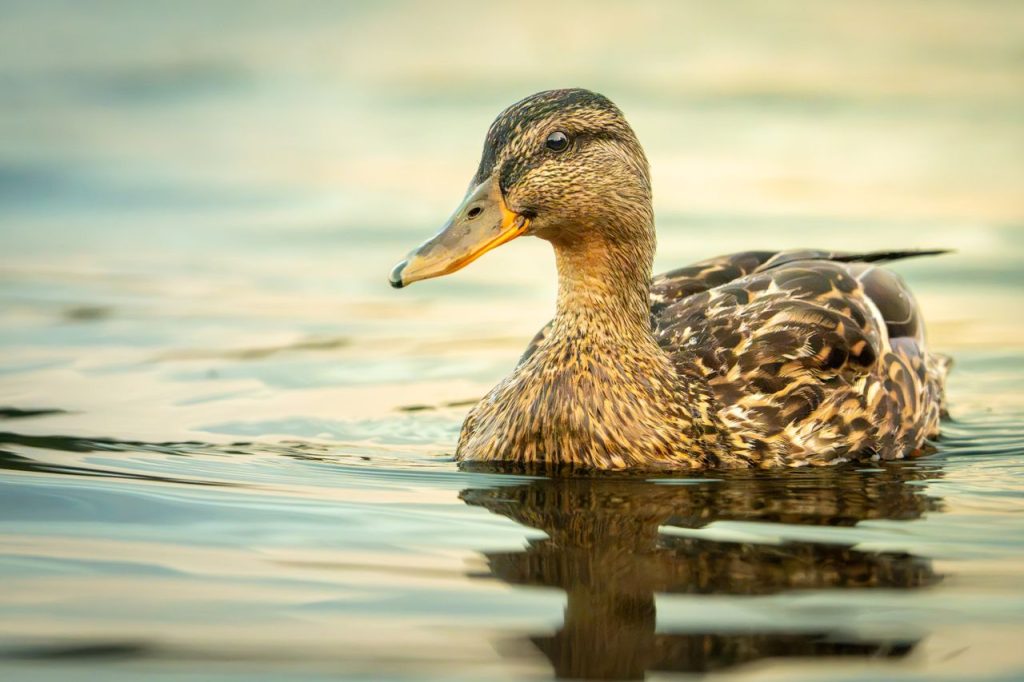
The Muscovy duck is among the most familiar duck types in Nigeria. It is valued for its meat, ability to forage and strong maternal instincts. Muscovy ducks generally lay fewer eggs than specialised egg-producing breeds, but their ability to hatch and raise ducklings can be useful for small-scale farmers.
Pekin ducks are commonly associated with meat production because of their growth potential. However, their performance depends on appropriate feeding, housing and management.
Khaki Campbell ducks are known for egg production and may be suitable for farmers targeting the table-egg market. Other breeds and local duck populations may also be suitable depending on availability and adaptation to local conditions.
The National Agricultural Extension and Research Liaison Services (NAERLS) provides guidance on duck breeds, housing, feeding and breeding through its National Farmers’ Helpline.
Before buying ducklings, investigate which breeds are available from reputable suppliers, what they cost and whether buyers in your area prefer duck meat or eggs. A breed with good production potential is only commercially useful when its products have a market.
Setting Up Duck Housing
Ducks need housing that protects them from predators, heavy rain, excessive heat and theft. Their shelter should be well ventilated, dry enough to prevent persistent dampness, and easy to clean.
A simple duck house can be constructed using locally available materials such as timber, wire mesh, blocks and roofing sheets. However, the structure should have good drainage, adequate space and secure openings.
An outdoor run gives ducks room to move and forage. Housing density should be based on bird size, flooring, ventilation and the production system rather than overcrowding the birds to save space. NAERLS provides approximately three to four ducks per square metre as a general indoor-space guide, but farmers should adjust arrangements to suit the birds and local conditions.
Ducks do not require the same type of perches commonly used for chickens. Laying ducks should have accessible nesting areas with clean bedding.
Ducks also need water deep enough to immerse their bills and clean their nostrils. A large pond is not essential for raising ducks commercially, but clean drinking water must always be available, and water containers should be managed to prevent the housing area from becoming persistently wet.
For practical housing guidance, see the FAO guide to duck keeping in the tropics.
Feeding Ducks for Growth and Egg Production
Feed is one of the largest expenses in duck farming, making feeding management a major determinant of profitability.
Ducklings require nutritionally balanced starter feed to support early growth. As they mature, their diet should be adjusted to their production stage. Growing ducks need adequate protein, energy, vitamins and minerals, while laying ducks require appropriate nutrition and sufficient calcium for egg production.
Depending on availability and the production system, suitable supplementary feed ingredients may include maize, millet, sorghum, wheat by-products, vegetables and other safe agricultural materials. However, these ingredients should not be used indiscriminately as substitutes for a balanced ration.
Farmers should avoid mouldy feed, contaminated water and sudden dietary changes. Feeders and drinkers should be positioned to reduce contamination and wastage.
Ducks may forage for insects, grasses and other natural food, but commercial farmers should not assume that free-ranging alone will meet their nutritional requirements. Where possible, estimate feed consumption and monitor growth so that feeding costs can be compared with the value of the birds produced.
Duck Breeding and Reproduction
Duck farming can generate income from selling mature birds, eggs and ducklings. However, successful breeding requires healthy parent stock and proper management.
Choose active, healthy breeding birds with no obvious deformities. Avoid repeated mating between closely related birds because inbreeding can reduce flock performance over time.
A commonly used starting guide is approximately one drake, or male duck, to five to seven females, although the appropriate ratio can vary with breed and management.
Egg incubation also varies by breed. Many domestic duck eggs hatch after approximately 28 days, while Muscovy eggs generally require around 35 days. Farmers using natural incubation should provide clean, quiet nesting areas and monitor the sitting duck. Those using incubators must follow the equipment manufacturer’s temperature, humidity and egg-turning recommendations for the specific breed.
Ducklings need suitable brooding conditions, clean water and appropriate starter feed. Their health and survival during the early stages can significantly influence the profitability of the entire operation.
Maintain records of eggs laid, eggs hatched, ducklings surviving, growth rates and breeding performance. These records help identify productive breeding birds and show whether the farm is improving over time.
Duck Health and Biosecurity
Although ducks can be hardy birds, they are not immune to disease. Poor sanitation, contaminated water, overcrowding and contact with infected birds can lead to serious losses.
A good health-management programme should include regular cleaning, dry resting areas, clean drinking water, safe disposal of dead birds and prompt isolation of sick animals.
Farmers should also prevent unnecessary contact between their flock and wild birds or poultry from unknown sources. New birds should be managed carefully before being introduced to an established flock.
Work with a qualified veterinarian or livestock extension officer to determine the appropriate disease-prevention and vaccination programme for the farm. Do not assume that ducks can automatically follow the same programme used for chickens.
Early warning signs can include loss of appetite, unusual droppings, difficulty walking, breathing problems, weakness and unexpected deaths. Prompt professional attention can help prevent a local problem from becoming a major outbreak.
How Much Does It Cost to Start Duck Farming in Nigeria?
The startup cost depends on the number of birds, the breed, housing arrangements and whether the farmer is producing meat, eggs or breeding stock.
Major expenses include:
- Ducklings or mature breeding birds
- Housing and fencing
- Feeders and drinkers
- Starter, grower and layer feed
- Nesting materials
- Water supply and drainage
- Brooding equipment
- Veterinary care and biosecurity materials
- Transport
- Labour
- Packaging and marketing
- Contingency funds
A beginner may start with a small flock to learn the production process and test local demand before committing substantial capital.
Before investing, obtain current quotations for ducklings, feed and equipment in your area. Feed costs, in particular, should be estimated for the entire production cycle rather than only the first few weeks.
It is also important to budget for working capital. A farmer may need to pay for feed, labour and veterinary care for several weeks or months before generating sales revenue.
Is Duck Farming Profitable in Nigeria?
Duck farming can be profitable, but returns depend on the cost of production, growth performance, mortality, egg output, selling price and access to buyers.
A study of duck farmers in Orlu, Imo State, identified low selling prices for duck meat and eggs among the major constraints affecting the enterprise. This highlights a critical lesson: production alone does not guarantee profitability. Farmers need a market that values their products sufficiently to cover the cost of raising them. Read the study.
A simple profitability formula is:
Profit = Total Revenue − Total Production and Marketing Costs
For example, if a farmer generates ₦1,000,000 from duck sales and spends ₦750,000 on ducklings, feed, labour, healthcare, transport and other production costs, the illustrative profit is ₦250,000.
This is only a hypothetical example, not a current Nigerian market quotation or a guaranteed return. Actual results may be lower or higher depending on farm performance and local market conditions.
Farmers should calculate profitability separately for meat production, egg production and breeding-stock sales because each enterprise has different costs, production cycles and revenue patterns.
Finding a Market for Duck Products
Market development should begin before the farmer purchases a large number of birds.
Potential customers include households, restaurants, hotels, meat retailers, traders, other poultry farmers, hatcheries and food businesses. Demand will vary by location, so farmers should speak directly with potential buyers rather than assuming that demand for chicken automatically translates into demand for duck.
Duck products can be sold in several forms:
- Live ducks
- Dressed duck meat
- Duck eggs
- Day-old ducklings
- Mature breeding birds
- Manure for crop production
Selling dressed meat may create additional value, but it requires hygienic processing, suitable storage and compliance with applicable food-safety requirements.
Duck eggs may also provide a useful source of revenue where there are buyers who understand and regularly consume them. However, farmers should verify demand, preferred egg sizes, quantities and prices before investing in a specialised laying flock.
Building relationships with repeat buyers can make production planning easier and reduce the risk of keeping mature birds longer than intended because sales are slow.
Duck Manure and Integrated Farming
Duck manure can be used as an organic soil amendment when properly handled and applied according to crop requirements. This creates an opportunity to integrate duck production with vegetable farming, fruit production and other agricultural activities.
Farmers may also be able to incorporate suitable farm-grown ingredients into duck feed, provided the resulting ration meets the birds’ nutritional needs.
Integrated farming can improve resource use, but it should be managed carefully. Waste must not be allowed to contaminate drinking water, and ducks should not be given access to feed or materials that could expose them to harmful substances.
The objective is to create useful connections between enterprises without compromising animal health, food safety or farm productivity.
Major Challenges Facing Duck Farmers in Nigeria
Duck farming faces several constraints, including high feed costs, limited access to quality breeding stock, disease risks, inadequate technical knowledge and unreliable markets.
Consumer familiarity is another challenge. In areas where duck meat and eggs are not widely consumed, farmers may need to spend more time identifying customers and explaining the product.
Other challenges include:
- High initial housing and equipment costs
- Poor-quality ducklings
- Heat stress and inadequate ventilation
- Predators and theft
- Poor water and waste management
- High mortality among ducklings
- Inconsistent egg production
- Limited access to veterinary services
- Competition from more familiar poultry products
- Price uncertainty
These challenges make careful planning essential. A farmer should not expand production simply because the birds are reproducing well. Expansion should follow evidence of profitable sales and sufficient management capacity.
Frequently Asked Questions
Can ducks be raised without a pond?
Yes. A pond is not essential, but ducks need constant access to clean drinking water and water deep enough to immerse their bills and clean their nostrils.
Which duck breed is best for beginners?
Muscovy ducks may suit farmers interested in meat and natural hatching, while Pekin ducks are commonly associated with meat production and Khaki Campbell ducks with egg production. The best choice depends on local availability, management capacity and confirmed market demand.
How long does it take duck eggs to hatch?
Many domestic duck breeds hatch in about 28 days. Muscovy eggs generally take around 35 days.
Can ducks be raised with chickens?
Ducks and chickens have different management needs, and mixing them can increase disease-management complications. Separate housing and equipment are preferable where practical, particularly on commercial farms.
Is duck farming suitable for small-scale farmers?
Yes. Farmers can start with a manageable flock, learn the production process and expand when their records and market experience show that expansion is commercially justified.
What is the biggest factor affecting profitability?
Feed costs and selling prices are major factors, alongside mortality, growth performance, labour and the ability to sell birds or eggs consistently.
Commodity.ng Insight
Duck farming illustrates why agricultural production must be connected to reliable market information.
A farmer may successfully raise a flock but still struggle financially if feed costs rise, buyers are scarce or the selling price does not cover production expenses. The commercial opportunity therefore depends on more than the number of birds produced.
Commodity.ng’s focus on commodity prices, agricultural market intelligence and digital trading infrastructure is relevant to this challenge. Farmers, traders, processors and investors need better information to evaluate production costs, compare market opportunities and make informed decisions about where to buy inputs and sell products.
For duck farmers, the most useful indicators to track include cost per bird, feed cost per kilogram of growth, mortality rate, age at sale, eggs produced per laying duck, selling price and profit per production cycle.
A farmer should also compare the economics of duck meat, duck eggs and breeding-stock production before deciding which business model to scale.
The opportunity is not simply to produce more ducks. It is to build a reliable value chain in which breeding, feeding, animal health, processing, distribution and market access work together.
For Nigeria’s agricultural sector, better information and stronger connections between producers and buyers can help alternative livestock enterprises become more organised, commercially sustainable and attractive to investment.
Discover more from Commodity Nigeria
Subscribe to get the latest posts sent to your email.