Women Farmers Key to Nigeria’s $1 Trillion Economy.
As Nigeria pursues its ambition of becoming a $1 trillion economy, discussions often focus on oil, technology, manufacturing, infrastructure and foreign investment. Yet one of the country’s most powerful economic assets remains largely underappreciated: women farmers.
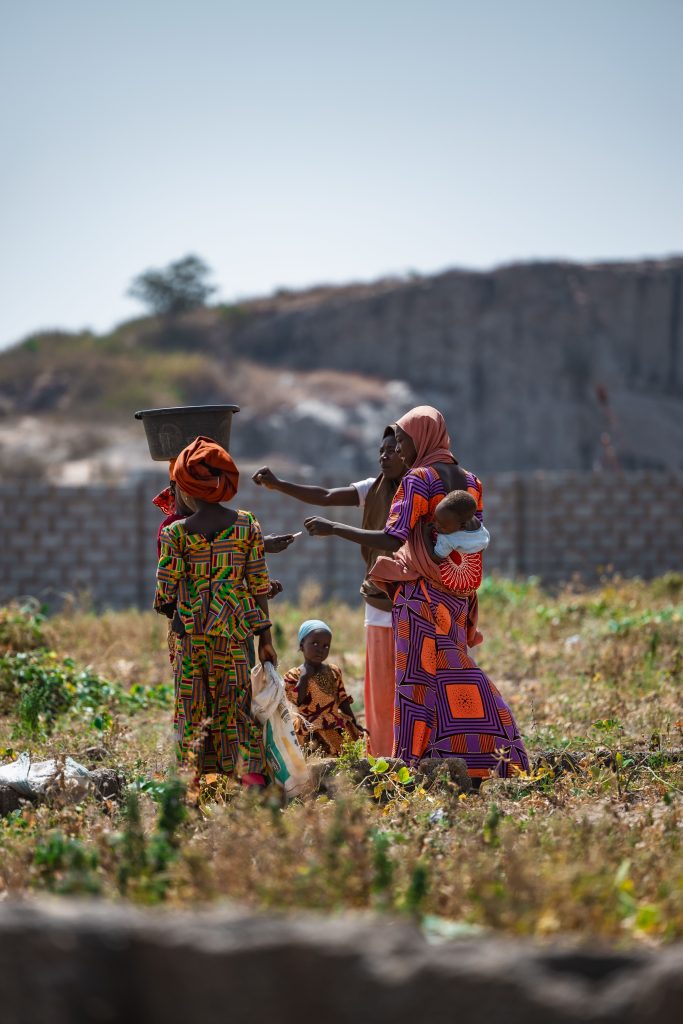
Across Nigeria’s agricultural landscape, millions of women wake up before sunrise to cultivate crops, process food, care for livestock, transport produce to markets and support household food security. From rice fields in Kebbi to cassava farms in Ogun, vegetable gardens in Plateau and poultry enterprises in Oyo, women are deeply involved in every stage of the agricultural value chain.
Despite their enormous contributions, women farmers continue to face significant barriers that limit their productivity and economic potential. Agricultural experts argue that unlocking the full capacity of women in agriculture could become one of the fastest pathways to increasing food production, reducing poverty and accelerating economic growth.
Agriculture remains one of Nigeria’s largest economic sectors, employing millions of people and contributing significantly to national GDP. Women account for a substantial share of the agricultural workforce and play critical roles in planting, weeding, harvesting, processing and marketing agricultural products.
In many rural communities, women are the backbone of household food production. They grow vegetables, grains, legumes and other crops that sustain families and local markets. They also dominate several segments of food processing, transforming raw agricultural commodities into products that generate income and add value to the economy.
However, while women contribute significantly to agricultural production, they often have less access to productive resources than their male counterparts.
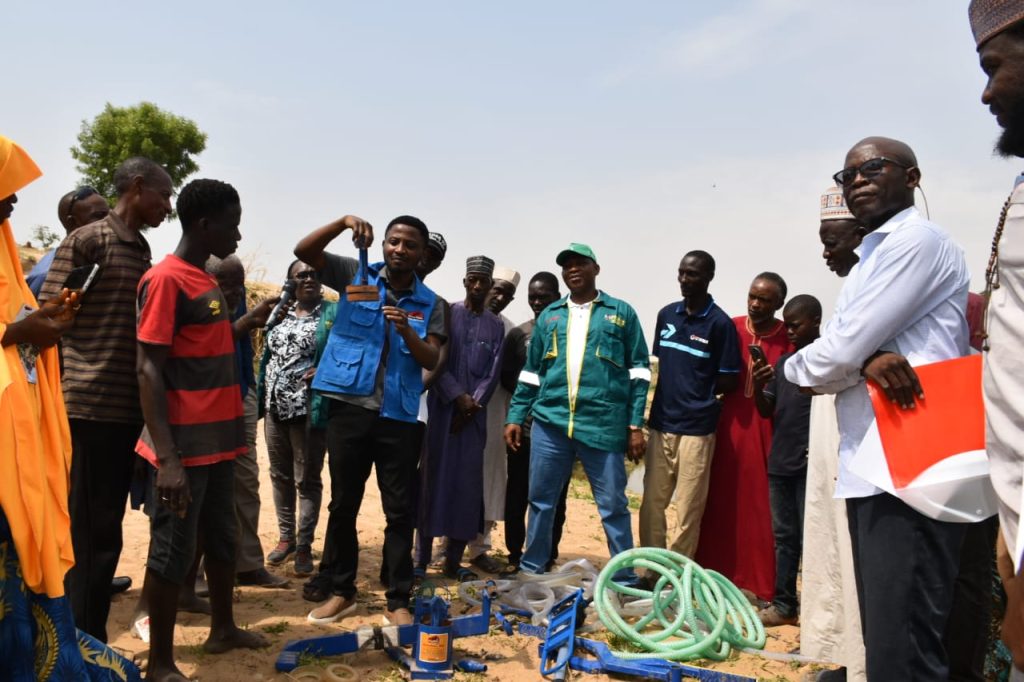
Many female farmers struggle to secure land ownership due to cultural and legal constraints. Others face difficulties accessing credit, farm machinery, improved seeds, irrigation systems, extension services and agricultural training.
These limitations often result in lower productivity, not because women are less capable farmers, but because they operate with fewer resources and opportunities.
Development economists have consistently argued that closing the resource gap between male and female farmers could significantly increase agricultural output. When women have equal access to land, finance, technology and training, farm productivity improves, household incomes rise and food security strengthens.
The economic implications extend far beyond agriculture.
Higher agricultural productivity generates additional income for rural households, increases consumer spending, supports small businesses and stimulates broader economic activity. It also creates employment opportunities along the agricultural value chain, from production and processing to transportation and retail.
As Nigeria seeks to diversify its economy away from excessive dependence on oil revenues, empowering women in agriculture presents a practical and scalable growth strategy.
Women are also becoming increasingly active in agribusiness entrepreneurship.
Across the country, female entrepreneurs are establishing successful ventures in poultry production, aquaculture, cassava processing, dairy farming, greenhouse cultivation, food packaging and agricultural technology.
Many are creating jobs, improving food availability and demonstrating that agriculture can be both profitable and innovative.
Technology is further expanding opportunities for women farmers.
Mobile phones, digital marketplaces, online training platforms and financial technology solutions are helping women access information, markets and financial services that were previously difficult to obtain.
Digital agriculture is gradually reducing traditional barriers and creating new pathways for participation and growth.
Climate change, however, presents a growing challenge.
Women farmers are often among the most vulnerable to droughts, flooding, irregular rainfall and rising temperatures because they typically have fewer resources to absorb production shocks.
This makes it even more important to support climate-smart agriculture, irrigation development, improved seed varieties and agricultural insurance programmes that can help build resilience.
Government policies and private-sector initiatives are increasingly recognizing the importance of women in agriculture. Various empowerment programmes now focus on providing female farmers with access to financing, inputs, training and market opportunities.
While progress is being made, stakeholders believe much more can be done to ensure women fully participate in and benefit from agricultural transformation.
Beyond economics, empowering women farmers delivers social benefits.
Research consistently shows that when women earn more income, households often spend more on education, healthcare, nutrition and family welfare. This creates positive ripple effects that contribute to long-term community development and poverty reduction.
As Nigeria works toward achieving sustainable economic growth, food security and industrial development, the role of women farmers cannot be overlooked.
A country aspiring to build a trillion-dollar economy must maximise the potential of all its productive citizens. For Nigeria, that means investing in the women who produce food, drive rural economies and sustain millions of households.
The path to a stronger agricultural sector, improved food security and broader economic prosperity may well begin with empowering the women who have long been at the heart of Nigerian agriculture.
Women farmers are not just participants in Nigeria’s economy—they are essential drivers of its future growth.
Commodity.ng Insight
Nigeria’s ambition of becoming a $1 trillion economy will require productivity growth across every major sector, especially agriculture. Women already contribute significantly to food production, processing and rural commerce, yet many remain underserved when it comes to land access, financing, mechanization and agricultural training.
Closing these gaps represents one of the largest untapped opportunities in the agricultural sector.
Why It Matters
- Women make up a significant share of Nigeria’s agricultural workforce.
- Increased support for women farmers can boost food production.
- Higher female participation in agribusiness can create jobs and stimulate rural economies.
- Empowering women improves household welfare, nutrition and education outcomes.
- Greater access to finance and technology can unlock substantial productivity gains.
Bottom Line
Nigeria’s journey toward a $1 trillion economy will not be driven by oil alone. Agriculture must play a central role, and women farmers will be critical to that transformation. Investing in women’s access to land, finance, technology and markets is not only a social objective—it is an economic necessity capable of accelerating growth, improving food security and strengthening national prosperity.
Discover more from Commodity Nigeria
Subscribe to get the latest posts sent to your email.