Market Insight: Capital Injection Targets Structural Weakness in Nigeria’s Food System
Nigeria’s agricultural sector has received a significant boost as the World Bank approved a $500 million credit facility aimed at transforming the country’s agricultural value chains.
The funding—channeled through the Nigeria Sustainable Agricultural Value Chains for Growth Project (AGROW)—comes at a critical time when food inflation, low productivity, and supply chain inefficiencies continue to pressure Nigeria’s commodity markets.
For traders, agribusiness investors, and policymakers, this is more than development financing—it is a strategic intervention with direct implications for commodity supply, pricing, and long-term market structure.
Key Commodities in Focus: Supply Expansion Potential
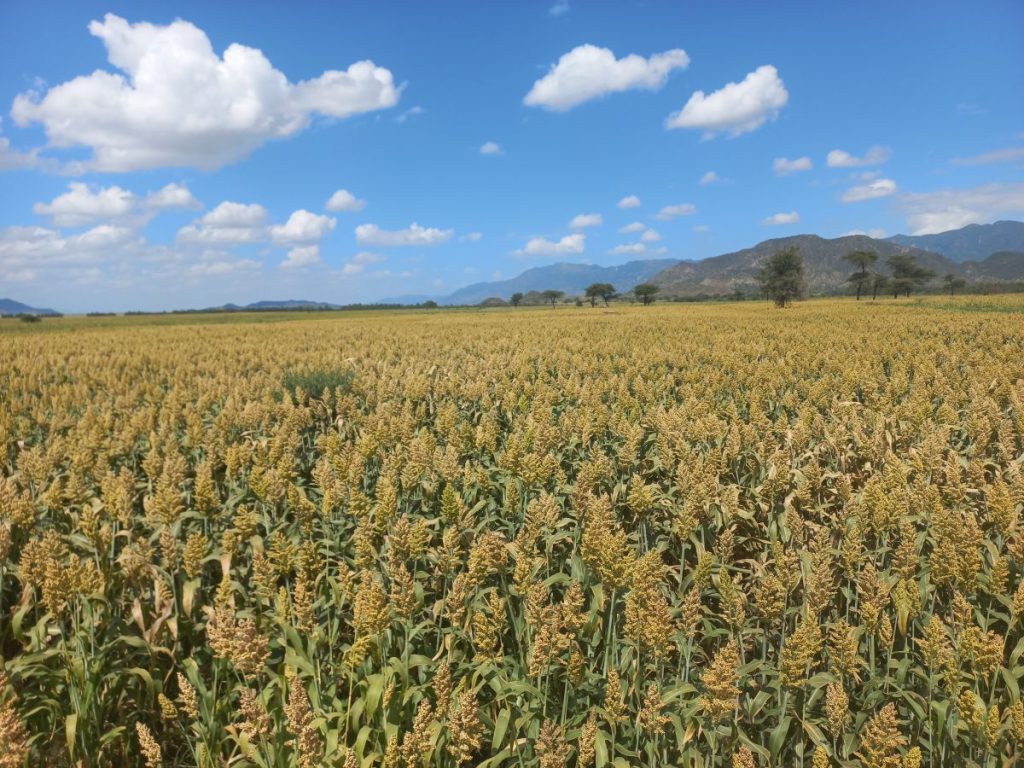
The AGROW programme will prioritize high-impact staples:
- Rice
- Maize
- Cassava
- Soybeans
Commodity.ng Market Take
These crops are not randomly selected—they represent:
- Core food staples (rice, cassava)
- Feed and industrial inputs (maize, soybeans)
If effectively implemented, the programme could:
➡️ Increase domestic supply volumes
➡️ Reduce import dependence (especially rice and maize)
➡️ Stabilize food prices over the medium term
However, execution risk remains a key variable.
From Subsistence to Market Integration: The Value Chain Strategy
A major shift in the AGROW framework is its value-chain-first approach.
Rather than focusing solely on production, the programme targets:
- Aggregation systems
- Post-harvest handling
- Agro-processing
- Market access expansion
Why This Matters
Nigeria loses a significant portion of its agricultural output due to:
- Poor storage
- Weak logistics
- Fragmented market access
Commodity.ng Insight
Improving value chains could:
➡️ Reduce post-harvest losses
➡️ Increase effective supply without expanding farmland
➡️ Boost margins for both farmers and commodity traders
Private Sector Leverage: $220M Co-Investment Opportunity
The project is expected to attract an additional $220 million in private agribusiness investment.
This will be driven through a results-based matching grant system, incentivizing:
- Agro-processors
- Input suppliers
- Commodity aggregators
Market Implication
➡️ Increased private participation = more efficient commodity markets
➡️ Stronger agribusiness ecosystem = better price discovery and liquidity
For investors, this opens up:
- Processing opportunities
- Storage and logistics plays
- Input supply chains
Technology & Data: Digital Agriculture Enters the Market
One of the most transformative components of AGROW is the push toward digitization:
- National digital farmer registry
- Real-time advisory services
- Localized weather and climate data
- Extension system upgrades
Commodity.ng Perspective
This is a foundational shift toward:
Data-driven agriculture and smarter commodity forecasting
Potential outcomes:
➡️ Improved yield predictability
➡️ Better risk management for farmers
➡️ More reliable supply signals for traders
Input Market Reform: Seeds, Fertilizer, and Productivity Gains
The programme will also address one of Nigeria’s biggest agricultural bottlenecks—input quality and access.
Key interventions:
- Expansion of early-generation seed supply
- Strengthening seed and fertilizer regulatory systems
- Increased private sector participation in input production
Market Impact
➡️ Higher yields per hectare
➡️ Improved crop quality
➡️ Stronger competitiveness of Nigerian commodities
Employment & Inclusion: Expanding the Agricultural Workforce
The AGROW initiative is expected to:
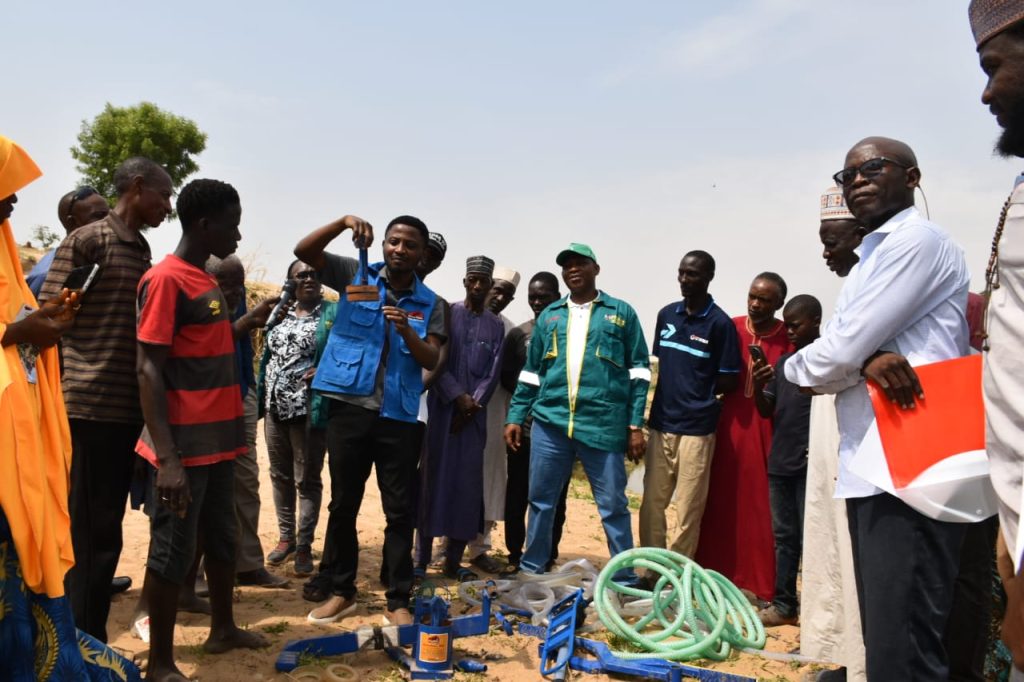
- Benefit up to 1 million smallholder farmers
- Drive job creation across value chains
- Prioritize women and youth inclusion
Commodity.ng Insight
Labour expansion in agriculture can:
➡️ Increase production capacity
➡️ Strengthen rural economies
➡️ Improve consumption patterns—feeding back into commodity demand
Macro Context: Agriculture Still Underperforming
Despite being Nigeria’s largest employer, agriculture continues to face structural constraints:
- Low productivity
- Climate shocks
- Limited access to finance
- Weak market linkages
According to the World Bank, many farmers remain trapped in subsistence farming, limiting the sector’s ability to drive economic growth.
Debt Context: Financing Comes at a Cost
While the funding is concessional, it adds to Nigeria’s external debt exposure.
Data from the Debt Management Office shows:
- Total World Bank exposure: $19.54 billion (as of Sept 2025)
- Share of external debt: 40.34%
Commodity.ng Take
The key question is not just borrowing—but:
Will this capital translate into measurable productivity gains and market efficiency?
Timeline & Scale: A Long-Term Structural Play
- Project duration: 2026–2032 (6 years)
- Geographic scope: Nationwide
- Focus: Transition from subsistence → commercial agriculture
Market Outlook
This is a medium-to-long-term supply-side intervention, meaning:
- Short-term impact: Limited
- Medium-term (2–4 years): Gradual output improvement
- Long-term: Potential structural transformation
Risk Factors: What Could Go Wrong?
Despite its potential, several risks could limit impact:
1. Insecurity in Farming Regions
As previously observed, conflict continues to:
- Reduce land use
- Discourage investment
2. Implementation Bottlenecks
- Bureaucracy
- Weak coordination
- Delayed fund disbursement
3. Market Inefficiencies
- Poor infrastructure
- Logistics constraints
Commodity.ng Final Take
The $500M AGROW programme represents one of the most significant recent interventions in Nigeria’s agricultural sector.
If effectively executed, it could:
- Boost production of key commodities
- Strengthen value chains
- Stabilize food prices
- Unlock private sector participation
However, success will depend on:
Security, execution efficiency, and market integration
For commodity stakeholders, this is a development to watch closely:
➡️ Bullish long-term for Nigerian agro-commodities
➡️ Neutral to limited short-term price relief
➡️ High execution-dependent outcome
Discover more from Commodity Nigeria
Subscribe to get the latest posts sent to your email.