Nigeria Launches Bold Drive to Transform Niger Delta into an Agricultural Investment Hub
Nigeria has taken a significant step toward repositioning the Niger Delta as one of Africa’s leading agricultural investment destinations with the launch of the Niger Delta Agricultural Development and Investment Fund, a landmark initiative designed to diversify the region’s economy beyond oil, strengthen food security, create jobs, and attract private capital into agribusiness.
The initiative, unveiled during the Niger Delta Agricultural Development and Investment Summit 2026 at the Presidential Villa in Abuja, signals a strategic shift in Nigeria’s economic development agenda—one that seeks to restore agriculture to the centre of national prosperity.
Returning to the Region’s Agricultural Roots
For decades, discussions about the Niger Delta have focused largely on crude oil, which has powered Nigeria’s economy since commercial oil was discovered in Oloibiri, Bayelsa State, in 1956.
However, Vice President Kashim Shettima believes the region’s future prosperity lies not beneath its soil, but in what can be grown from it.
“Before oil took centre stage in our economy, it was the soil that paid our bills. We must, therefore, return to agriculture for our economic development,” the Vice President declared.
According to him, agriculture remains one of the strongest pillars for achieving food security, economic stability, industrial development and long-term national prosperity.
A $500 Million Investment Fund
At the heart of the new initiative is the Niger Delta Agricultural Development and Investment Fund, a commercially driven financing platform expected to mobilise approximately $500 million for agricultural investments across the region.
The fund will finance projects spanning the entire agricultural value chain, including:
- Oil palm production
- Aquaculture and fisheries
- Cassava processing
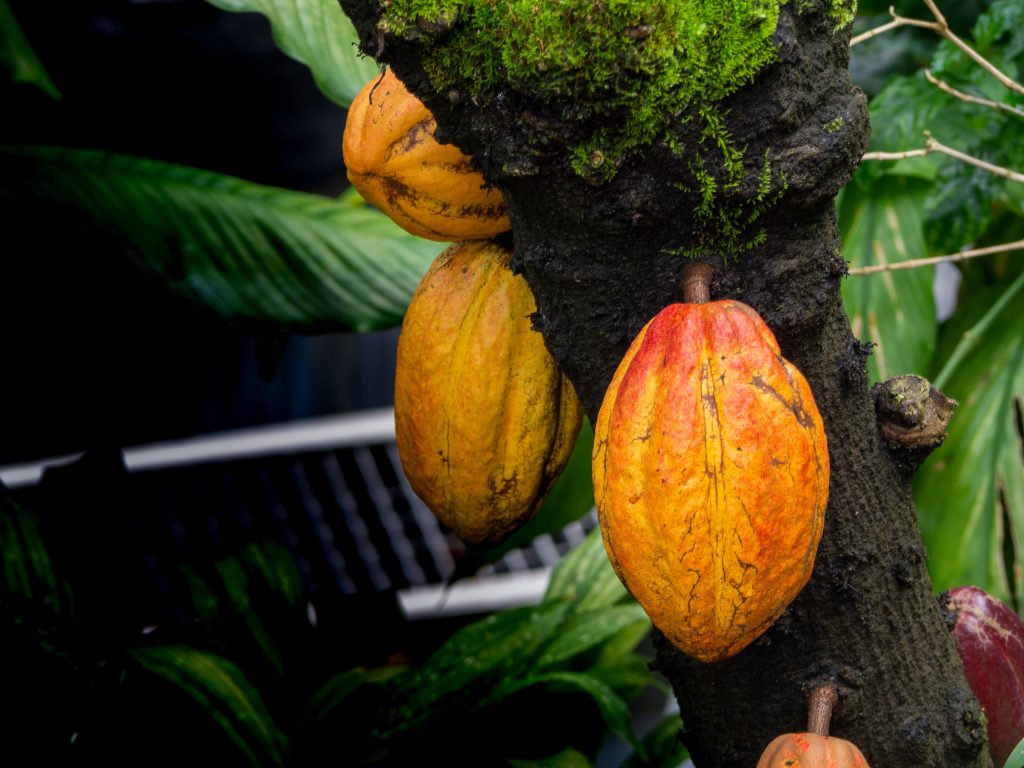
- Cocoa production
- Rice farming
- Horticulture
- Livestock production
- Marine resources
- Agro-processing industries
Government officials say the investment vehicle is designed to attract financing from multilateral institutions, commercial banks, development finance institutions and private investors.
Agriculture to Replace Oil as a Growth Engine
The summit, jointly organised by the Office of the Vice President and the Niger Delta Development Commission (NDDC) with support from the governors of the nine Niger Delta states, brought together policymakers, investors, development partners and agribusiness stakeholders around a shared vision of transforming the region into an agricultural powerhouse.
Vice President Shettima noted that the investment fund aligns with President Bola Tinubu’s food security agenda and will coordinate financing commitments from institutions including:
- World Bank
- African Development Bank (AfDB)
- Islamic Development Bank (IsDB)
- European Bank for Reconstruction and Development (EBRD)
- Commercial financiers
- Private investors
He also announced the inauguration of the Niger Delta Agricultural Development and Investment Council, which he will chair, while the NDDC will serve as its secretariat.
According to him, the council will oversee the preparation of bankable agricultural projects across all nine Niger Delta states.
Why the Niger Delta Matters
The Niger Delta possesses enormous agricultural potential despite its historical dependence on petroleum.
The region offers:
- Fertile agricultural land
- Abundant freshwater resources
- Extensive rivers and inland waterways
- Diverse ecological zones
- Favourable climatic conditions
- Access to domestic and export markets
- Strong potential for value-added agro-processing
These natural advantages position the region as one of Nigeria’s most promising locations for commercial agriculture.
NDDC Wants Agriculture to Lead Economic Diversification
Managing Director of the Niger Delta Development Commission (NDDC), Chief Samuel Ogbuku, described the initiative as a turning point for the region.
According to him, agriculture once served as the backbone of the Niger Delta economy before crude oil became dominant.
“The Niger Delta has for decades been known for oil, but it is time to unlock the enormous opportunities beneath its fertile soil. Agriculture offers the region a pathway to food security, employment, investment and lasting prosperity.”
Ogbuku explained that as international oil companies gradually shift from onshore operations to deep offshore assets, agriculture presents a unique opportunity to drive inclusive economic growth throughout the region.
Building Modern Commercial Agriculture
The Director of Agriculture and Fisheries at the NDDC, Winifred Madume, emphasised that the future of agriculture in the Niger Delta must go beyond subsistence farming.
Instead, she advocated for:
- Commercial agriculture
- Technology-driven farming
- Value-added processing
- Export-oriented production
- Agribusiness investment
- Global competitiveness
According to her, agriculture has evolved globally into a strategic investment sector capable of creating wealth, generating employment and strengthening national economies.
She encouraged investors to partner with the region by bringing technology, expertise and long-term capital into Nigeria’s agricultural sector.
Unlocking Private Investment
Senior Special Assistant to the President on Agribusiness and Productivity Enhancement, Dr. Kingsley Uzoma, noted that the Niger Delta already possesses abundant agricultural resources and entrepreneurial talent.
However, he said the region requires stronger coordination, institutional support and access to investment capital to unlock its full agricultural potential.
Industry experts believe improved financing will accelerate investments in:
- Agro-processing facilities
- Cold-chain infrastructure
- Storage systems
- Export logistics
- Mechanisation
- Climate-smart agriculture
- Digital farming technologies
Creating Jobs and Strengthening Food Security
The organisers estimate that the investment initiative could create more than 500,000 jobs while strengthening Nigeria’s food production capacity.
The programme is also expected to:
- Improve farmers’ incomes
- Expand agricultural exports
- Reduce food imports
- Encourage youth participation in agribusiness
- Promote rural industrialisation
- Boost regional economic development
A New Economic Direction
The launch of the Niger Delta Agricultural Development and Investment Fund represents more than another government programme—it reflects a broader shift in Nigeria’s development strategy.
As global energy markets continue to evolve and food security becomes increasingly important, agriculture is emerging as one of Nigeria’s strongest opportunities for sustainable economic growth.
For decades, the Niger Delta fuelled Nigeria through petroleum wealth. Today, policymakers believe the region’s fertile land, abundant water resources and agricultural potential can once again become a major driver of national prosperity.
If backed by sustained investment, effective implementation and private-sector participation, the initiative could transform the Niger Delta into a globally competitive agribusiness hub while strengthening Nigeria’s food security, creating jobs and accelerating economic diversification.
Discover more from Commodity Nigeria
Subscribe to get the latest posts sent to your email.