
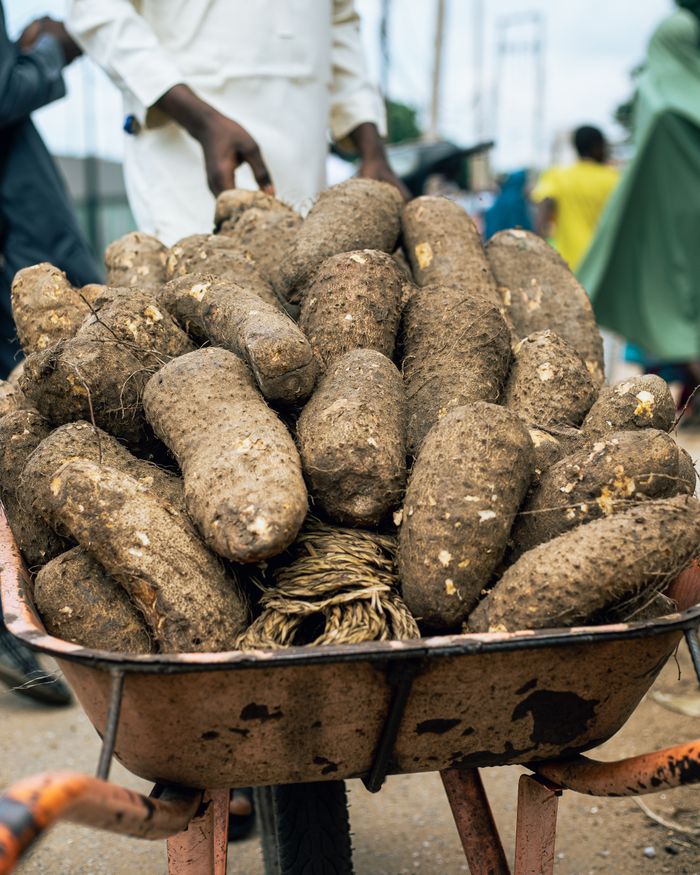
How to Grow Yam in Nigeria: A Practical Guide to Yam Farming, Cost, Yield and Profit
Yam is one of Nigeria’s most important food crops and a major part of the country’s agricultural economy. Nigeria is widely recognised as the world’s leading producer of yam, with millions of farmers involved directly or indirectly in its production and trade. Beyond being a staple food, yam supports a large value chain involving farmers, labourers, traders, transporters, wholesalers, retailers, processors and exporters.
For many Nigerian farmers, yam is both a food-security crop and a commercial opportunity. However, profitable yam farming requires more than simply putting seed yam in the ground. Farmers need to understand the right planting materials, soil conditions, planting period, staking, weed management, pests and diseases, harvesting, storage and, most importantly, the market.
This guide explains how to approach yam farming in Nigeria as a serious agricultural business.
Why Yam Farming Matters in Nigeria
Yam has deep cultural and economic importance in Nigeria. It is consumed in many forms, including boiled yam, fried yam, pounded yam, yam porridge and other traditional dishes. It is also traded extensively between rural production areas and major urban markets.
Yam production is particularly important across the Middle Belt and southern parts of Nigeria. States such as Benue, Niger, Nasarawa, Taraba, Kogi, Kaduna, Oyo, Ekiti, Ondo, Osun, Edo, Enugu, Ebonyi, Cross River and Akwa Ibom are among the areas where yam production is significant.
The crop also has strong commercial potential because demand comes from households, restaurants, food businesses and traders throughout the country. However, farmers must contend with high labour requirements, rising input costs, seed yam expenses and post-harvest losses.
Yam is therefore an attractive crop, but it rewards farmers who plan carefully.
How to Grow Yam Successfully
Successful yam farming begins with choosing the right land. Yam generally performs well in fertile, loose and well-drained soils that allow tubers to develop properly. Heavy or poorly drained soils can make tuber development difficult and increase the risk of rot.
Land preparation is particularly important because yam is commonly planted on mounds or ridges. The appropriate method depends on the soil, local farming practices, variety and available equipment. Good land preparation creates favourable conditions for tuber development and makes subsequent farm operations easier.
The quality of planting material is one of the most important factors determining the success of a yam farm. Farmers generally use seed yams or other suitable planting materials, depending on the production system. Planting materials should be healthy and free from obvious disease or pest damage. Using poor-quality seed can result in weak establishment, low yields and greater disease problems.
Planting should be timed according to the local rainfall pattern and soil moisture conditions. In many parts of Nigeria, yam is planted around the beginning of the rainy season, although the precise timing varies by location.
Once planted, yam requires regular field management. Weeds can compete aggressively with young yam plants for nutrients, water and sunlight, making early weed management particularly important. Farmers may use manual methods, mulching or appropriate herbicide programmes depending on their farming system.
Staking is another important operation for many yam varieties. Yams are climbing plants, and staking provides support for the vines, allowing them to grow properly and improving the use of sunlight. Farmers may use wooden stakes or other appropriate support systems, although staking can significantly increase labour requirements.
Where and When to Grow Yam
Yam can be cultivated across a wide part of Nigeria, but the best production areas generally have suitable rainfall, fertile soils and adequate moisture.
The Middle Belt is particularly important to Nigeria’s yam economy. Benue, Niger, Nasarawa, Kogi and Taraba are prominent production areas, while several states in the South-West and South-East also have long-established yam farming traditions.
The timing of planting is closely linked to rainfall. Farmers should avoid planting too early when soil moisture is inadequate, while planting too late can shorten the effective growing period.
Climate conditions are becoming increasingly important. Irregular rainfall, prolonged dry periods and excessive rainfall can affect planting, crop establishment and tuber development. Farmers who combine traditional knowledge with reliable weather information can make better decisions about planting and farm management.
Cost, Yield and Profitability of Yam Farming
Yam farming can require significant capital, particularly because of land preparation, seed yam, labour and staking.
Major cost areas include:
- Land preparation
- Seed yams or planting materials
- Mound or ridge construction
- Labour
- Fertiliser and soil amendments where required
- Weed and pest management
- Staking materials
- Harvesting
- Transportation
- Storage
Labour is particularly important in yam production. Depending on the production system, farmers may need workers for land preparation, mound making, planting, weeding, staking and harvesting.
The profitability of yam farming depends on yield, tuber quality, production costs and selling price. The basic calculation remains:
Profit = Total Revenue − Total Cost
For example, a farmer should calculate the total cost of producing a particular quantity of yam and compare it with the expected revenue from selling the harvested tubers.
Farmers should also remember that a large harvest does not automatically mean a large profit. High labour costs, expensive planting materials, transportation expenses or poor market prices can significantly reduce margins.
Keeping proper farm records is therefore essential. Farmers should know exactly how much they spent and how much they received from the harvest.
Harvesting, Storage and Marketing
Yam is generally harvested when the tubers have reached the desired maturity and the crop shows signs that the growing cycle is coming to an end. Harvesting must be done carefully because cuts and bruises can reduce the quality and storage life of the tubers.
One advantage of yam compared with highly perishable vegetables such as tomatoes is that properly harvested and handled tubers can be stored for considerably longer. However, storage conditions remain important.
Yams should be stored in a cool, dry and well-ventilated environment. Tubers should be protected from excessive moisture, pests, physical damage and direct exposure to harsh environmental conditions.
Good storage can provide farmers with greater flexibility in deciding when to sell. Instead of being forced to sell immediately after harvest, farmers with adequate storage may have more opportunities to wait for stronger market conditions.
The market for yam includes local traders, wholesalers, retailers, restaurants, urban consumers, processors and other buyers. Major urban markets can attract significant volumes of yam from production areas.
Farmers should therefore consider their market before harvesting. Understanding where demand is strongest and what prices are being offered can help farmers negotiate better and reduce distress sales.
Challenges and Common Mistakes
One of the biggest challenges in yam farming is the high cost of labour. Traditional yam production can be labour-intensive, particularly when farmers rely heavily on manual mound preparation, weeding, staking and harvesting.
The cost and availability of quality seed yam can also affect farmers. Poor planting material can reduce productivity and increase disease risks.
Pests and diseases are another concern. Yam crops can be affected by various insects, nematodes, fungal diseases and other problems. Farmers should monitor their fields regularly and use appropriate integrated management practices.
Another common mistake is neglecting soil fertility. Repeated cultivation without proper soil management can gradually reduce productivity. Farmers should consider practices such as crop rotation, organic matter management and appropriate fertilisation based on soil conditions.
Poor post-harvest handling is also costly. A tuber damaged during harvesting or transportation may become vulnerable to rot and lose its market value.
Perhaps the biggest business mistake, however, is failing to understand the market. Farmers who know their production costs, expected yield and prevailing market prices are in a much stronger position to make profitable selling decisions.
The Future of Yam Farming in Nigeria
Nigeria’s yam sector has considerable potential for growth, particularly through improved planting materials, better agronomic practices, mechanisation, storage, processing and market access.
Technology can also improve the way farmers make decisions. Access to information about weather, market prices, input costs and demand can help farmers move from traditional production decisions toward more commercially informed agriculture.
There is also an opportunity to increase the value of yam beyond the sale of fresh tubers. Yam can be processed into products such as yam flour and other food ingredients, creating opportunities for processors and agribusiness entrepreneurs.
Better storage infrastructure could also reduce the pressure on farmers to sell immediately after harvest and help stabilise supply throughout the year.
The future of yam farming should therefore focus not only on producing more tubers but on creating a more efficient value chain from farm to consumer.
Frequently Asked Questions
Is yam farming profitable in Nigeria?
Yes, yam farming can be profitable, but returns depend on production costs, yield, tuber quality, market prices and post-harvest management.
Which states are known for yam production?
Important yam-producing areas include Benue, Niger, Nasarawa, Taraba, Kogi, Kaduna and several states across the South-West and South-East.
When is the best time to plant yam in Nigeria?
Planting is generally linked to the beginning of the rainy season, but the ideal period varies by location and rainfall pattern.
Does yam require staking?
Many yam varieties benefit from staking because the vines are climbing. However, the specific requirement depends on the variety and production system.
How can yam farmers increase profitability?
Farmers can improve profitability through quality planting materials, efficient labour management, good soil management, improved yields, proper storage and better access to markets.
Can yam be stored after harvest?
Yes. Properly harvested and handled yams can be stored for an extended period under suitable conditions, allowing farmers more flexibility in choosing when to sell.
Commodity.ng Insight
Yam represents one of Nigeria’s strongest agricultural opportunities because it combines food demand, cultural importance and commercial value.
But the future of the yam industry will not depend on production alone. Farmers need access to better planting materials, modern production techniques, storage facilities, processing opportunities and reliable market information.
A farmer who knows how to grow yam but does not understand the market is only managing half of the business.
At Commodity.ng, our goal is to provide the market intelligence farmers, traders, processors and investors need to make better agricultural decisions. By tracking commodity prices, market movements and developments across Nigeria’s agricultural economy, Commodity.ng is working toward a more transparent and connected commodity market.
For yam farmers, the ultimate objective should be simple: produce efficiently, reduce losses, understand the market and sell strategically.
That is how yam farming can move from subsistence agriculture to a more profitable and commercially sustainable business.
Discover more from Commodity Nigeria
Subscribe to get the latest posts sent to your email.



This is a very informative and practical guide to yam farming in Nigeria. The article clearly explains production costs, planting, harvesting, storage and marketing, while also highlighting the importance of proper planning and market knowledge for improving profitability.
Really helpful post. If you need image to image and multi-image edits, check out Swift-image at /. Swift-image
Well explained and practical. I’ve had good results with Gem Transcribe () for meeting and podcast transcripts.. Gem Transcribe