
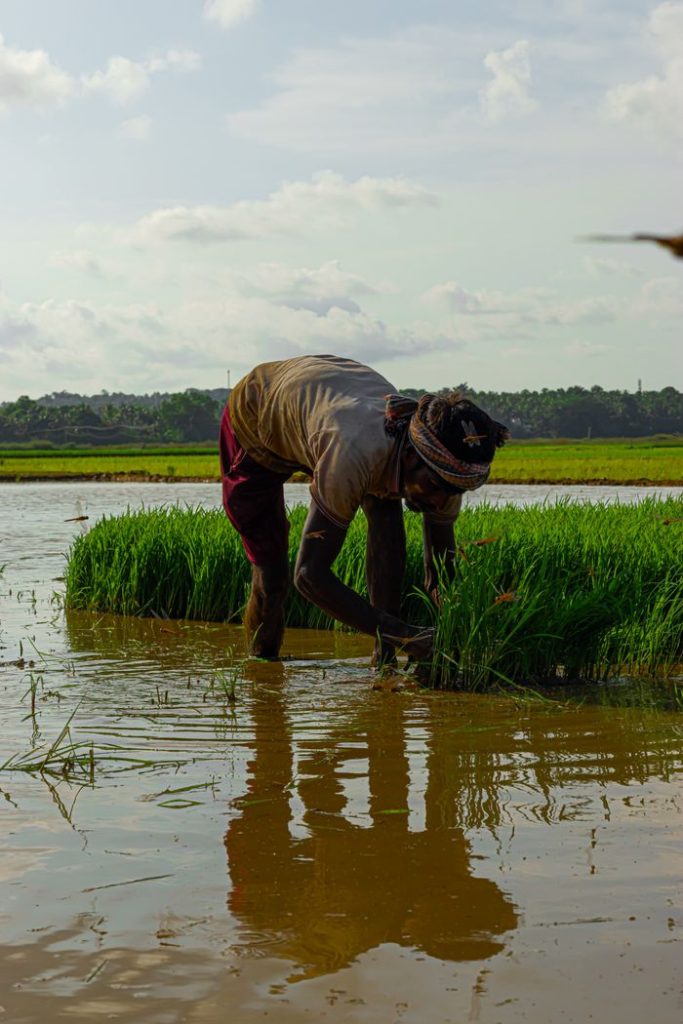
How to Grow Rice in Nigeria: A Practical Guide to Rice Farming, Cost, Yield and Profit
Rice is one of Nigeria’s most important food commodities and one of the most widely consumed staples in the country. From households and restaurants to food processors and retailers, demand for rice remains strong across Nigeria. The crop is therefore not only important for food security but also presents significant opportunities for farmers, processors, traders and other agribusinesses.
Nigeria has substantial potential for rice production because of its diverse agro-ecological zones, available land and large domestic market. Yet the rice value chain continues to face challenges including high production costs, limited mechanisation, irrigation constraints, post-harvest losses, inadequate storage and fluctuating market prices.
For anyone considering rice farming, understanding how to produce the crop is only part of the equation. Farmers also need to understand costs, yield, processing, market access and the factors that determine profitability.
Why Rice Farming Matters in Nigeria
Rice occupies a unique position in Nigeria’s agricultural economy. It is consumed across virtually every region and income group, making it one of the country’s most important staple foods.
Rice production supports a wide network of economic activities. Farmers cultivate the crop, while labourers, input suppliers, aggregators, transporters, millers, wholesalers and retailers all participate in the value chain. Rice milling and processing also create opportunities for businesses to add value to locally produced paddy.
Rice is cultivated in many parts of Nigeria, including Kebbi, Kano, Jigawa, Sokoto, Zamfara, Kaduna, Niger, Benue, Nasarawa, Taraba, Ebonyi, Enugu, Anambra, Cross River and other states.
The diversity of production systems means rice can be grown under rain-fed conditions, irrigated systems and lowland or upland environments, depending on the location and variety.
How to Grow Rice Successfully
The first step in successful rice farming is selecting an appropriate production environment. Rice requires adequate moisture, but the specific water requirements depend on the production system. Lowland rice, irrigated rice and upland rice are managed differently.
Farmers should select land with suitable soil characteristics and reliable water availability. Where possible, soil testing can help determine nutrient requirements and identify potential problems before planting.
Seed selection is equally important. Farmers should use quality seed from reliable sources and select varieties suited to their location, production system, maturity period and target market. Improved varieties can offer advantages such as higher yield potential, shorter maturity periods and improved tolerance to certain production challenges.
Rice can be established through direct seeding or by raising seedlings in a nursery and transplanting them into the field. The appropriate method depends on the farming system, labour availability, variety and available resources.
Where transplanting is used, seedlings are raised in a nursery and moved to the main field after they have become sufficiently established. Proper spacing allows plants to access adequate sunlight, nutrients and water while improving field management.
Water management is one of the most important aspects of rice production. In irrigated systems, farmers need to manage water carefully throughout the crop cycle rather than simply keeping fields continuously flooded without considering crop needs. Proper water management can improve productivity while reducing unnecessary water use.
Weed management is also critical, particularly during the early stages of crop development. Weeds compete with rice plants for nutrients, water and sunlight and can significantly reduce yields if left uncontrolled.
Farmers must also monitor for pests and diseases. Problems such as rice stem borers, rodents, birds and various fungal or bacterial diseases can cause losses. Regular field monitoring and integrated crop protection practices can help farmers identify problems before they become severe.
Where and When to Grow Rice
Rice can be cultivated across several ecological zones in Nigeria, but the ideal production period depends heavily on rainfall, water availability and the type of rice production system.
In rain-fed areas, planting is generally timed around the onset of reliable rainfall. Farmers should avoid planting simply based on a fixed calendar date because rainfall patterns can vary from year to year.
Irrigation creates greater flexibility and allows farmers to produce rice during periods when rain-fed production may not be possible. This can also create opportunities for multiple production cycles in some suitable areas.
Northern Nigeria has significant irrigated rice production, while several states in the North-Central and southern parts of the country have strong lowland and rain-fed rice production systems.
Climate variability presents an increasing challenge. Flooding, drought, irregular rainfall and extreme temperatures can affect rice establishment and yields. Access to reliable weather and water information can therefore improve farm planning.
Cost, Yield and Profitability of Rice Farming
Rice farming requires careful financial planning because production can involve substantial expenditure on land preparation, seed, fertiliser, weed control, labour, irrigation, harvesting, threshing, drying, transportation and milling.
Mechanisation can increase efficiency and reduce labour requirements, but machinery services also represent an important cost. Farmers should compare the cost of mechanised operations with expected productivity gains before making investment decisions.
Profitability can be calculated using:
Profit = Total Revenue − Total Cost
For paddy rice, total revenue depends on the quantity of paddy harvested and the price received per unit.
Farmers should also calculate their break-even price:
Break-Even Price = Total Cost ÷ Total Quantity Sold
This helps determine the minimum price required to cover production and marketing costs.
Yield varies considerably depending on the variety, soil fertility, water management, production system, farming practices and weather conditions. Improved management can significantly increase output, but farmers should avoid using unrealistic yield estimates when preparing a business plan.
Keeping detailed records is essential. Farmers should record input costs, labour, machinery expenses, irrigation costs, harvest quantities, transportation costs and selling prices. Without these records, it can be difficult to determine the actual profitability of the farm.
Harvesting, Processing and Marketing
Rice should be harvested when the crop has reached the appropriate maturity stage. Harvesting too early can result in immature grains, while excessive delays can increase losses from birds, rodents, weather and grain shattering.
After harvesting, paddy must be properly threshed and dried before storage or milling. Moisture management is particularly important because improperly dried paddy can deteriorate during storage and reduce milling quality.
Rice processing is a major part of the value chain. Paddy is transformed through milling into products that can be sold to consumers, wholesalers, retailers and institutional buyers.
The quality of milling can significantly affect the final value of rice. Poor milling may result in excessive broken grains, impurities or poor appearance, while modern processing equipment can improve quality and consistency.
Farmers can sell paddy to aggregators, rice mills, traders and processors. Those with access to processing facilities may also capture additional value by marketing milled rice rather than selling raw paddy.
Market timing is important. Rice prices can be influenced by domestic production, consumer demand, imported rice, exchange rates, transportation costs, seasonal supply and government policies.
Challenges and Common Mistakes
One of the major challenges facing rice farmers is the high cost of production. Fertiliser, labour, machinery, irrigation and transportation can significantly affect profitability.
Poor water management is another common problem. Too little water can stress the crop, while poorly managed flooding can damage fields and waste resources.
Farmers may also struggle with inadequate access to quality seeds and agricultural extension services. Using unsuitable varieties can result in poor yields or produce that does not meet the requirements of the target market.
Post-harvest losses are another concern. Poor threshing, drying, storage and transportation can reduce the quantity and quality of rice available for sale.
Perhaps the most important business mistake is failing to understand the distinction between paddy production and rice marketing. Producing paddy is only the beginning. Milling, packaging, branding and distribution can determine how much value is ultimately captured from the crop.
The Future of Rice Farming in Nigeria
Nigeria’s rice sector has significant room for expansion. The country’s large domestic market provides a strong foundation for local production, while improvements in irrigation, mechanisation, improved seeds, modern milling and storage could significantly increase productivity.
The future of rice farming is also likely to involve greater integration between farmers and processors. Stronger relationships between producers and mills can provide more predictable markets while helping processors secure consistent supplies of quality paddy.
Mechanisation can also transform the sector. Land preparation, planting, harvesting, threshing and processing are areas where machinery can improve efficiency and reduce labour constraints.
There is also considerable opportunity for investment in rice storage and processing infrastructure. Better facilities can reduce post-harvest losses and improve the quality of locally processed rice.
Ultimately, Nigeria’s rice opportunity is not simply about producing more paddy. It is about developing a competitive value chain that can efficiently move rice from the farm to the consumer.
Frequently Asked Questions
Is rice farming profitable in Nigeria?
Rice farming can be profitable when farmers achieve good yields, manage production costs effectively and have reliable access to markets. Profitability varies depending on location, production system, yield and market prices.
Which states are major rice-producing areas in Nigeria?
Important rice-producing areas include Kebbi, Kano, Jigawa, Sokoto, Kaduna, Niger, Benue, Nasarawa, Taraba, Ebonyi, Anambra and several other states.
Can rice be grown during the dry season?
Yes. Irrigated rice production allows farmers to cultivate rice during the dry season in areas with reliable water infrastructure.
What is the difference between paddy rice and milled rice?
Paddy is rice harvested from the field before milling. Milling removes the husk and processes the grain into the rice normally purchased and consumed by households.
How can rice farmers increase profitability?
Farmers can improve profitability through quality seed, better water and nutrient management, mechanisation where appropriate, reduced post-harvest losses, improved storage and stronger links with processors and buyers.
Why is rice processing important?
Processing adds value to paddy and improves its marketability. Better milling, grading, packaging and branding can allow businesses to capture more value within the rice value chain.
Commodity.ng Insight
Rice demonstrates why Nigeria’s agricultural future must be built around the entire value chain, not production alone.
A farmer may produce a good harvest, but the real economic opportunity depends on what happens after harvest—how the paddy is dried, stored, transported, milled, packaged and eventually sold.
Market intelligence is equally important. Farmers need to understand production costs, paddy prices, consumer demand, seasonal trends and the factors influencing the rice market before making major production decisions.
This is where Commodity.ng aims to contribute to Nigeria’s agricultural economy.
By providing commodity prices, market intelligence and information about agricultural markets, Commodity.ng helps farmers, traders, processors and investors better understand the forces shaping commodity prices and opportunities.
For rice farmers, the objective should not simply be to produce more paddy. It should be to produce efficiently, reduce post-harvest losses, improve quality and connect production to profitable markets.
The future of Nigerian rice will depend on how effectively we connect the farmer, the processor, the market and the consumer.
Discover more from Commodity Nigeria
Subscribe to get the latest posts sent to your email.



Bermanfaat. Coba WanVideoGen: — image-to-video dan multimodal. WanVideoGen
I like this
The content is really great
You choose a race, a class, and a zone, then survive waves of enemies. d22f251a.