
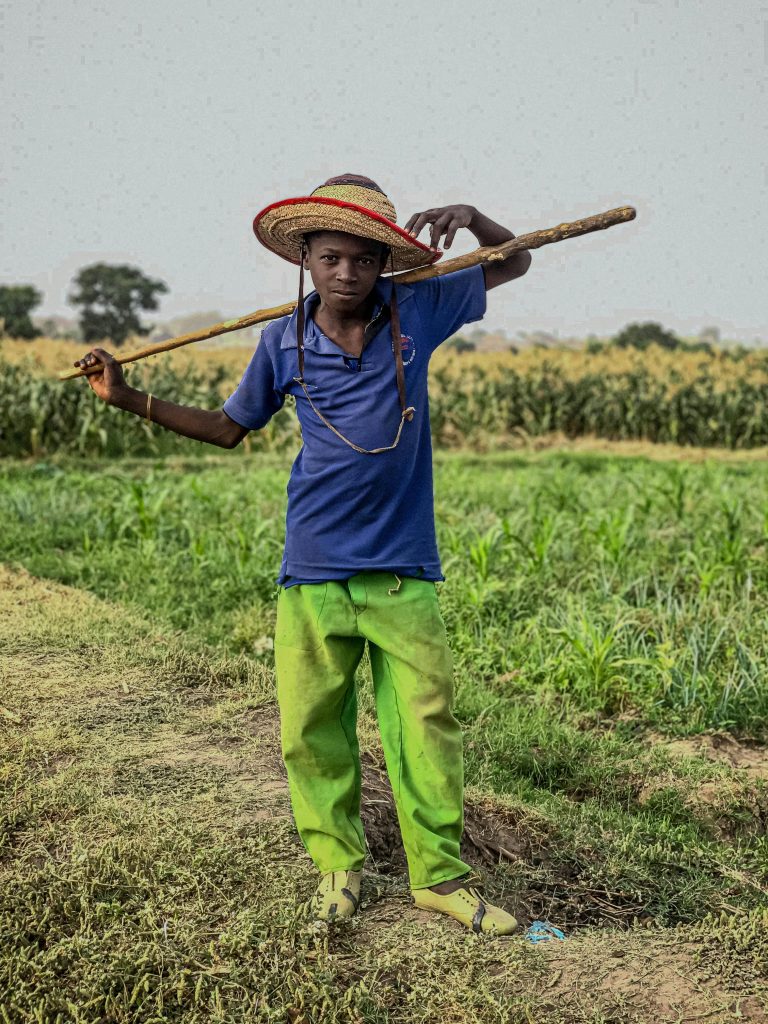
A renewed push to address Nigeria’s protracted farmer-herder crisis is gaining momentum as key stakeholders prepare to gather in Abuja for the Agricultural Mechanization for Export-Quality Products in Africa Expo (AGROMEQA EXPO 2026).
The two-day event, organised by the Abuja Chamber of Commerce and Industry (ACCI) in collaboration with JMT Plus Farms and Agro-Allied, aims to reposition Nigeria’s agricultural sector from subsistence-driven practices to a mechanised, export-oriented system.
Beyond its economic ambitions, the expo is expected to serve as a strategic platform for dialogue between farmers, herders, policymakers, and investors, with the goal of addressing the long-standing tensions that have disrupted food systems, rural economies, and national stability.
Over the years, disputes between farming communities and pastoralists—largely driven by competition for land and water—have escalated due to climate pressures, rapid population growth, and weak land governance structures. The resulting clashes, particularly in the Middle Belt, have led to significant loss of lives, displacement, and reduced agricultural output.
Speaking ahead of the event, ACCI President Emeka Obegolu noted that AGROMEQA EXPO 2026 will convene critical players across the value chain to explore practical, long-term solutions. He emphasized the importance of fostering dialogue and aligning policies to ease tensions and promote coexistence.
Nigeria’s Vice President, Kashim Shettima, is expected to officially open the event, signaling federal support for the initiative.
Organisers say the expo, themed “Technology and Investment for Agro-Export,” will highlight how mechanisation and innovation can drive productivity while reducing the underlying pressures that fuel conflict. Modern solutions such as irrigation systems, climate-smart agriculture, and precision farming tools are expected to feature prominently.
The event will include live demonstrations of advanced agricultural machinery, technical workshops, plenary discussions, and business-to-business engagements designed to connect local producers with investors.
Delivering the keynote address will be Jani Ibrahim, President of the Nigerian Association of Chambers of Commerce, Industry, Mines and Agriculture (NACCIMA), who is expected to focus on unlocking private sector investment to scale Nigeria’s agro-export potential.
With participation anticipated from investors across Africa, AGROMEQA EXPO 2026 is also positioning Nigeria as a continental hub for agribusiness innovation and export competitiveness. A Schools’ Agro Exhibition and Competition is included to encourage youth participation in agriculture.
Organisers maintain that the success of the initiative will depend on sustained collaboration between government, private investors, and development partners.
Commodity.ng Insight
AGROMEQA EXPO 2026 represents more than another industry gathering—it reflects a growing recognition that Nigeria’s farmer-herder crisis cannot be solved through security measures alone. The linkage between agricultural productivity and conflict resolution is becoming clearer.
Mechanisation and climate-smart agriculture can reduce the dependence on expansive land use, which lies at the heart of many disputes. However, technology alone will not resolve the crisis. Without clear land-use policies, grazing frameworks, and enforceable agreements, the risk of continued conflict remains high.
What stands out is the deliberate inclusion of herders in the conversation. Historically, many interventions have been one-sided, focusing heavily on crop farming while neglecting pastoral systems. A balanced approach that integrates livestock modernization—such as ranching and feedlot systems—will be critical.
The focus on export-oriented agriculture is also significant. If properly executed, it could increase farmers’ incomes, attract foreign exchange, and incentivize investment into rural areas. But this ambition must be matched with infrastructure development—particularly in logistics, storage, and processing.
Ultimately, the expo’s real impact will depend on what happens after the discussions end. Nigeria has hosted numerous agricultural summits in the past, but implementation has often lagged behind policy conversations.
If AGROMEQA EXPO 2026 succeeds in translating dialogue into actionable policies, investments, and measurable outcomes, it could mark a meaningful step toward both agricultural transformation and lasting rural peace.
Discover more from Commodity Nigeria
Subscribe to get the latest posts sent to your email.


Evotaya777, right? Tried it out last week. Nothing too spectacular, but everything works as it should. Decent for a casual punt at evotaya777