Nigeria’s cold-chain logistics sector is fast becoming one of the most attractive opportunities in agribusiness, with experts estimating a market gap of about N160 billion. As post-harvest losses continue to drain billions from the economy, investors are increasingly viewing temperature-controlled storage and transport as the next major frontier in agricultural infrastructure.
However, behind this opportunity lies a deeper crisis: Nigeria loses a significant portion of its food production before it ever reaches consumers.
Billions Lost Annually to Post-Harvest Inefficiencies
According to the Organization for Technology Advancement of Cold Chain in West Africa (OTACCWA), Nigeria recorded between N3.5 trillion and N5 trillion in food losses in 2025, equivalent to roughly 30–40 million metric tonnes of agricultural produce.
These losses cut across major food categories including tomatoes, fruits, vegetables, fish, meat, dairy, and root crops.
Industry experts describe this as one of the most severe inefficiencies in Africa’s food systems.
Commodity.ng Insight: The Real Crisis Is Not Production, but Preservation
Nigeria’s agricultural challenge is often misunderstood as a production problem. In reality, the country produces enough food but loses a large share due to weak preservation systems.
This means food security gains can be achieved faster through logistics, storage, and cold-chain investment than through production expansion alone.
Traders Bear the Brunt of Infrastructure Failure
Across major markets such as Mile 12 in Lagos, traders continue to report severe losses during transportation. In many cases, over 50% of perishable goods spoil before arrival, especially on long-distance routes such as Jos to Lagos.
From tomato sellers to fruit vendors, the pattern is consistent: goods arrive late, damaged, or already rotten due to lack of temperature control during transit.
Nigeria’s Severe Cold-Chain Infrastructure Deficit
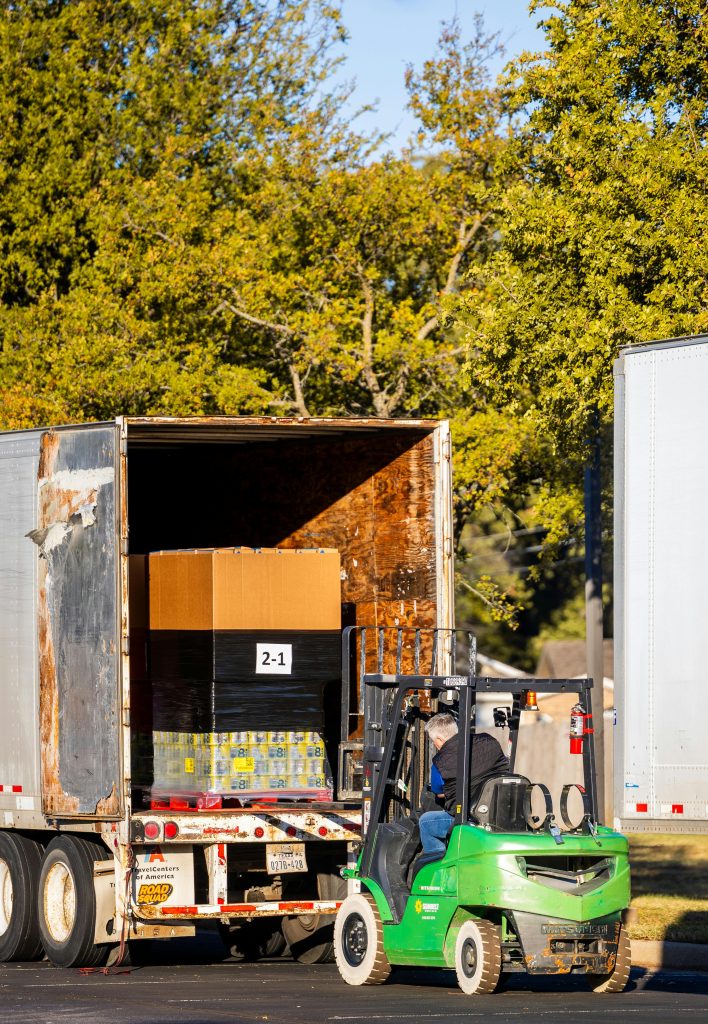
Despite its large agricultural output, Nigeria operates with fewer than 1,000 functional cold trucks, far below the estimated 25,000 required to efficiently transport perishable food nationwide.
The country’s cold-chain market, valued at around N160 billion, remains significantly underdeveloped.
Commodity.ng Insight: A High-Demand, Low-Supply Investment Gap
This imbalance represents a classic infrastructure investment gap. Demand for cold-chain services already exists across farming and retail sectors, but supply remains critically low.
Investors who solve energy, transport, and storage constraints simultaneously are positioned to dominate a rapidly expanding market.
What Is Driving Cold-Chain Growth?
Several macro and structural factors are accelerating interest in the sector:
- Rising import demand for perishable food items
- Expansion of agritech and logistics startups
- Trade opportunities under AfCFTA
- Adoption of IoT-based monitoring systems
- Weak competition in cold-chain infrastructure
Market intelligence firms such as Ken Research project strong growth in the sector heading into 2026.
Structural Challenges Slowing Expansion
Despite strong demand, investors face significant barriers:
- High dependence on diesel-powered generators
- Unstable electricity supply
- Expensive import duties and currency volatility
- Poor rural road infrastructure
- Limited storage and logistics facilities
- Regulatory delays and policy inconsistency
- Shortage of skilled cold-chain technicians
Commodity.ng Insight: Energy Costs Are the Biggest Profit Driver
Cold-chain profitability in Nigeria is highly sensitive to energy costs. Without stable and affordable power, operating expenses can quickly erode margins.
This makes renewable energy integration (solar hybrid systems and efficient cooling technology) a key differentiator for successful investors.
The Scale of the Opportunity
Industry estimates show Nigeria is currently operating at only about 4% of required cold-chain capacity, leading to annual losses of up to N3.5 trillion.
The inefficiency spans across harvesting, transport, storage, and distribution.
Cost of Entry: Cold Rooms and Equipment
Cold room construction costs typically range between N6 million and N15 million, depending on size (3–20 tons capacity).
Key requirements include:
- Reliable cooling systems
- Backup power or hybrid energy solutions
- Refrigerated transport systems
- Packaging and handling infrastructure
Profitability and Investment Hotspots
Cold-chain ventures can generate estimated returns of 10%–20% ROI, depending on efficiency and scale.
Key demand hubs include:
- Lagos (distribution and imports)
- Jos (fresh produce production hub)
- Kano (agri-trade corridor)
- Abuja (high consumption center)
- Rivers State (logistics and ports)
Commodity.ng Insight: Winners Will Be Integrated Operators
The highest returns will not come from standalone cold rooms, but from integrated cold-chain ecosystems—combining storage, transport, and distribution.
Fragmented solutions will struggle to compete in a system where inefficiency is the core problem.
Emerging Players in the Sector
Companies such as Ecotutu, Coldbox Stores, and MDS Logistics are already operating in the space, but industry experts agree the market is still far from saturation.
The current gap leaves room for new entrants, especially those leveraging technology and alternative energy solutions.
Conclusion
Nigeria’s cold-chain sector sits at the intersection of crisis and opportunity. While billions are lost annually to post-harvest inefficiencies, the same gap represents one of the most promising investment openings in agriculture.
The future of food security in Nigeria will depend not only on how much is produced, but on how efficiently it is preserved, transported, and delivered.
In simple terms:
The next agribusiness boom is not just on the farm—it is in the journey from farm to fridge.
Discover more from Commodity Nigeria
Subscribe to get the latest posts sent to your email.