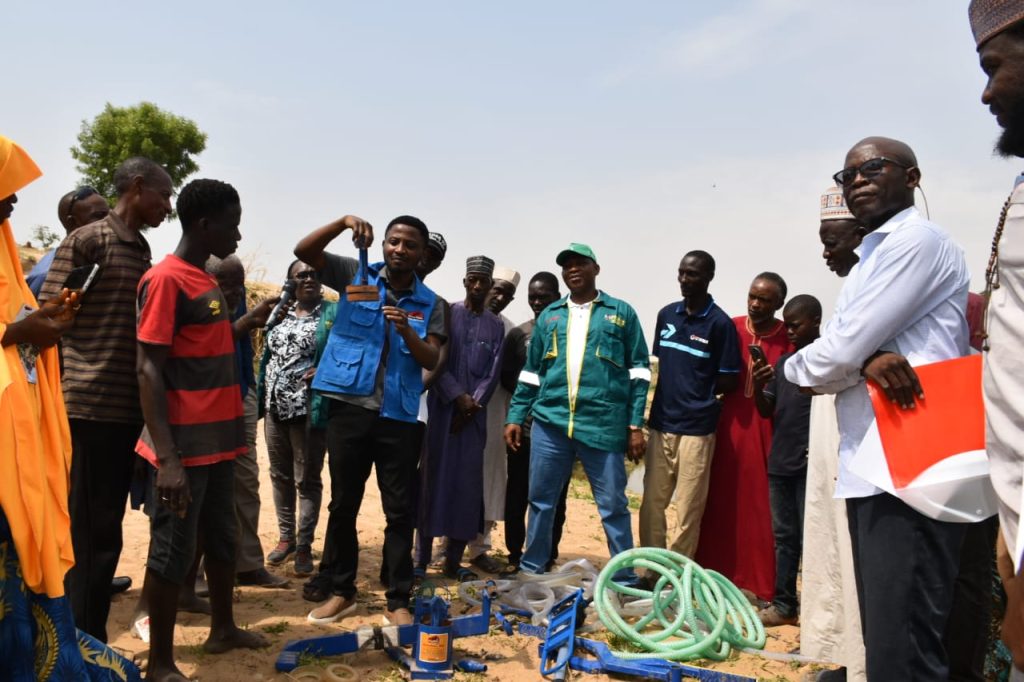
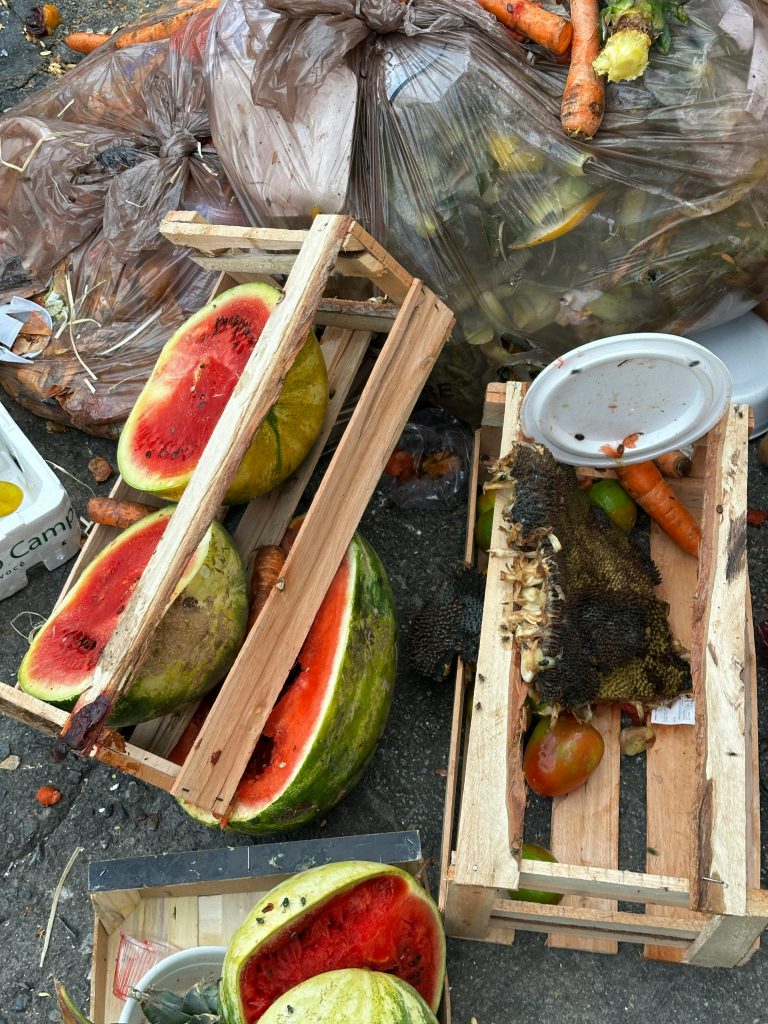
Nigeria faces a troubling contradiction: while millions struggle with hunger, the country simultaneously wastes an enormous volume of food annually. Reports indicate that Nigeria is currently the highest food waster in Africa, despite widespread food insecurity affecting its population.
In 2025, the Global Hunger Index ranked Nigeria 115th out of 123 countries, placing it in the “serious hunger” category. This highlights a deep structural imbalance between food availability, distribution, and access across the country.
Massive Food Waste and Economic Loss
According to Zissimos Vergos, Deputy Ambassador of the EU Delegation to Nigeria and ECOWAS, Nigeria wastes about 38 million tonnes of food every year, the highest in Africa. Globally, nearly one billion tonnes of food were wasted in 2022 alone, representing almost one-fifth of all food available to consumers.
He stressed that food waste is not just a loss of produce but also a waste of resources such as land, labour, water, and energy, while worsening hunger and environmental damage.
From an economic standpoint, Nigeria reportedly loses between $3.7 billion and $10 billion annually, equivalent to about 40% of farm produce. This contributes directly to rising food prices and worsening poverty, which the World Bank estimates at around 63% in 2025.
Inflation and Rising Food Costs
Nigeria’s food inflation has remained volatile. The National Bureau of Statistics reported a rise to 12.12% in February 2026, reversing the earlier single-digit improvement recorded in January.
Commodity.ng Insight
This spike reflects a deeper structural issue beyond production. Nigeria’s food inflation is increasingly driven by inefficient supply chains, high transport costs, insecurity along farming routes, and post-harvest losses, rather than just low agricultural output. Even when harvests improve, weak logistics and purchasing power distort market stability and keep prices elevated.
Why Food Waste is Rising
Several factors contribute to the crisis:
- Poor storage infrastructure
- Inadequate rural road networks
- Weak cold chain systems
- High transportation costs and insecurity
- Low purchasing power among consumers
A recent example saw pineapple farmers discard unsold produce due to lack of buyers, revealing a deeper demand problem rather than simple oversupply.
Commodity.ng Insight
Nigeria’s food waste crisis is increasingly demand-driven rather than supply-driven. Low purchasing power means food often exists in the market but cannot be absorbed, creating a paradox where abundance coexists with hunger and waste occurs simultaneously.
Government Response and Structural Gaps
The Federal Government has announced plans to strengthen the Strategic Food Reserve to stabilise supply and prices. There are also ongoing efforts to reduce post-harvest losses through infrastructure and storage improvements.
Commodity.ng Insight
While these interventions are positive, they remain largely reactive rather than systemic. Without strong investment in rural logistics, cold storage networks, and guaranteed off-take systems for farmers, food reserves alone cannot resolve the structural inefficiencies driving waste.
Environmental Impact of Food Waste
Food waste contributes about 5% of Nigeria’s greenhouse gas emissions, worsening environmental degradation and pollution.
Recommended solutions include:
- Solar-powered cold storage systems
- Food processing and drying technologies
- Composting and organic recycling
- Improved transportation systems
Cold hub deployment in 28 states could extend shelf life of produce from 2 days to up to 21 days, significantly reducing spoilage.
Structural Challenges in Agriculture
Nigeria produces large quantities of staples such as cassava, yam, maize, and rice, with up to 80% of production originating from rural areas.
However, only about 10–15% of rural roads are motorable, severely limiting access to markets and increasing post-harvest losses.
Commodity.ng Insight
Nigeria’s agricultural challenge is not production capacity but market connectivity failure. Without functional rural infrastructure, increased harvests do not translate into improved food security or farmer income, but instead result in higher waste levels.
Lessons from Global Practices
Countries like India have reduced food waste through:
- Cold chain expansion
- Food banks and surplus redistribution
- Waste segregation systems
- Public awareness campaigns
- Strong food processing investments
India also integrates NGOs and private sector actors to recover surplus food and distribute it to vulnerable populations.
Commodity.ng Insight
India’s success highlights the importance of system integration across government, private sector, and civil society. Nigeria’s fragmented approach limits the effectiveness of otherwise promising agricultural and food security policies.
Conclusion
Nigeria’s food waste crisis reflects a structural contradiction: high agricultural output alongside widespread hunger and poverty.
Without urgent improvements in infrastructure, logistics, storage systems, and purchasing power, food insecurity will persist despite abundant production.
Ultimately, food security will depend not only on producing more food, but on reducing losses and ensuring affordability and access across the value chain.
Discover more from Commodity Nigeria
Subscribe to get the latest posts sent to your email.