
Nigeria has the land, climate, and proximity to a growing global market, yet the country’s coffee sector remains largely untapped. Coffee cultivation has always existed in Nigeria, but the critical question is: why does a nation with ideal conditions for specialty coffee produce so little for the global market?
The answer is multi-layered. Structural challenges, inconsistent attention, and an uncomfortable truth persist: you cannot build a processing industry for a product that is not widely consumed domestically. Competing with global giants like Nestlé requires resources and investment—yet that is not an excuse for inaction, but a call for strategic clarity.
A Sector in Numbers
Nigeria’s coffee culture is still nascent. Coffee accounts for just 2.3% of non-alcoholic beverages consumed locally, with significant imports filling domestic demand from neighbouring countries, China, and processors in Côte d’Ivoire. In the first nine months of 2024, Nigeria recorded zero coffee exports. While other African nations were expanding their presence in international markets, Nigeria missed the opportunity entirely.
This divergence is both a problem and an opportunity.
Farmers Left Behind
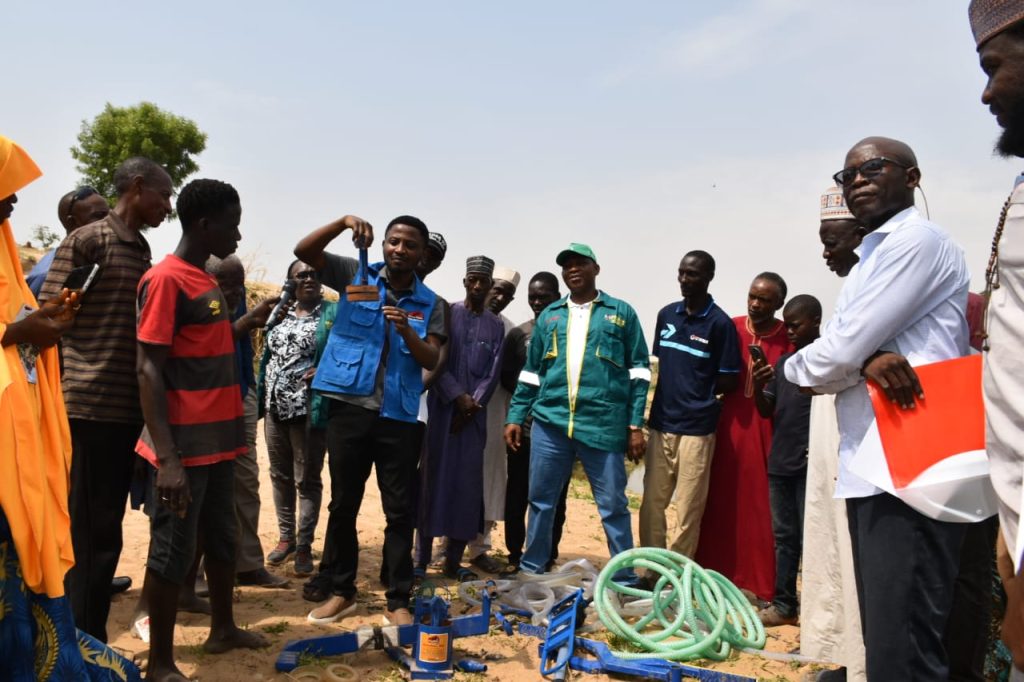
Decades of neglect have taken their toll. Smallholder farmers face inconsistent buyers, poor pricing, limited knowledge, and minimal access to credit. Over 90% of coffee farmers cite poor pricing and lack of market information as reasons for reducing or abandoning production.
In Ondo State, families uprooted coffee trees planted by their grandparents—not due to cocoa being more profitable, but because buyers consistently failed to show up. Only 5.3% of farmers in key producing regions are aware of international export quality standards, while 64% attribute losses to poor post-harvest processing.
Many trees are 40–50 years old, and with labour accounting for over 95% of farming costs, little margin exists to improve production. Access to credit is also limited: only 42.3% of farmers can secure financing. In 2019, farmers in Kogi earned an average of ₦66,291 per month from coffee—a viable but non-scalable business without investment.
Nigeria’s Untapped Potential
Nigeria’s highlands—including the Mambilla Plateau, Obudu, and Jos Plateau—sit at altitudes of 1,600–2,000 meters, with volcanic soils and annual rainfall between 2,000–3,000mm. These conditions are highly sought after by specialty Arabica buyers worldwide.
Across the border, Cameroon’s Western Highlands demonstrate what is possible. Since the launch of FestiCoffee in 2012, local roasting jumped eightfold in a single crop year, supported by quality standards, farmer associations, and national policy frameworks. The result: a coffee sector actively sought by international buyers.
There is nothing Nigeria cannot match agriculturally—the gap is institutional, not environmental.
Three Investment Opportunities
- Quality-Price Arbitrage
Transforming post-harvest practices can unlock revenue. Currently, coffee berries are dried with the fruit coat intact, lowering quality and leading to rejection at European ports. Investments in wet-processing mills and farmer training can elevate bean quality and access premium markets. - Infrastructure as a Catalyst
Exporting goods from Nigeria currently takes 128 hours, compared with a global average of 53 hours. The completion of the $1.5 billion Lekki deep seaport and its rail network offers a structural shift. Locating aggregation, processing, or cold-chain facilities near these hubs can reduce costs and improve competitiveness. - Institutional Tailwinds
The National Tea and Coffee Development Council Bill is progressing through the Senate, while the $950 million Africa Coffee Facility (ACF) aims to boost high-quality African exports by 40%. The zero-export status of 2024 is a baseline, not a permanent state, offering early investors the chance to shape standards rather than follow them.
The Bottom Line
What Cameroon has that Nigeria lacks is time, sustained attention, and deliberate investment in farmers. No secret infrastructure or magic seed variety is required—just consistent effort applied to the right problems.
Nigeria has the potential to move from subsistence to a commercial model, capturing $2 billion in annual revenue through a high-quality, locally driven value chain. The critical question: will the private sector act now, or wait for policy frameworks that may arrive too late?
Discover more from Commodity Nigeria
Subscribe to get the latest posts sent to your email.