How to Grow Cowpea (Beans) in Nigeria: A Practical Guide to Bean Farming, Cost, Yield and Profit
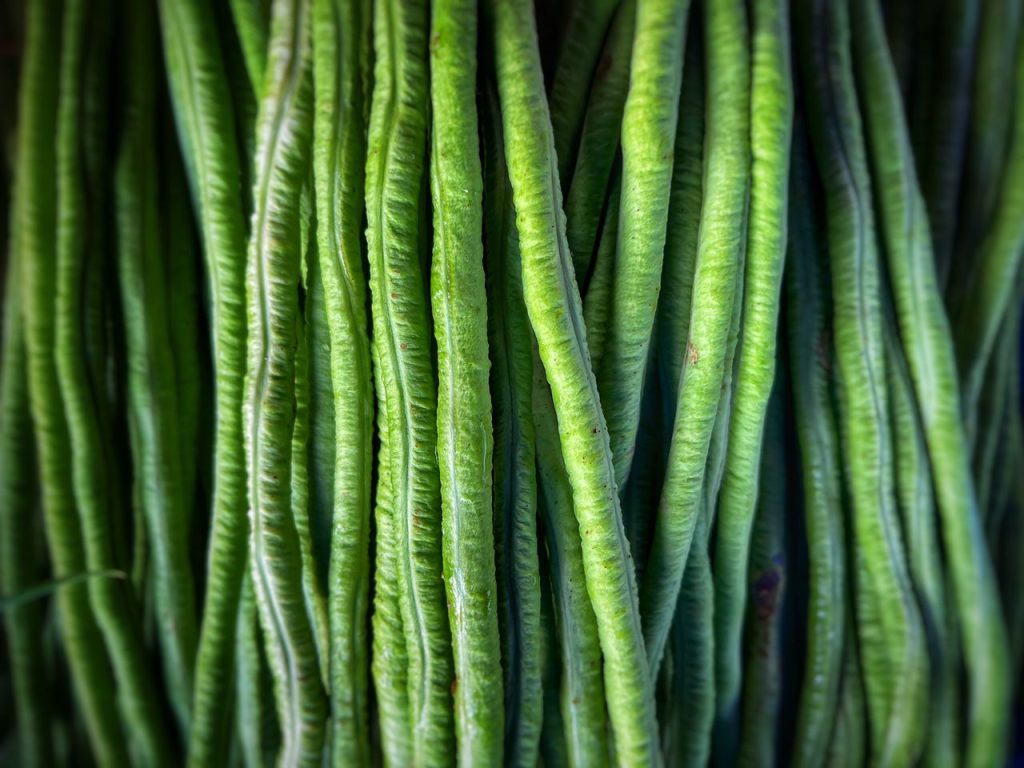
Cowpea, commonly known as beans in Nigeria, is one of the country’s most important food crops. It is a major source of affordable plant protein and is consumed by millions of Nigerians in forms ranging from cooked beans and akara to moi moi, bean flour and numerous traditional dishes.
Beyond household consumption, cowpea supports a large agricultural economy involving farmers, aggregators, traders, processors, transporters and retailers. It is particularly important across Northern Nigeria, where climatic conditions favour production and where the crop plays an important role in household incomes and food security.
Cowpea is also an interesting crop commercially because it has a relatively short production cycle compared with perennial crops. Under suitable conditions, some improved varieties can be harvested within roughly two to three months. This makes it attractive to farmers seeking faster returns from cultivated land.
However, cowpea farming is not without challenges. Insect pests, especially during flowering and pod formation, can severely affect yields. Storage pests can also destroy harvested grain if it is not properly protected. For a commercial farmer, therefore, profitability depends on much more than planting and harvesting.
The objective should be to produce high-yielding, good-quality cowpea at a controlled cost and connect it to the right market at the right time.
How to Grow Cowpea Successfully
Cowpea performs particularly well in warm environments and is relatively tolerant of dry conditions once established. This makes it especially suitable for many parts of Northern Nigeria.
Important producing areas include Kano, Katsina, Jigawa, Kaduna, Bauchi, Zamfara, Sokoto, Kebbi, Yobe, Borno, Gombe, Adamawa, Plateau, Niger, Benue and Nasarawa, although production takes place across a much wider area.
The crop prefers well-drained soils and should not be planted in fields that remain waterlogged. Proper land preparation helps establish good plant populations and reduces early competition from weeds.
Seed selection is critical. Farmers should use good-quality, improved seed suited to their production environment rather than relying solely on grain purchased from the open market. Different varieties have different maturity periods, yield potential, disease resistance and suitability for particular environments.
The choice of variety should also consider the target market. A farmer producing for household consumption may have different preferences from one supplying a commercial processor or large grain trader.
Cowpea is generally planted at the beginning of the rainy season in rain-fed systems, although the precise planting period depends on location and rainfall patterns. In some areas, farmers can also produce cowpea during the dry season where irrigation is available.
Because cowpea has a relatively short growth cycle, timing is important. Farmers should ensure that sufficient moisture is available during establishment and flowering while avoiding conditions that encourage excessive disease or waterlogging.
Weed control is particularly important during the early growth stages. Weeds compete with cowpea for sunlight, nutrients and moisture, potentially reducing yield. Farmers should establish an effective weed-management programme appropriate to their farming system.
One of the most important aspects of cowpea production is pest management.
Aphids, pod borers, thrips and other insects can attack the crop, particularly around flowering and pod development. In severe infestations, farmers can lose a substantial portion of their potential harvest.
Farmers should therefore monitor their fields regularly rather than waiting until extensive damage has occurred. Where pesticides are required, only approved products should be used according to their labels and recommended application rates, with appropriate protective measures and observance of the required pre-harvest interval.
Integrated pest management can also help reduce unnecessary chemical use by combining field monitoring, resistant varieties, cultural practices and targeted interventions.
Where and When Should You Grow Cowpea?
Nigeria’s northern belt is particularly suitable for cowpea because of its warm climate and relatively lower rainfall compared with the humid southern zones.
The crop’s ability to perform under relatively dry conditions gives it an important advantage in areas where water availability limits the production of some other crops.
However, drought tolerance should not be confused with complete independence from rainfall. Moisture stress at critical stages can still reduce flowering, pod formation and grain development.
Farmers should therefore pay close attention to seasonal rainfall forecasts and local weather conditions when determining planting dates.
Cowpea also has an important agronomic advantage: it is a legume.
Through biological nitrogen fixation, cowpea can contribute nitrogen to the farming system, particularly when properly managed and incorporated into crop rotations. This makes it useful in rotations involving cereals such as maize and sorghum.
For example, a farmer can integrate cowpea into a maize-based system rather than viewing each crop as an isolated enterprise. Better rotations can contribute to soil management while diversifying farm income.
Cost, Yield and Profitability of Cowpea Farming
The economics of cowpea farming depend on land preparation, seed, labour, fertiliser or soil amendments, weed management, pest control, harvesting, threshing, transportation and storage.
Compared with some crops, cowpea can be attractive because its relatively short production cycle means farmers may not have to wait an entire year to generate revenue.
But short-cycle farming does not mean low-cost farming.
Pest management can become a significant expense, especially where farmers depend heavily on insecticides. Labour costs can also rise during periods when many farmers are harvesting simultaneously.
A farmer should therefore calculate the total cost per hectare before planting.
For example, if a farmer spends ₦400,000 on one hectare and harvests 1.5 tonnes of marketable cowpea, the production cost is approximately ₦267 per kilogram before financing and certain post-harvest expenses.
If the farmer sells the crop at an average of ₦800 per kilogram, gross revenue would be approximately ₦1.2 million, leaving ₦800,000 before additional expenses and taxes.
This is only an illustrative calculation. Actual cowpea prices and yields can vary significantly by variety, state, season, quality and market.
The important point is that farmers should calculate profitability using their actual expected production cost and realistic local market price, rather than assuming that high market prices automatically mean high profits.
Price timing can also have a major effect.
Immediately after harvest, large volumes of cowpea can enter local markets simultaneously, putting downward pressure on prices. Farmers with access to appropriate storage and working capital may have more flexibility in deciding when to sell.
But storage itself has a cost and carries risks. The farmer must compare the expected increase in selling price with storage, financing, transportation and potential quality losses.
Harvesting, Storage and Marketing
Cowpea is harvested when the pods have matured and dried sufficiently. Depending on the variety and production system, harvesting may take place in stages where pods mature at different times.
After harvesting, the crop must be properly dried, threshed, cleaned and sorted.
Post-harvest handling is particularly important because cowpea is highly vulnerable to storage pests.
The cowpea weevil, commonly associated with stored beans, can cause significant damage after harvest. Infestation can reduce both the quantity and quality of stored grain.
This makes proper storage technology an essential part of commercial cowpea production.
Farmers and aggregators can use appropriate hermetic storage systems, improved bags and other recommended storage technologies to reduce insect infestation without depending excessively on unsafe chemical treatments.
Good storage also creates a potential marketing advantage.
Instead of being forced to sell immediately after harvest, farmers who can preserve quality may have greater flexibility to wait for more favourable market conditions. However, this strategy should be based on actual market intelligence rather than speculation.
Cowpea moves through a large network of rural and urban markets. Major trading centres connect producing areas with large consumption markets such as Kano, Kaduna, Abuja, Lagos, Ibadan and other major cities.
There are also opportunities for value addition. Cowpea can be processed into flour and used in products such as akara and moi moi, while damaged or lower-grade grain can enter other processing channels where appropriate.
This means the commodity’s value chain extends far beyond the farm.
Common Challenges in Cowpea Farming
The biggest production challenge for many cowpea farmers is pest pressure.
Insects can attack the crop at different stages, and severe infestations can dramatically reduce yields. Farmers who fail to monitor fields and respond appropriately can spend money producing a crop that ultimately generates disappointing returns.
Another challenge is the quality of planting seed.
Farmers sometimes purchase grain from informal markets and use it as planting material without knowing its variety, germination quality or disease status. This can result in uneven crop establishment and lower productivity.
Climate variability is another concern. Unpredictable rainfall can affect planting dates, flowering and grain development. Excessive rainfall can also create disease problems and harvesting difficulties.
Post-harvest losses are equally important.
Producing a tonne of cowpea means little if a significant percentage is subsequently lost to insects, moisture, poor handling or inadequate storage.
Finally, market volatility can affect profitability. The price a farmer receives at harvest can be very different from the price observed several months earlier.
This is why production planning and market intelligence need to work together.
The Future of Cowpea Farming in Nigeria
Cowpea has a particularly important role in Nigeria’s food system because it combines nutrition, affordability, short production cycles and smallholder participation.
As Nigeria’s population continues to grow, demand for affordable protein is likely to remain important. Cowpea also fits naturally into diversified farming systems and can complement cereal production.
There is substantial opportunity to improve productivity through better varieties, mechanisation, improved pest management, irrigation, extension services and access to finance.
Processing is another area with considerable potential.
Nigeria does not have to view cowpea exclusively as a raw grain. Greater investment in cleaning, grading, packaging, milling and food manufacturing can create additional value and employment.
The storage industry also presents opportunities. Warehouses and structured commodity-storage systems can help reduce distress selling and improve the connection between harvest-season supply and year-round consumer demand.
For investors, this means opportunities exist at multiple levels:
inputs → production → aggregation → storage → processing → distribution → retail.
The future of cowpea farming is therefore not simply about producing more beans. It is about building a more efficient cowpea value chain.
Frequently Asked Questions
Is cowpea farming profitable in Nigeria?
Cowpea can be profitable when farmers achieve good yields, control production costs and access favourable markets. However, pest pressure, input costs, post-harvest losses and price fluctuations can significantly affect returns.
Which states produce the most cowpea in Nigeria?
Cowpea production is concentrated heavily in Northern Nigeria, with important production areas including Kano, Katsina, Jigawa, Kaduna, Bauchi, Zamfara, Sokoto, Kebbi, Yobe, Borno, Gombe and Adamawa, as well as parts of North-Central Nigeria.
How long does cowpea take to mature?
Depending on the variety and production conditions, cowpea can mature in approximately 60–90 days, although some varieties may require longer.
How many tonnes of cowpea can one hectare produce?
Yield varies according to variety, soil, rainfall, pest management and farming practices. Improved varieties under good management can produce significantly more than poorly managed traditional crops, but farmers should use locally relevant yield expectations when preparing their budgets.
What is the biggest pest problem in cowpea farming?
Cowpea can be attacked by several insects, including aphids, thrips and pod borers. Storage pests such as cowpea weevils can also cause serious post-harvest losses.
Can cowpea be grown during the dry season?
Yes. With access to suitable irrigation and appropriate production practices, cowpea can be produced during the dry season in some parts of Nigeria.
Is cowpea good for the soil?
Yes. As a legume, cowpea can contribute to soil fertility through biological nitrogen fixation. It can therefore be an important component of crop rotation systems.
Can cowpea be stored for several months?
Yes, provided it is properly dried and stored using appropriate methods that protect the grain from moisture, insects and other sources of deterioration.
Commodity.ng Insight
Cowpea is one of the clearest examples of the relationship between agriculture, food security and market intelligence.
Nigeria does not simply need more beans.
It needs better beans, better storage, better markets and better information.
A farmer deciding whether to plant cowpea needs to understand expected production costs, rainfall conditions, pest risks, seed availability and the likely market for the harvest.
Once the crop is produced, the farmer faces another set of questions:
What is the current price? Which market is paying more? Should I sell immediately? Can I afford to store? Where is demand strongest? What will transportation cost? What quality does the buyer require?
These questions can determine whether a harvest becomes a profitable business or merely another cycle of production and distress selling.
This is where Commodity.ng’s broader agricultural intelligence model becomes important.
Commodity.ng can help connect the different parts of the commodity equation—prices, markets, production, weather, supply, demand and opportunities—so that farmers and businesses can make decisions based on information rather than assumptions.
The opportunity also extends beyond farming.
Nigeria’s cowpea economy creates opportunities for seed companies, input suppliers, mechanisation providers, aggregators, warehouses, processors, transporters, wholesalers and retailers.
For investors, the important question is therefore not simply:
“How much does a bag of beans cost?”
It is:
“Where is value being created across the cowpea value chain, and what information can help me participate more efficiently?”
That is the future of commodity intelligence.
Cowpea will remain important to Nigeria because it feeds households, supports farmers and contributes to the country’s protein supply. But unlocking its full economic potential will require improvements in productivity, pest management, storage, processing, market access and reliable price information.
The farmer who understands both the farm and the market is better positioned to turn cowpea production into a sustainable commercial enterprise.
Commodity.ng — turning agricultural data into market intelligence and better commodity decisions.
Discover more from Commodity Nigeria
Subscribe to get the latest posts sent to your email.