How to Grow Groundnut in Nigeria: A Practical Guide to Groundnut Farming, Cost, Yield and Profit
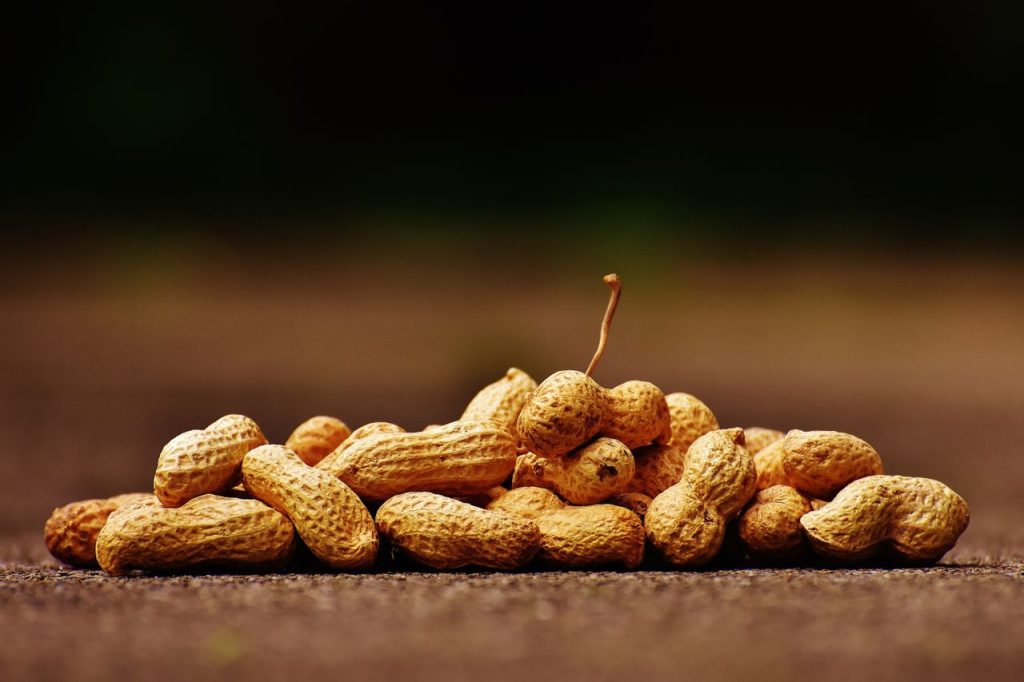
Groundnut, also known as peanut, is one of Nigeria’s most important agricultural commodities and a major crop across the country’s northern farming belt. It is an important source of food, oil and protein, while also providing raw materials for livestock feed and a wide range of processed products.
Groundnut farming has traditionally been an important source of income for smallholder farmers, but the crop also offers opportunities for commercial agriculture, processing and export. Groundnuts can be consumed roasted or boiled, processed into groundnut oil and cake, used in confectionery and food products, or incorporated into animal-feed production.
However, successful groundnut farming requires more than planting seeds and waiting for harvest. Farmers need to select suitable varieties, prepare the soil properly, manage weeds and pests, harvest carefully and, importantly, understand the market before committing resources to production.
Why Groundnut Farming Matters in Nigeria
Groundnut has a long history in Nigeria’s agricultural economy and remains particularly important in the northern part of the country. States such as Kano, Kaduna, Katsina, Jigawa, Sokoto, Zamfara, Kebbi, Bauchi, Yobe, Borno, Gombe and Niger have significant groundnut production.
The crop’s importance comes from its versatility. A farmer can sell groundnut as a raw agricultural commodity, while processors can turn it into oil, groundnut cake, flour, paste and other products. This creates opportunities at several points in the value chain.
Groundnut is also important to livestock production. After oil extraction, the remaining groundnut cake can be used as a protein-rich ingredient in animal feed. This creates a connection between groundnut prices and demand from the livestock and feed industries.
The crop also has commercial and export potential. Nigeria’s groundnut sector can benefit from improvements in productivity, quality, processing, storage and access to international markets.
For farmers, this means that groundnut should not be viewed simply as a seasonal food crop. It can be developed into a commercially attractive enterprise when production is linked to reliable markets.
How to Grow Groundnut Successfully
Successful groundnut farming begins with selecting suitable land and quality seed. Groundnut performs well in loose, well-drained soils that allow the developing pods to penetrate the soil easily. Sandy loam and other light-textured soils can be particularly suitable because they make pegging and harvesting easier.
Farmers should avoid heavily waterlogged fields because excessive moisture can interfere with root and pod development and increase the risk of disease. Soil testing is also useful because it helps farmers understand soil fertility and identify nutrient deficiencies before planting.
Seed selection is extremely important. Farmers should obtain good-quality planting material and select varieties suited to their environment and intended market. Different varieties vary in maturity period, yield potential, seed size, disease tolerance and other characteristics.
Farmers should also consider whether the groundnut will be sold mainly for consumption, processing, seed or other markets. The preferred characteristics of buyers may differ depending on the intended use.
Planting should generally be timed around the onset of reliable rainfall in rain-fed areas. Groundnut requires adequate moisture for germination and early growth, but excessive water can be damaging. Planting too early into insufficient moisture can result in poor establishment, while planting too late can expose the crop to moisture stress during important stages of development.
Proper spacing is important because the plants need sufficient space to develop their branches and pods. Farmers should follow the recommended spacing for the selected variety and production system.
Weed management is particularly important during the early stages of growth. Weeds compete with groundnut plants for water, nutrients and sunlight and can significantly reduce yields if they are not controlled at the appropriate time.
Farmers should also monitor for pests and diseases throughout the growing season. Groundnut can be affected by insect pests and fungal diseases, including problems that can reduce both yield and quality. Regular field inspection, good agricultural practices, crop rotation and appropriate crop protection measures can help reduce losses.
One issue that deserves particular attention is aflatoxin contamination. Poor harvesting, drying and storage conditions can allow certain fungi to produce aflatoxins, which can compromise food safety and reduce the market value of groundnuts. Farmers therefore need to take post-harvest handling seriously, particularly when producing for commercial or export markets.
Where and When to Grow Groundnut
Groundnut is particularly suited to many parts of Northern Nigeria because of the climate and soil conditions. The crop is widely cultivated across the Sudan and Guinea savannah zones.
Kano, Katsina, Kaduna, Jigawa, Sokoto, Zamfara, Kebbi, Bauchi, Gombe, Yobe, Borno and Niger are among the states where groundnut production is important.
The best planting period depends on the local rainfall pattern and the variety being grown. Farmers should plant when there is sufficient soil moisture to support germination and establishment while ensuring that the crop has enough time to mature before the end of the effective growing season.
Climate variability is becoming increasingly important. Unpredictable rainfall, prolonged dry periods, flooding and extreme temperatures can affect groundnut yields.
Farmers can reduce some of these risks through appropriate varieties, good soil management, timely planting, moisture conservation and access to reliable weather information.
Cost, Yield and Profitability of Groundnut Farming
Groundnut can provide attractive returns, but profitability depends on the relationship between production costs, yield and the selling price.
Major costs can include land preparation, seed, planting, fertiliser or soil amendments where required, weed and pest management, labour, harvesting, shelling, drying, transportation and storage.
Labour can become a significant cost, particularly during harvesting. Groundnut pods develop beneath the soil, so harvesting involves lifting the plants and separating the pods from the soil and plant material. Mechanisation can reduce labour requirements where appropriate machinery and services are available.
Farmers should prepare a production budget before planting. The basic profitability formula is:
Profit = Total Revenue − Total Cost
Total revenue depends on the quantity of marketable groundnut produced and the selling price.
For example, if a farmer spends ₦1 million producing and marketing a groundnut crop and eventually sells the harvest for ₦1.8 million, the estimated profit would be ₦800,000 before any additional costs not already included.
This is only an illustration. Actual costs, yields and market prices vary considerably by location, variety, farm size and season.
Farmers should also calculate their break-even price:
Break-Even Price = Total Cost ÷ Quantity Sold
Knowing the break-even price helps farmers understand the minimum price they need to achieve to recover their investment.
Yield alone should not be used to measure success. A farmer may achieve a high yield but still make a disappointing profit if input and labour costs are excessive or market prices fall. Good farm records are therefore essential.
Harvesting, Storage and Marketing
Groundnut is generally harvested when the pods have reached maturity and the crop shows appropriate signs of readiness. Harvesting too early can reduce yield and quality, while leaving the crop in the field for too long can increase losses from weather, pests and diseases.
Harvesting should be done carefully to minimise pods left behind in the soil. After lifting the plants, the pods need to be properly dried.
Drying is one of the most important stages of groundnut production. Groundnuts that are stored while they contain excessive moisture are more vulnerable to mould growth and deterioration.
Farmers should therefore dry the harvested groundnuts thoroughly before storage. They should also protect the produce from rain and contamination during drying.
Storage facilities should be dry, clean and adequately ventilated. Groundnuts should be protected from moisture, rodents, insects and other sources of contamination.
Marketing options include local traders, wholesalers, aggregators, processors, oil mills, livestock-feed manufacturers and other commercial buyers. Farmers producing larger volumes may benefit from establishing direct relationships with processors or bulk buyers.
The price of groundnut can change according to seasonal supply, demand from processors and livestock producers, transportation costs, production levels and export opportunities.
This makes market intelligence particularly important. Farmers who understand market conditions before harvest may have more options than those who simply sell to the first buyer who arrives at the farm.
Challenges and Common Mistakes
Groundnut farmers face several challenges, beginning with the rising cost of agricultural inputs and labour. Poor-quality seed can also result in weak establishment and low yields, making seed selection an important investment decision.
Another challenge is inadequate weed and pest management. Farmers who delay weed control or fail to monitor their fields may experience significant yield reductions.
Harvesting can also be labour-intensive. When labour is expensive or unavailable during the harvest period, farmers may face delays that increase field losses.
Aflatoxin contamination is another major concern. Groundnuts that are poorly dried, damaged or stored under unsuitable conditions can develop fungal contamination. This can create serious food-safety problems and reduce their suitability for certain markets.
Farmers should therefore pay attention not only to how much they produce but also to the quality of the final product.
Poor market planning is another common mistake. Groundnut prices can fluctuate, and farmers who do not understand their production costs may accept prices that leave little or no profit.
The best approach is to treat groundnut farming as a business from the beginning: calculate costs, understand the expected market, maintain quality and identify buyers before harvest.
The Future of Groundnut Farming in Nigeria
Groundnut has considerable potential within Nigeria’s agricultural economy. Its multiple uses mean that demand does not come from a single market. Food consumption, edible oil production, livestock feed and industrial processing all contribute to the crop’s commercial value.
There is also significant potential for greater value addition. Instead of exporting or selling raw groundnuts alone, Nigeria can capture more value through processing into oil, cake, flour, paste and other products.
Improved varieties, mechanisation and better harvesting technologies could also increase productivity while reducing labour requirements.
Storage and quality control will become increasingly important as Nigeria seeks to expand its agricultural exports. International buyers require consistency, quality and food-safety standards, meaning farmers and processors need to pay greater attention to post-harvest handling.
The future of groundnut farming should therefore focus on higher productivity, better quality, improved processing and stronger connections between farmers and markets.
Frequently Asked Questions
Is groundnut farming profitable in Nigeria?
Yes, groundnut farming can be profitable when farmers use quality seed, achieve good yields, control production costs and access favourable markets. Actual returns vary by location, season and market conditions.
Which states produce groundnuts in Nigeria?
Groundnut is widely cultivated across Northern Nigeria, including Kano, Katsina, Kaduna, Jigawa, Sokoto, Zamfara, Kebbi, Bauchi, Gombe, Yobe, Borno and Niger.
How long does groundnut take to mature?
The maturity period depends on the variety and growing conditions. Farmers should follow the recommended maturity period for the specific variety planted.
What is groundnut used for?
Groundnut is consumed directly and processed into products such as groundnut oil, groundnut cake, peanut butter, flour and other food products. It is also used in livestock-feed production.
What is aflatoxin and why is it important?
Aflatoxins are harmful substances produced by certain fungi that can contaminate groundnuts under favourable conditions, particularly when produce is poorly dried or stored. Proper harvesting, drying and storage are essential for reducing the risk.
How can groundnut farmers increase profitability?
Farmers can improve profitability through quality seed, timely planting, good weed and pest management, efficient harvesting, proper drying and storage, reduced post-harvest losses and stronger connections with commercial buyers.
Commodity.ng Insight
Groundnut demonstrates the difference between producing a commodity and creating value from a commodity.
A farmer who grows groundnut is participating in only the first stage of a much larger economic chain. That groundnut can become cooking oil, animal feed, flour, peanut butter or other products. Each stage creates a different market and a different opportunity to capture value.
This is why market information matters.
Before planting, farmers need to understand the expected cost of production. During production, they need to monitor weather and crop conditions. At harvest, they need to know the prevailing market price, the quality requirements of buyers and whether storing or processing the crop could produce a better return.
At Commodity.ng, our goal is to make this kind of information easier to access.
By connecting commodity prices with agricultural knowledge and market intelligence, Commodity.ng aims to help farmers, traders, processors and investors make better decisions across Nigeria’s agricultural value chains.
For groundnut farmers, the opportunity is not simply to harvest more pods.
It is to produce efficiently, protect quality, reduce losses, understand the market and capture more value from every hectare.
Discover more from Commodity Nigeria
Subscribe to get the latest posts sent to your email.